
ESA's Hera probe uses 'superhuman' vision to inspect NASA's asteroid crash site

Summary
Around four years ago, humanity intentionally hit an asteroid. The Double Asteroid Redirection Test (DART) was by pretty much all measures a resounding success when it struck the asteroid moonlet Dimorphos going more than 22,000 kilometers per hour (13,700 miles per hour). However, we still don't know just how much of a success it actually was—DART was a one-way mission with no real way to track the results of the impact close up.
Description from Phys.
Who is covering this
-
ESA's Hera probe uses 'superhuman' vision to inspect NASA's asteroid crash site
Around four years ago, humanity intentionally hit an asteroid. The Double Asteroid Redirection Test (DART) was by pretty much all measures a resounding success when it struck the asteroid moonlet Dimorphos going more than 22,000 kilometers per hour (13,700 miles per hour)....
-
ESA’s Hera Reaches NASA’s DART Crash Site At Asteroid Dimorphos; Know 10 Mysteries It Will Try To Solve - Mashable India
ESA’s Hera Reaches NASA’s DART Crash Site At Asteroid Dimorphos; Know 10 Mysteries It Will Try To Solve Mashable India Hera surveying asteroids with superhuman vision ESA NASA smashed into an asteroid. Now Hera has revealed a strange new world Science Daily DART not only...


Related stories
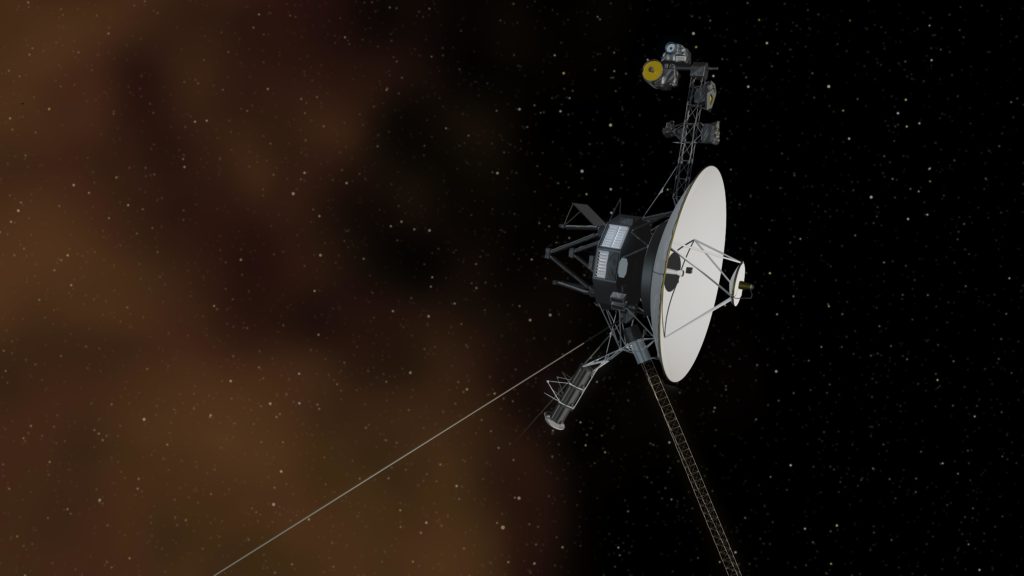
Voyager 1 is now a light-day from Earth. Here's what to know about NASA's longest-running mission
A NASA space telescope plunged back to Earth after a mission that lasted 11 times longer than planned

NASA Is Seeking Its Next Class of Astronauts

The Ozone Hole Is the Largest It’s Been in a Decade. The Reason May Surprise You

NASA unveils mysterious X-70 experimental aircraft using AI-generated image

Comments
Comments need JavaScript.