
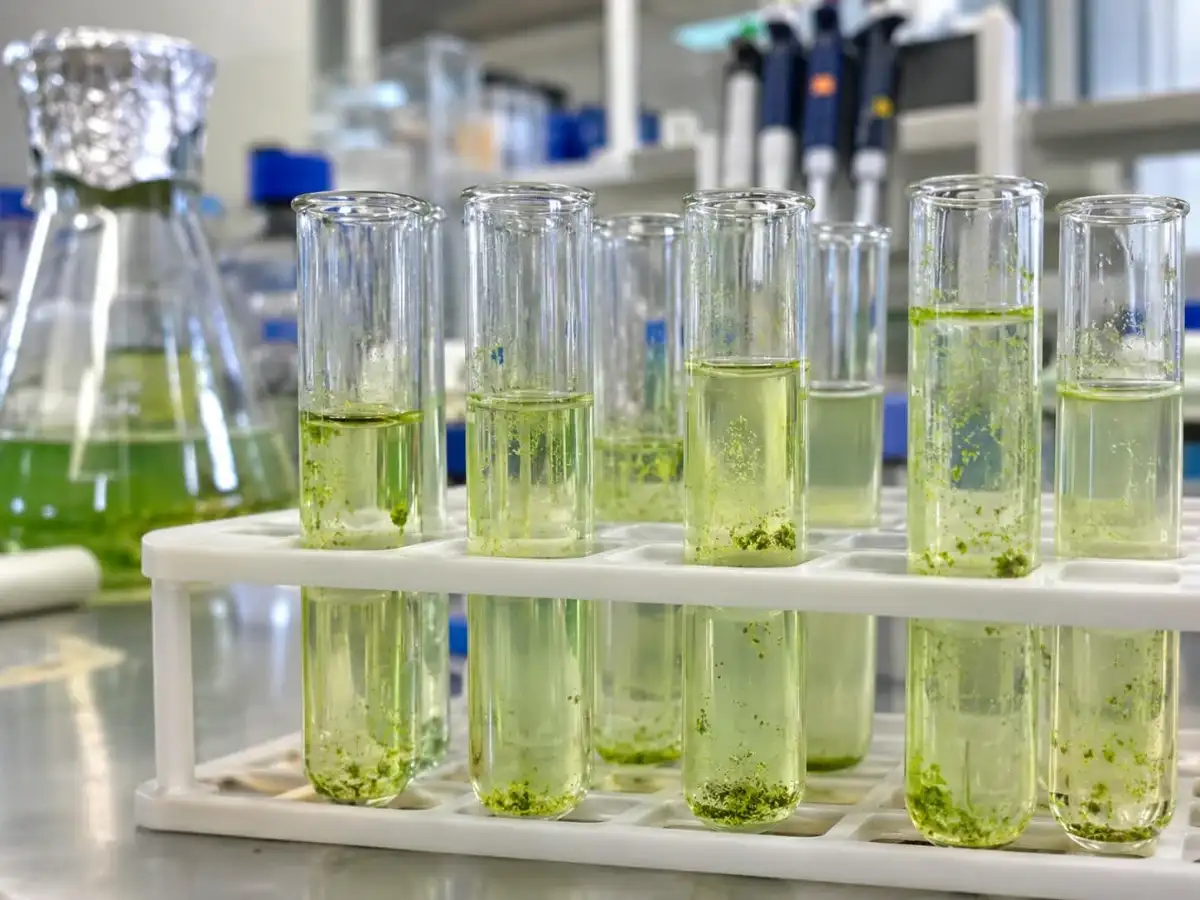
MIT scientists kept growing ocean microbes that clung to test tubes; the sticky share rose from 6% to 85%, revealing a hidden way they release carbon into water
Summary
Prochlorococcus, a small but abundant marine microbe, was thought to exist mainly as solitary cells. New research findings reveal that it can form biofilms and attach to particles. This discovery has implications for understanding the biological carbon pump in the oceans. While these microbes can switch between free-floating and attached forms, they contribute significantly to carbon transport. Scientists are further investigating the role of attached Prochlorococcus in marine ecosystems.
Description from Times of India.
Who is covering this
-
MIT scientists kept growing ocean microbes that clung to test tubes; the sticky share rose from 6% to 85%, revealing a hidden way they release carbon into water
Prochlorococcus, a small but abundant marine microbe, was thought to exist mainly as solitary cells. New research findings reveal that it can form biofilms and attach to particles. This discovery has implications for understanding the biological carbon pump in the oceans....

Comments
Comments need JavaScript.