
Misinfo Radar
Signals worth a closer look: weak sources, fact-checks, state media, copy-paste campaigns.
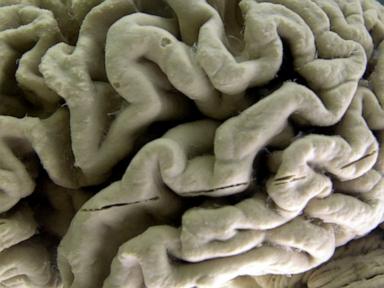
Preliminary study finds a clue in the quest to help diagnose CTE in the living
Left 50%50%Centre 50%50%
Attention level: Low (2 sources)
- Headline mismatch 2 of 2 confidence: low
Articles whose headline says something its own description does not.
- Chron: Preliminary study finds a clue in the quest to help diagnose CTE in the living
Scientists stumbled onto a hint that measuring a toxic protein tied to Alzheimer’s disease just might one day be useful in diagnosing a different brain disease in football players and others who have… - ABC News (US): Preliminary study finds a clue in the quest to help diagnose CTE in the living
Scientists stumbled onto a hint that measuring a toxic protein tied to Alzheimer’s disease just might one day be useful in diagnosing a different brain disease in football players and others who have…
- Chron: Preliminary study finds a clue in the quest to help diagnose CTE in the living
Every outlet on this story
| Outlet | Lean | Reliability | Country | Articles |
|---|---|---|---|---|
| Chron | Center | 65 Mostly factual | US | 1 |
| ABC News (US) | Leans left | 80 High | US | 1 |
How this was worked out
The radar does not decide what is true. It lists signals that deserve a closer look, each with its evidence: who covers the story and how they are rated, matching fact-checks, state media, copy-paste campaigns, and headlines that are sensational or do not match their own description.
How INDB scores stories · Data: stories INDB grouped from the outlets on the sources page.