INDBInternet News Database 2.5 Updated just now · 282 sources Show or hide images Light or dark

Results for “Telescope Starwatch”

Science
1 source

Who is covering this

Google NewsCenter
Truth score 41
Centre 100%100%
Google NewsCenter

What's that bright 'star' in the early morning sky? It's not a star at all!

What's that bright 'star' in the early morning sky? It's not a star at all! Space This Week's Sky at a Glance, November 6 – 15 Sky & Telescope Starwatch: Catch the striking trifecta of Venus, the moon and Spica at break of dawn The...

Lean: Center Fact-focusedFactuality: HighCountry: United StatesFunding: Corporate
Full coverage
Coverage breakdown
Funding
Corporate100%
Countries
United States100%
Media ownership
Google News100%
Avg reliability75
Low-credibility share0%
Fact / opinion1/0
State media0%
More analysis
Truth score: 41 (Limited corroboration) Propaganda risk: 0 Trending: Low Sources: 1 Reliability: 75 Bias severity: 0 Risk: 0Sentiment: 0Sensationalism: 10 Amplification: 0

How we score

Like
Left 25%25%Centre 50%50%Right 25%25%
The Globe and MailCenter

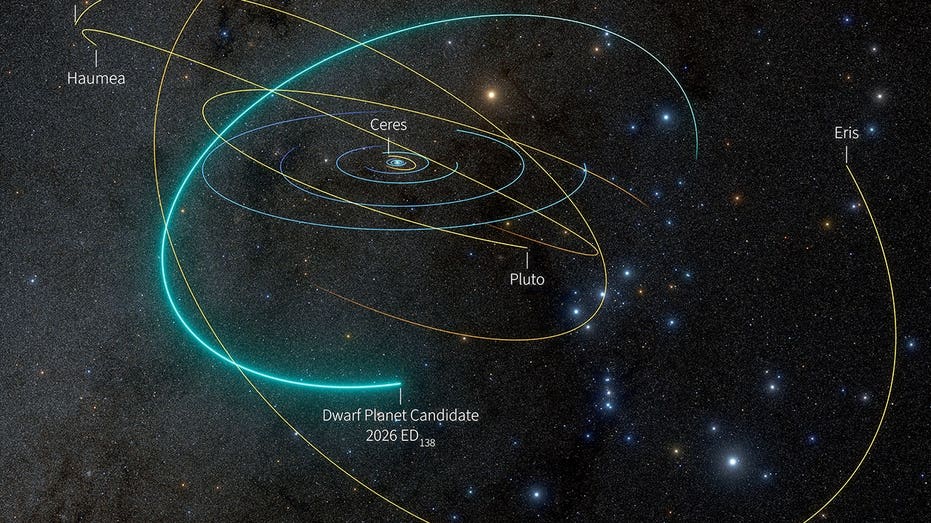
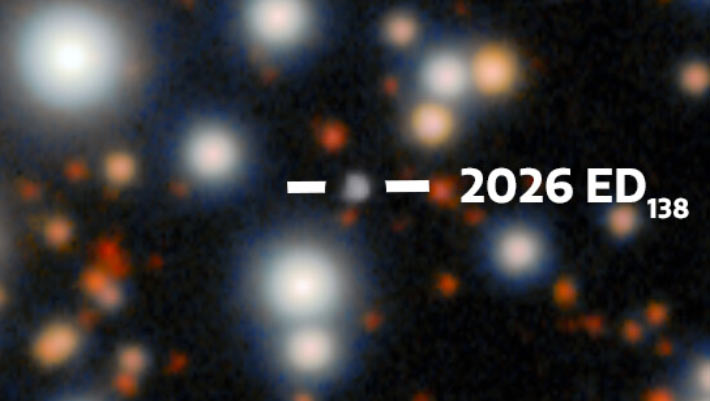
Telescope spots possible new dwarf planet orbiting beyond Pluto

Lying beyond Pluto, 2026 ED138 could be as large as 1,500 kilometers in diameter. The Vera C. Covered by 9 outlets: 2 lean left, 4 are centre, 1 lean right, 2 are not rated.

Lean: Center Fact-focusedFactuality: HighCountry: CanadaFunding: CorporateOwner: Woodbridge Company
+ 7 · Full coverage
Coverage breakdown
Funding
Corporate82%
State-funded9%
Not recorded9%
Countries
United States82%
Canada9%
Russia9%
Media ownership
Independent27%
Woodbridge Company9%
Condé Nast9%
Russian Government9%
Future US9%
Avg reliability67
Low-credibility share12%
Fact / opinion12/0
State media9%
More analysis
Truth score: 81 (Strongly corroborated) Propaganda risk: 0 Trending: Low Sources: 11 Reliability: 67 Bias severity: 0 Risk: 12Sentiment: -8Sensationalism: 2 Amplification: 0

How we score

Like
Science
1 source

Who is covering this

Ars TechnicaLeans left
Truth score 43
Left 100%100%
Ars TechnicaLeans left

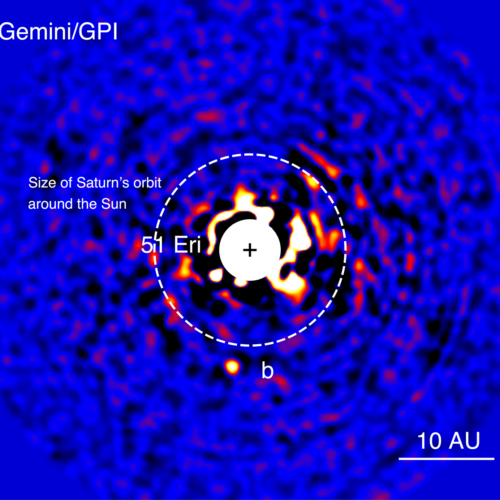
Software squeezes more data out of Webb Telescope for imaging exoplanets

Software optimizes a physical model of the telescope to reduce noise.

Lean: Leans left Fact-focusedFactuality: HighCountry: United StatesFunding: CorporateOwner: Condé Nast
Full coverage
Coverage breakdown
Funding
Corporate100%
Countries
United States100%
Media ownership
Condé Nast100%
Avg reliability80
Low-credibility share0%
Fact / opinion1/0
State media0%
More analysis
Truth score: 43 (Limited corroboration) Propaganda risk: 0 Trending: Low Sources: 1 Reliability: 80 Bias severity: 0 Risk: 0Sentiment: 0Sensationalism: 0 Amplification: 0

How we score

Like
Science
1 source

Who is covering this

The HillCenter
Truth score 42
Centre 100%100%
The HillCenter

NASA telescope reenters Earth’s atmosphere

Experts say a handful of pieces made of denser-than-lead tungsten and some mirror parts could survive reentry.

Lean: Center Fact-focusedFactuality: HighCountry: United StatesFunding: CorporateOwner: Nexstar Media Group
Full coverage
Coverage breakdown
Funding
Corporate100%
Countries
United States100%
Media ownership
Nexstar Media Group100%
Avg reliability78
Low-credibility share0%
Fact / opinion1/0
State media0%
More analysis
Truth score: 42 (Limited corroboration) Propaganda risk: 0 Trending: Low Sources: 1 Reliability: 78 Bias severity: 0 Risk: 0Sentiment: 0Sensationalism: 0 Amplification: 0

How we score

Like
Left 29%29%Centre 56%56%Right 15%15%
PBS NewsHourLeans left

A NASA space telescope plunged back to Earth after a mission that lasted 11 times longer than planned

The Swift Observatory's demise came less than three months after a long-shot rescue mission failed. The Swift Observatory is barely clinging to space after a failed rescue effort left it tottering lower and lower. Covered by 41 outlets:...

Lean: Leans left Fact-focusedFactuality: Very highCountry: United StatesFunding: Public broadcasterOwner: PBS (Nonprofit)
+ 79 · Full coverage
Coverage breakdown
Funding
Corporate67%
Private16%
Public broadcaster7%
Not recorded7%
Nonprofit2%
Countries
United States64%
United Kingdom11%
India9%
Canada7%
Australia2%
Media ownership
Independent52%
BuzzFeed Inc.4%
Google News4%
Woodbridge Company4%
The Hindu Group4%
Avg reliability72
Low-credibility share2%
Fact / opinion84/0
State media0%
More analysis
Truth score: 90 (Strongly corroborated) Propaganda risk: 0 Trending: Low Sources: 45 Reliability: 72 Bias severity: 33 Risk: 2Sentiment: -31Sensationalism: 1 Amplification: 0

How we score

Like
Science
1 source

Who is covering this

LiveCenter
Truth score 41
Centre 100%100%
LiveCenter

Physicists sank a telescope 1.5 miles under the sea to put Einstein's relativity to the test

A half-built neutrino telescope on the floor of the Mediterranean Sea searched for cracks in one of physics' most basic invariances. It came up empty, but its limits rival those of detectors many times its size.

Lean: Center Fact-focusedFactuality: HighCountry: United StatesFunding: CorporateOwner: Future US
Full coverage
Coverage breakdown
Funding
Corporate100%
Countries
United States100%
Media ownership
Future US100%
Avg reliability75
Low-credibility share0%
Fact / opinion1/0
State media0%
More analysis
Truth score: 41 (Limited corroboration) Propaganda risk: 0 Trending: Low Sources: 1 Reliability: 75 Bias severity: 0 Risk: 0Sentiment: 0Sensationalism: 0 Amplification: 0

How we score

Like
Science
1 source

Who is covering this

LiveCenter
Truth score 41
Centre 100%100%
LiveCenter

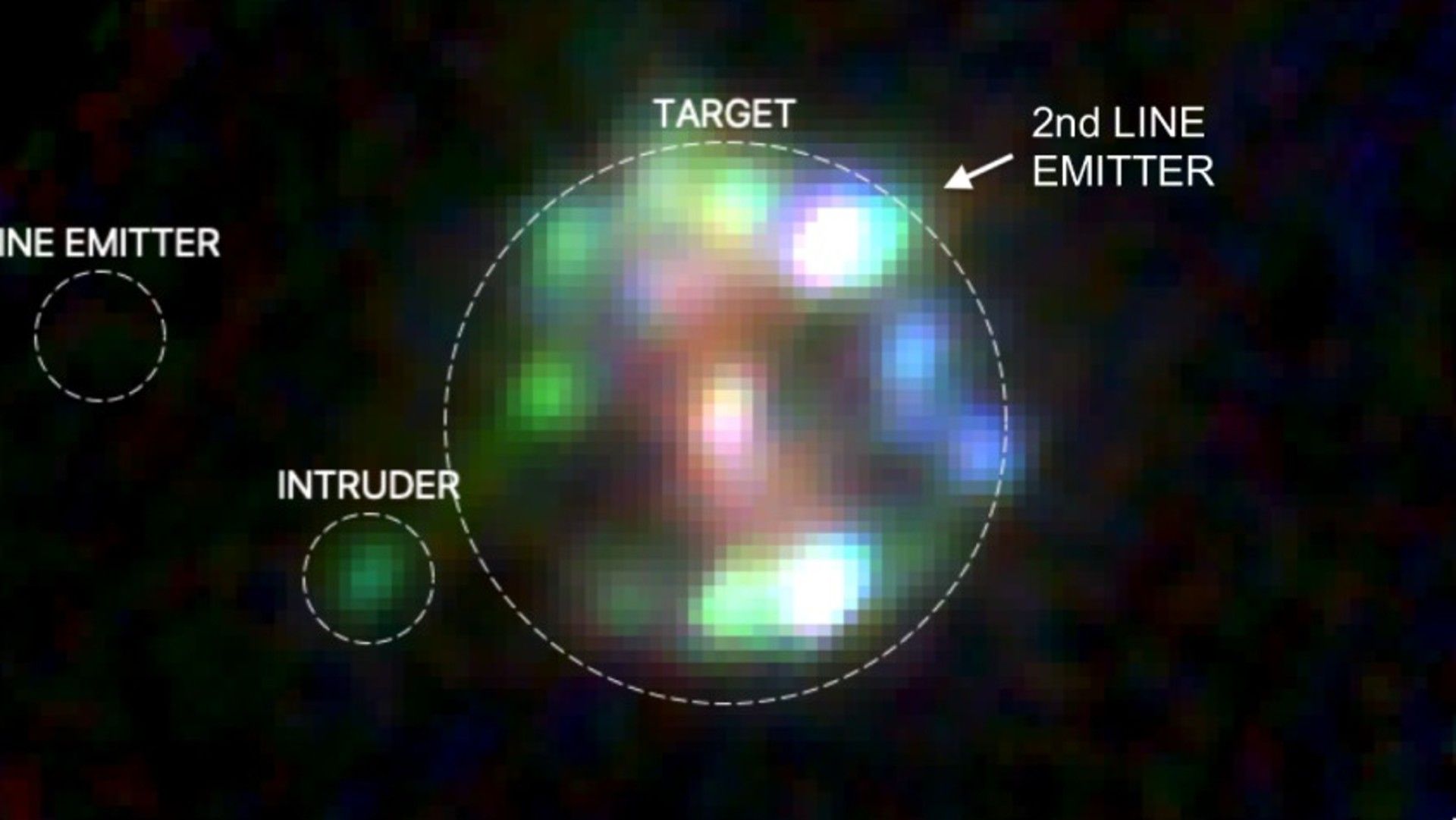
James Webb telescope discovers rare ring galaxy and 'intruder' 2 billion years after the Big Bang

Astronomers using the James Webb Space Telescope have observed a galaxy with a ring of newborn stars as it appeared 2.1 billion years after the Big Bang — hinting that the early universe may have been more chaotic than once thought.

Lean: Center Fact-focusedFactuality: HighCountry: United StatesFunding: CorporateOwner: Future US
Full coverage
Coverage breakdown
Funding
Corporate100%
Countries
United States100%
Media ownership
Future US100%
Avg reliability75
Low-credibility share0%
Fact / opinion1/0
State media0%
More analysis
Truth score: 41 (Limited corroboration) Propaganda risk: 0 Trending: Low Sources: 1 Reliability: 75 Bias severity: 0 Risk: 0Sentiment: 0Sensationalism: 0 Amplification: 0

How we score

Like
Business
1 source

Who is covering this

NewsCenter
Truth score 38
Centre 100%100%
NewsCenter

From Devanahalli to Nasa: Bengaluru girl building telescope to study dust in space

From Devanahalli to Nasa: Bengaluru girl building telescope to study dust in space The Indian Express

Lean: Center Fact-focusedFactuality: Mostly factualCountry: IndiaFunding: CorporateOwner: Independent
Full coverage
Coverage breakdown
Funding
Corporate100%
Countries
India100%
Media ownership
Independent100%
Avg reliability65
Low-credibility share0%
Fact / opinion1/0
State media0%
More analysis
Truth score: 38 (Weakly supported) Propaganda risk: 0 Trending: Low Sources: 1 Reliability: 65 Bias severity: 0 Risk: 0Sentiment: 0Sensationalism: 0 Amplification: 0

How we score

Like
Science
1 source

Who is covering this

PhysCenter
Truth score 38
Centre 100%100%
PhysCenter

NASA's new UV space telescope will launch in 2031

Most of us could spend our entire lives looking at the night sky and see very few changes. The moon becomes more or less illuminated, the planets drift placidly through the sky, satellites and the ISS intrude for a few moments at a...

Lean: Center Fact-focusedFactuality: Mostly factualCountry: United StatesFunding: CorporateOwner: Independent
Full coverage
Coverage breakdown
Funding
Corporate100%
Countries
United States100%
Media ownership
Independent100%
Avg reliability65
Low-credibility share0%
Fact / opinion1/0
State media0%
More analysis
Truth score: 38 (Weakly supported) Propaganda risk: 0 Trending: Low Sources: 1 Reliability: 65 Bias severity: 0 Risk: 0Sentiment: 0Sensationalism: 0 Amplification: 0

How we score

Like
Science
1 source

Who is covering this

LiveCenter
Truth score 41
Centre 100%100%
LiveCenter

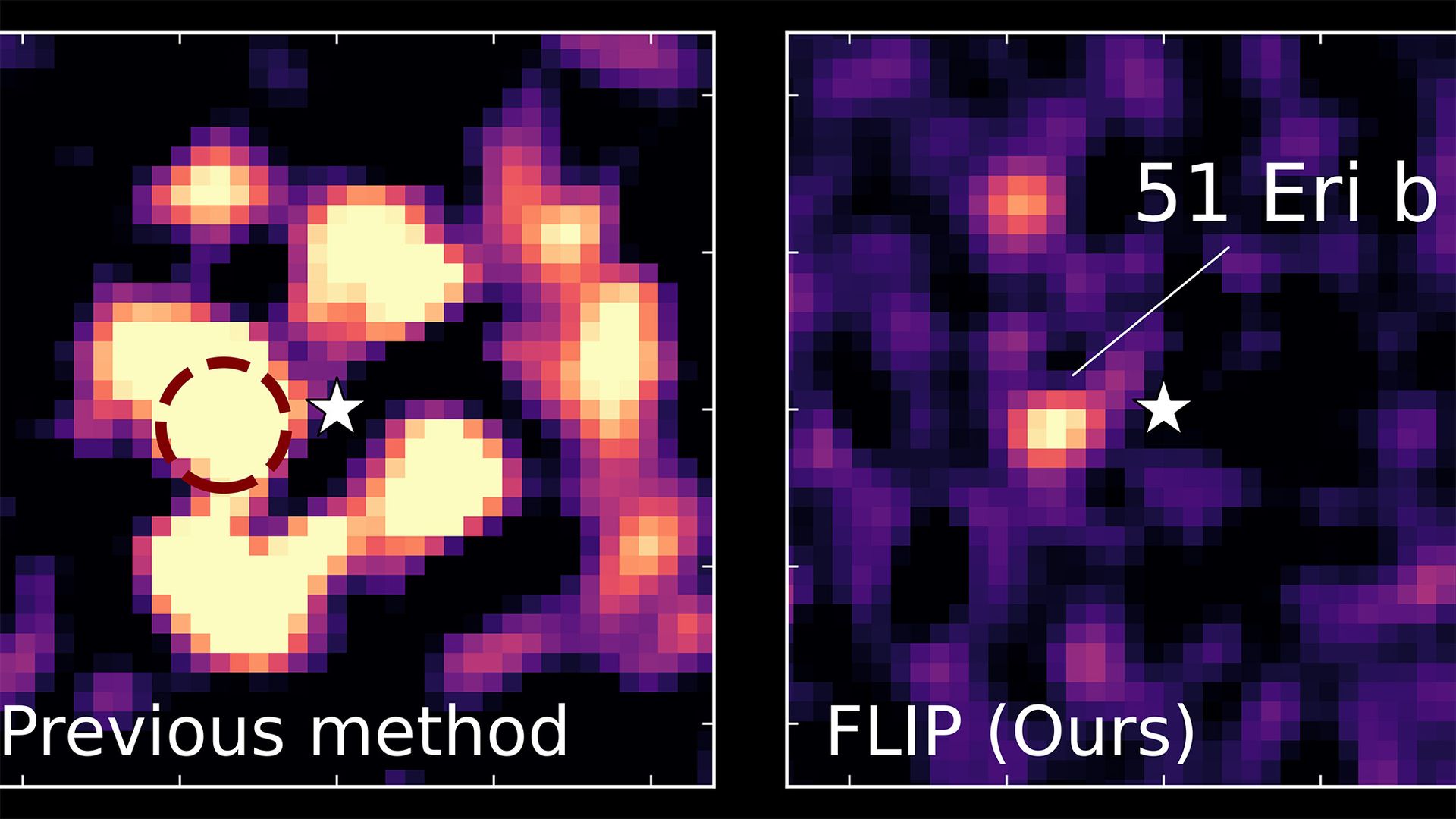
Scientists removed the glare from a James Webb telescope image — and unmasked a hidden planet

Using machine learning, astronomers developed a new way of looking at James Webb telescope data that allows far-off planets to emerge from their star's glare.

Lean: Center Fact-focusedFactuality: HighCountry: United StatesFunding: CorporateOwner: Future US
Full coverage
Coverage breakdown
Funding
Corporate100%
Countries
United States100%
Media ownership
Future US100%
Avg reliability75
Low-credibility share0%
Fact / opinion1/0
State media0%
More analysis
Truth score: 41 (Limited corroboration) Propaganda risk: 0 Trending: Low Sources: 1 Reliability: 75 Bias severity: 0 Risk: 0Sentiment: 0Sensationalism: 0 Amplification: 0

How we score

Like
Science
1 source

Who is covering this

NASACenter
Truth score 38
Centre 100%100%
NASACenter

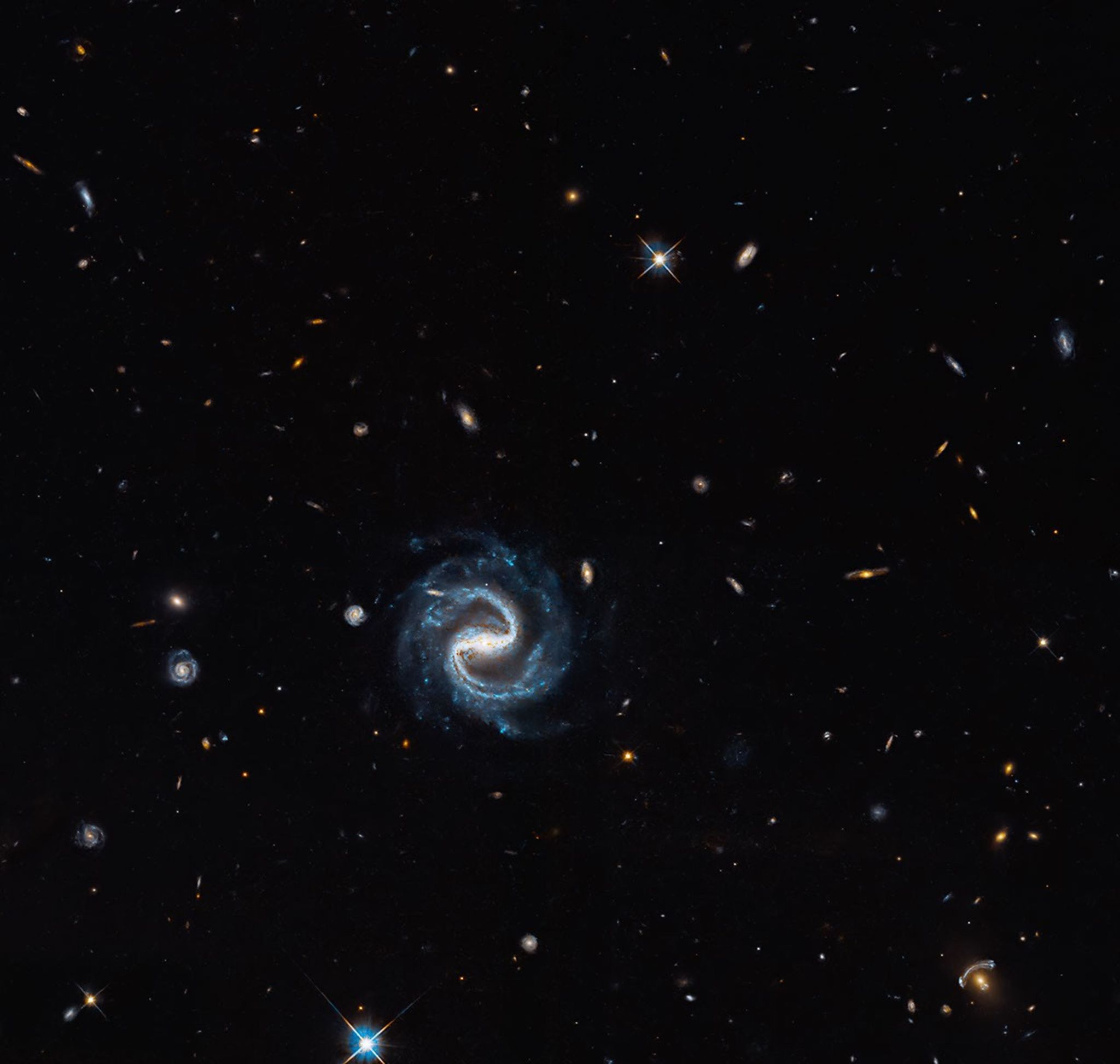
NASA’s Hubble Marks Way for Roman Space Telescope

A sweeping barred galaxy takes center stage in this Oct. 22, 2026, image, but the gravitational lensing at bottom right is the real target. This observation is one of many gravitational lensing images taken by NASA’s Hubble Space...

Lean: Center Fact-focusedFactuality: Mostly factualCountry: United StatesFunding: CorporateOwner: Independent
Full coverage
Coverage breakdown
Funding
Corporate100%
Countries
United States100%
Media ownership
Independent100%
Avg reliability65
Low-credibility share0%
Fact / opinion1/0
State media0%
More analysis
Truth score: 38 (Weakly supported) Propaganda risk: 0 Trending: Low Sources: 1 Reliability: 65 Bias severity: 0 Risk: 0Sentiment: 0Sensationalism: 0 Amplification: 0

How we score

Like
Science
3 sources
Truth score 56
Centre 100%100%
The EconomistCenter

Astronomers are mystified by little red dots in the sky

So far, observations by instruments including the James Webb Space Telescope have revealed the presence of surprisingly massive black holes in the early universe. Covered by 3 outlets: 3 are centre.

Lean: Center Fact-focusedFactuality: Very highCountry: United KingdomFunding: PrivateOwner: Economist Group
  • Phys Webb Space Telescope's little red dots could hold key to first black holes

    Johns Hopkins researchers searching the expanse of the universe for the existence of the first black holes are zeroing in on little red dots that may hold the key to the theoretical phenomenon.

    Lean: Center Fact-focusedFactuality: Mostly factualCountry: United StatesFunding: CorporateOwner: Independent
  • News Astronomers are mystified by little red dots in the sky - The Economist

    Astronomers are mystified by little red dots in the sky The Economist Webb Space Telescope's little red dots could hold key to first black holes Johns Hopkins University Could primordial black holes hold the key to...

    Lean: Center Fact-focusedFactuality: Mostly factualCountry: IndiaFunding: CorporateOwner: Independent
+ 1 · Full coverage
Coverage breakdown
Funding
Corporate67%
Private33%
Countries
United States33%
United Kingdom33%
India33%
Media ownership
Independent67%
Economist Group33%
Avg reliability73
Low-credibility share0%
Fact / opinion4/0
State media0%
More analysis
Truth score: 56 (Limited corroboration) Propaganda risk: 0 Trending: Low Sources: 3 Reliability: 73 Bias severity: 0 Risk: 0Sentiment: 0Sensationalism: 0 Amplification: 0

How we score

Like
Science
1 source

Who is covering this

PhysCenter
Truth score 38
Centre 100%100%
PhysCenter

JWST tracks more than 100 magnified stellar events in the Dragon galaxy

Using the James Webb Space Telescope (JWST), a team of astronomers identified 104 magnified stellar events in a galaxy known as the Dragon, located around 6.5 billion light-years away. This discovery more than doubles the previous...

Lean: Center Fact-focusedFactuality: Mostly factualCountry: United StatesFunding: CorporateOwner: Independent
Full coverage
Coverage breakdown
Funding
Corporate100%
Countries
United States100%
Media ownership
Independent100%
Avg reliability65
Low-credibility share0%
Fact / opinion1/0
State media0%
More analysis
Truth score: 38 (Weakly supported) Propaganda risk: 0 Trending: Low Sources: 1 Reliability: 65 Bias severity: 0 Risk: 0Sentiment: 0Sensationalism: 8 Amplification: 0

How we score

Like
Science
1 source

Who is covering this

PhysCenter
Truth score 38
Centre 100%100%
PhysCenter

A cosmic 'leaf blower': Light-propelled winds help explain early universe's bright galaxies

When astronomers looked at photos of the early universe taken by the James Webb Space Telescope, they found something odd: an overabundance of bright galaxies. Based on what they knew about the early universe, such galaxies should have...

Lean: Center Fact-focusedFactuality: Mostly factualCountry: United StatesFunding: CorporateOwner: Independent
Full coverage
Coverage breakdown
Funding
Corporate100%
Countries
United States100%
Media ownership
Independent100%
Avg reliability65
Low-credibility share0%
Fact / opinion1/0
State media0%
More analysis
Truth score: 38 (Weakly supported) Propaganda risk: 0 Trending: Low Sources: 1 Reliability: 65 Bias severity: 0 Risk: 0Sentiment: 0Sensationalism: 0 Amplification: 0

How we score

Like
Science
1 source

Who is covering this

PhysCenter
Truth score 38
Centre 100%100%
PhysCenter

Giant planet emerges from two-year-old JWST data thanks to glare-removal technique

Even the world's most powerful telescopes have their blind spots. Although NASA's James Webb Space Telescope (JWST) can peer billions of years into the past, it still struggles to photograph planets orbiting nearby stars. Stars shine...

Lean: Center Fact-focusedFactuality: Mostly factualCountry: United StatesFunding: CorporateOwner: Independent
Full coverage
Coverage breakdown
Funding
Corporate100%
Countries
United States100%
Media ownership
Independent100%
Avg reliability65
Low-credibility share0%
Fact / opinion1/0
State media0%
More analysis
Truth score: 38 (Weakly supported) Propaganda risk: 0 Trending: Low Sources: 1 Reliability: 65 Bias severity: 0 Risk: 0Sentiment: 0Sensationalism: 8 Amplification: 0

How we score

Like
Science
1 source

Who is covering this

PhysCenter
Truth score 38
Centre 100%100%
PhysCenter

A tiny shift exposes a cold brown dwarf masquerading as an early galaxy

A faint red object spotted by the James Webb Space Telescope originally appeared to offer a possible glimpse of the universe's first galaxies. But images taken about 3½ years apart revealed a giveaway: The object, nicknamed Capotauro, had moved.

Lean: Center Fact-focusedFactuality: Mostly factualCountry: United StatesFunding: CorporateOwner: Independent
Full coverage
Coverage breakdown
Funding
Corporate100%
Countries
United States100%
Media ownership
Independent100%
Avg reliability65
Low-credibility share0%
Fact / opinion1/0
State media0%
More analysis
Truth score: 38 (Weakly supported) Propaganda risk: 0 Trending: Low Sources: 1 Reliability: 65 Bias severity: 0 Risk: 0Sentiment: 0Sensationalism: 0 Amplification: 0

How we score

Like
Science
1 source

Who is covering this

PhysCenter
Truth score 38
Centre 100%100%
PhysCenter

Leviathan's sprawling stars challenge idea that dusty giants become compact galaxies

Astronomers using the James Webb Space Telescope (JWST) have confirmed a massive, dust-rich galaxy called Leviathan in the early universe. Seen when the universe was roughly 1.5 billion years old, the galaxy has its stars spread out...

Lean: Center Fact-focusedFactuality: Mostly factualCountry: United StatesFunding: CorporateOwner: Independent
Full coverage
Coverage breakdown
Funding
Corporate100%
Countries
United States100%
Media ownership
Independent100%
Avg reliability65
Low-credibility share0%
Fact / opinion1/0
State media0%
More analysis
Truth score: 38 (Weakly supported) Propaganda risk: 0 Trending: Low Sources: 1 Reliability: 65 Bias severity: 0 Risk: 0Sentiment: 0Sensationalism: 0 Amplification: 0

How we score

Like
Science
1 source

Who is covering this

PhysCenter
Truth score 38
Centre 100%100%
PhysCenter

JWST reveals a distant galaxy that may let most of its ionizing radiation escape

Astronomers using the James Webb Space Telescope (JWST) have found evidence that a distant, exceptionally blue galaxy may allow most of its ionizing radiation to escape into space. Known as EBG-1, the gravitationally lensed galaxy is...

Lean: Center Fact-focusedFactuality: Mostly factualCountry: United StatesFunding: CorporateOwner: Independent
Full coverage
Coverage breakdown
Funding
Corporate100%
Countries
United States100%
Media ownership
Independent100%
Avg reliability65
Low-credibility share0%
Fact / opinion1/0
State media0%
More analysis
Truth score: 38 (Weakly supported) Propaganda risk: 0 Trending: Low Sources: 1 Reliability: 65 Bias severity: 0 Risk: 0Sentiment: 0Sensationalism: 8 Amplification: 0

How we score

Like
Centre 100%100%
NASACenter

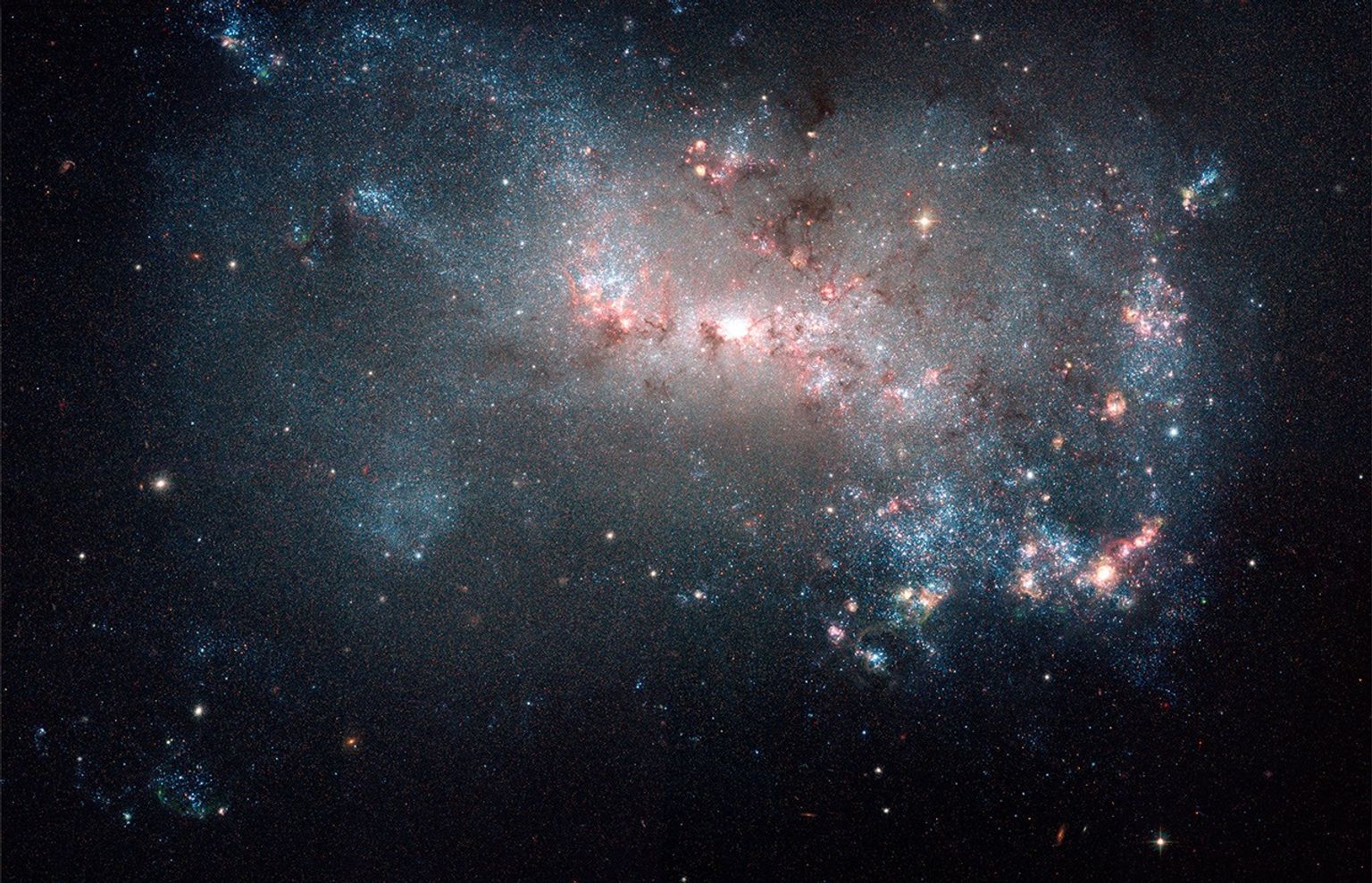
NASA’s Hubble Uncovers Case of Missing Oxygen in Nearby Dwarf Galaxies

NASA’s Hubble studied 37 nearby dwarf galaxies and found that much of the oxygen they expected to see is missing.

Lean: Center Fact-focusedFactuality: Mostly factualCountry: United StatesFunding: CorporateOwner: Independent
+ 1 · Full coverage
Coverage breakdown
Funding
Corporate100%
Countries
United States100%
Media ownership
Independent100%
Avg reliability65
Low-credibility share0%
Fact / opinion3/0
State media0%
More analysis
Truth score: 48 (Limited corroboration) Propaganda risk: 0 Trending: Low Sources: 2 Reliability: 65 Bias severity: 0 Risk: 0Sentiment: 0Sensationalism: 0 Amplification: 0

How we score

Like
No rated outlets yet
Breaking Science NewsNo political lean

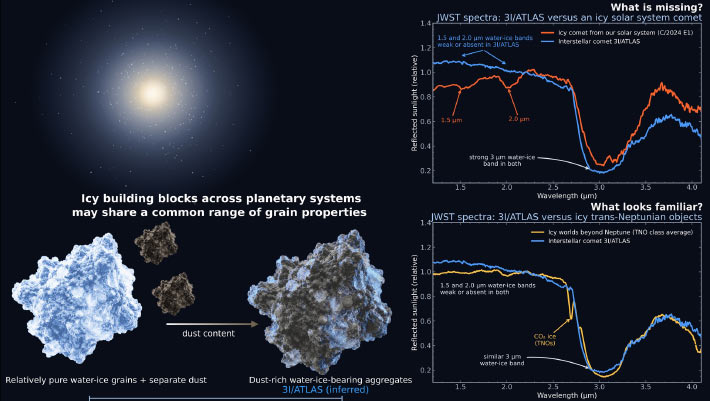
Webb Finds Dust-Rich Water Ice in Interstellar Comet 3I/ATLAS

Astronomers using the NASA/ESA/CSA James Webb Space Telescope have found that the water ice in the interstellar comet 3I/ATLAS is mixed with dark, rocky material in tiny grains.

Lean: No political lean Fact-focusedCountry: United StatesFunding: CorporateOwner: Independent
Full coverage
Coverage breakdown
Funding
Corporate100%
Countries
United States100%
Media ownership
Independent100%
Avg reliability-
Low-credibility share0%
Fact / opinion2/0
State media0%
More analysis
Truth score: 44 (Limited corroboration) Propaganda risk: 0 Trending: Low Sources: 2 Reliability: Not rated Bias severity: 0 Risk: 0Sentiment: 0Sensationalism: 8 Amplification: 0

How we score

Like
Science
1 source
Truth score 34
No rated outlets yet
Breaking Science NewsNo political lean

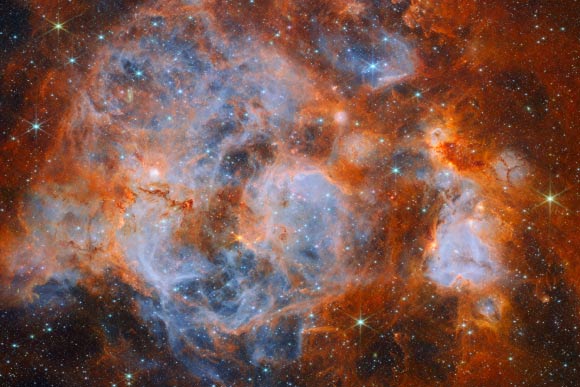
Webb Observes Turbulent Stellar Nursery

Astronomers using the NASA/ESA/CSA James Webb Space Telescope have captured a spectacular new view of N159, one of the richest HII complexes in the Large Magellanic Cloud.

Lean: No political lean Fact-focusedCountry: United StatesFunding: CorporateOwner: Independent
Full coverage
Coverage breakdown
Funding
Corporate100%
Countries
United States100%
Media ownership
Independent100%
Avg reliability-
Low-credibility share0%
Fact / opinion1/0
State media0%
More analysis
Truth score: 34 (Weakly supported) Propaganda risk: 0 Trending: Low Sources: 1 Reliability: Not rated Bias severity: 0 Risk: 0Sentiment: 0Sensationalism: 0 Amplification: 0

How we score

Like
Science
1 source
Truth score 34
No rated outlets yet
Breaking Science NewsNo political lean

Lava World TOI-561b May Have Reflective, Cloudy Atmosphere

TOI-561b, a rocky exoplanet so close to its parent star that its year lasts just over 10 hours, may be wrapped in a thick, reflective atmosphere, according to a new analysis of data gathered by the NASA/ESA/CSA James Webb Space Telescope.

Lean: No political lean Fact-focusedCountry: United StatesFunding: CorporateOwner: Independent
Full coverage
Coverage breakdown
Funding
Corporate100%
Countries
United States100%
Media ownership
Independent100%
Avg reliability-
Low-credibility share0%
Fact / opinion1/0
State media0%
More analysis
Truth score: 34 (Weakly supported) Propaganda risk: 0 Trending: Low Sources: 1 Reliability: Not rated Bias severity: 0 Risk: 0Sentiment: 0Sensationalism: 0 Amplification: 0

How we score

Like
Science
1 source
Truth score 34
No rated outlets yet
Breaking Science NewsNo political lean

Milky Way’s Central Black Hole is Surrounded by Metal-Rich Gas, Webb Reveals

The enrichment in metals (any element heavier than hydrogen and helium, including carbon, oxygen, iron and gold) likely came from generations of exploding stars, according to new observations from the NASA/ESA/CSA James Webb Space Telescope.

Lean: No political lean Fact-focusedCountry: United StatesFunding: CorporateOwner: Independent
Full coverage
Coverage breakdown
Funding
Corporate100%
Countries
United States100%
Media ownership
Independent100%
Avg reliability-
Low-credibility share0%
Fact / opinion1/0
State media0%
More analysis
Truth score: 34 (Weakly supported) Propaganda risk: 0 Trending: Low Sources: 1 Reliability: Not rated Bias severity: 0 Risk: 0Sentiment: 0Sensationalism: 0 Amplification: 0

How we score

Like
Science
2 sources

Who is covering this

NASACenterPhysCenter
Truth score 48
Centre 100%100%
NASACenter

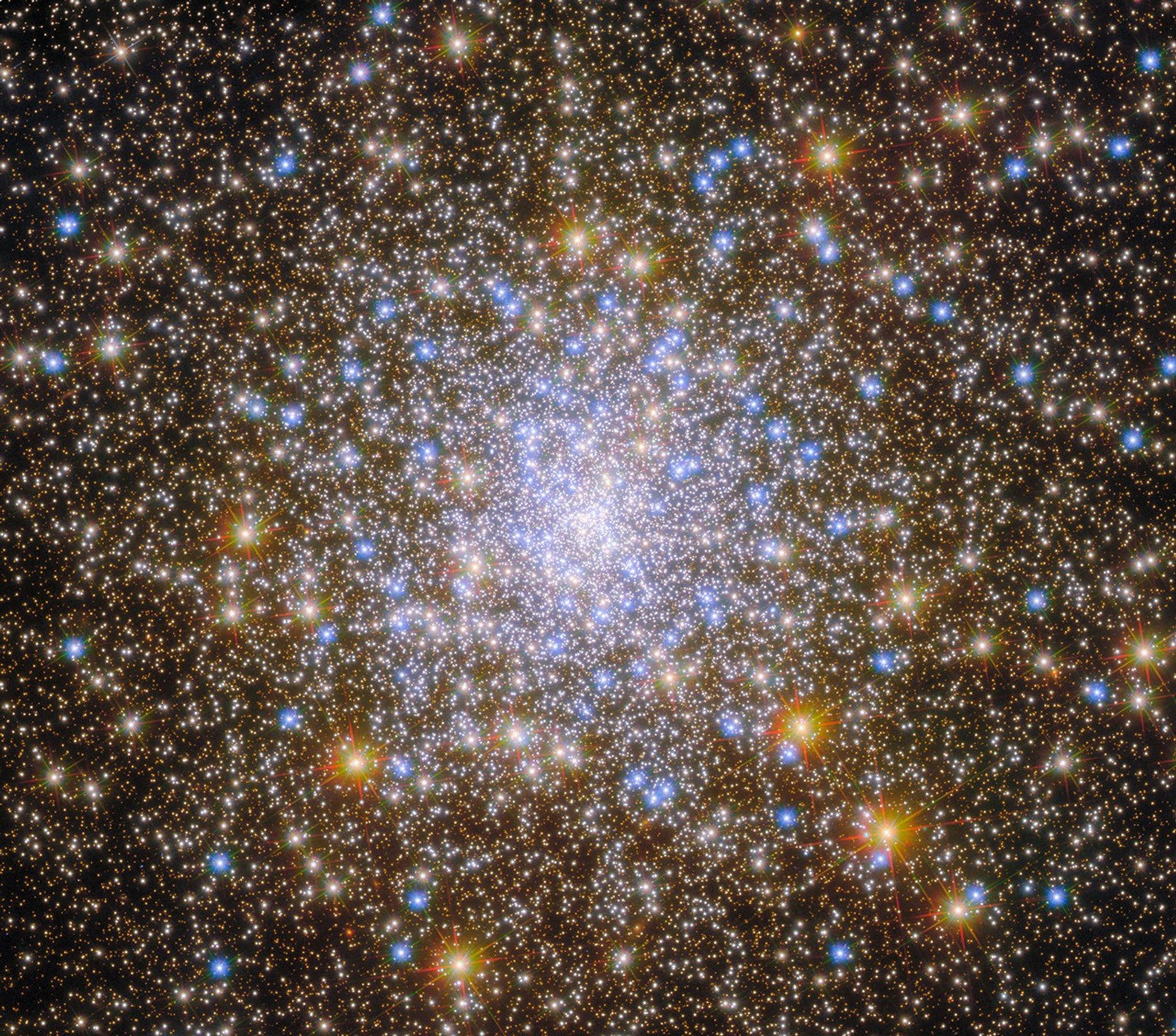
Hubble Learns Galactic History From Stars

This Hubble image features the sparkling collection of stars named Messier 30 (M30), also called NGC 7099.

Lean: Center Fact-focusedFactuality: Mostly factualCountry: United StatesFunding: CorporateOwner: Independent
  • Phys Hubble learns galactic history from stars

    This NASA/ESA Hubble Space Telescope image provides a lesson in galactic history. The sparkling collection of stars is named Messier 30 (M30) after the French astronomer Charles Messier, who cataloged M30 and other...

    Lean: Center Fact-focusedFactuality: Mostly factualCountry: United StatesFunding: CorporateOwner: Independent
+ 1 · Full coverage
Coverage breakdown
Funding
Corporate100%
Countries
United States100%
Media ownership
Independent100%
Avg reliability65
Low-credibility share0%
Fact / opinion3/0
State media0%
More analysis
Truth score: 48 (Limited corroboration) Propaganda risk: 0 Trending: Low Sources: 2 Reliability: 65 Bias severity: 0 Risk: 0Sentiment: 0Sensationalism: 0 Amplification: 0

How we score

Like
Centre 100%100%
Breaking Science NewsNo political lean

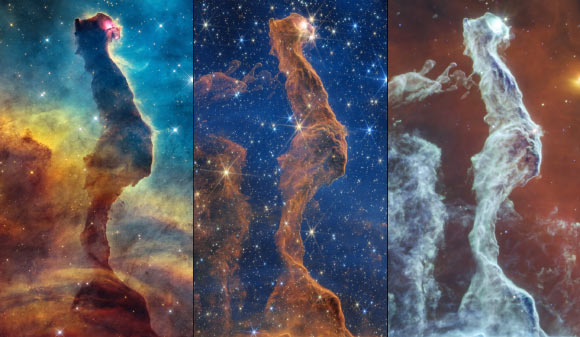
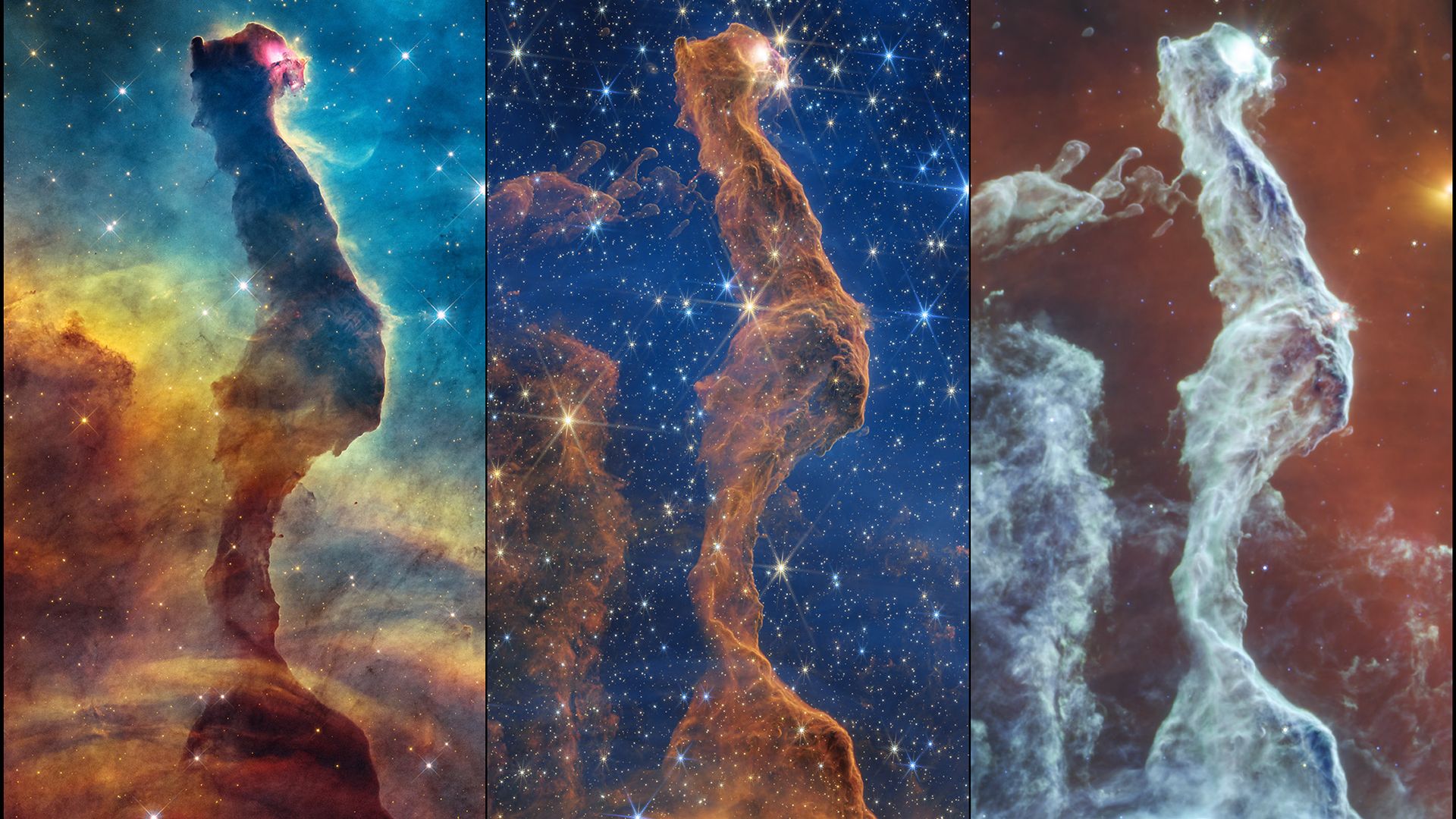
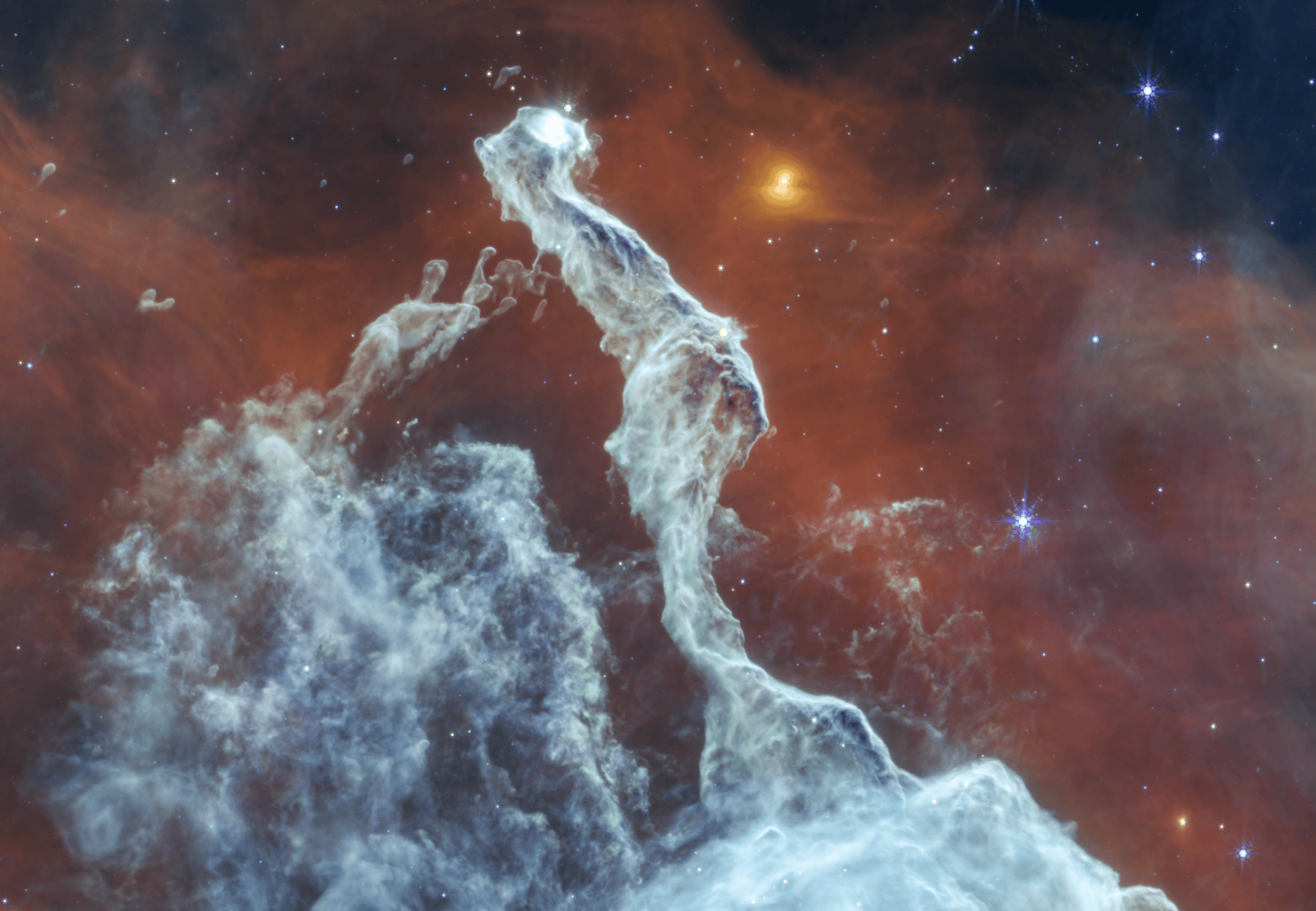
Hubble and Webb Telescopes Zoom in on Cat’s Head Nebula

The NASA/ESA Hubble Space Telescope and the NASA/ESA/CSA James Webb Space Telescope have turned their cameras on an eerie pillar of gas and dust with a glowing red ‘eye,’ probably a young star still wrapped in its cocoon.

Lean: No political lean Fact-focusedCountry: United StatesFunding: CorporateOwner: Independent
+ 1 · Full coverage
Coverage breakdown
Funding
Corporate100%
Countries
India50%
United States50%
Media ownership
Independent100%
Avg reliability65
Low-credibility share0%
Fact / opinion3/0
State media0%
More analysis
Truth score: 48 (Limited corroboration) Propaganda risk: 0 Trending: Low Sources: 2 Reliability: 65 Bias severity: 0 Risk: 0Sentiment: 0Sensationalism: 5 Amplification: 0

How we score

Like
Politics
1 source

Who is covering this

Drudge Report FeedLeans right
Truth score 34
No rated outlets yet
Drudge Report FeedLeans right

Evidence that consciousness persists after death found in new study...

Evidence that consciousness persists after death found in new study... (Third column, 5th story, link ) Related stories: Mystery of what comes next deepens... We Were Totally Wrong About How Life on Earth Started? Aging NASA telescope...

Lean: Leans right Fact-focusedCountry: United StatesFunding: CorporateOwner: Independent
+ 2 · Full coverage
Coverage breakdown
Funding
Corporate100%
Countries
United States100%
Media ownership
Independent100%
Avg reliability-
Low-credibility share0%
Fact / opinion3/0
State media0%
More analysis
Truth score: 34 (Weakly supported) Propaganda risk: 0 Trending: Low Sources: 1 Reliability: Not rated Bias severity: 0 Risk: 0Sentiment: -67Sensationalism: 0 Amplification: 0

How we score

Like
Centre 100%100%
LiveCenter

Hubble and Webb spot something ghostly happening in the Cat's Head Nebula

The Cat's Head Nebula shows its ghostly insides and sinister red eye in rival views from the Hubble and James Webb space telescopes. Like a spectral form rising out of a cold mist, NASA’s Hubble and James Webb Space Telescopes have...

Lean: Center Fact-focusedFactuality: HighCountry: United StatesFunding: CorporateOwner: Future US
+ 1 · Full coverage
Coverage breakdown
Funding
Corporate100%
Countries
United States60%
Canada20%
India20%
Media ownership
Independent60%
Future US20%
Corus Entertainment20%
Avg reliability69
Low-credibility share0%
Fact / opinion6/0
State media0%
More analysis
Truth score: 62 (Corroborated) Propaganda risk: 0 Trending: Low Sources: 5 Reliability: 69 Bias severity: 0 Risk: 0Sentiment: 0Sensationalism: 0 Amplification: 0

How we score

Like
Culture
1 source

Who is covering this

QuartzLeans left
Truth score 40
Left 100%100%
QuartzLeans left

10 beginner telescopes for 2026, from a $45 lunar scope to a $1,863 Celestron

A stargazer of 40-odd years picks 10 beginner telescopes for 2026, from a $45 lunar scope to a computerized Celestron.

Lean: Leans left Fact-focusedFactuality: HighCountry: United StatesFunding: CorporateOwner: G/O Media
Full coverage
Coverage breakdown
Funding
Corporate100%
Countries
United States100%
Media ownership
G/O Media100%
Avg reliability72
Low-credibility share0%
Fact / opinion1/0
State media0%
More analysis
Truth score: 40 (Limited corroboration) Propaganda risk: 0 Trending: Low Sources: 1 Reliability: 72 Bias severity: 0 Risk: 0Sentiment: 0Sensationalism: 0 Amplification: 0

How we score

Like
Science
1 source

Who is covering this

PhysCenter
Truth score 38
Centre 100%100%
PhysCenter

Tiny photonic chip links telescopes together to view the universe in 'astonishing' detail

A tiny glass chip developed by researchers at Heriot-Watt University has linked two telescopes together to enable them to act as a single powerful instrument, marking an important step toward a new generation of astronomical technology.

Lean: Center Fact-focusedFactuality: Mostly factualCountry: United StatesFunding: CorporateOwner: Independent
Full coverage
Coverage breakdown
Funding
Corporate100%
Countries
United States100%
Media ownership
Independent100%
Avg reliability65
Low-credibility share0%
Fact / opinion1/0
State media0%
More analysis
Truth score: 38 (Weakly supported) Propaganda risk: 0 Trending: Low Sources: 1 Reliability: 65 Bias severity: 0 Risk: 0Sentiment: 0Sensationalism: 0 Amplification: 0

How we score

Like
Science
1 source

Who is covering this

PhysCenter
Truth score 38
Centre 100%100%
PhysCenter

Satellites leak noise that interferes with telescopes and GPS. Here's how to fix it

Less than a decade ago, there were about 2,000 operational satellites orbiting Earth. Today there are more than 15,000. Millions more are planned.

Lean: Center Fact-focusedFactuality: Mostly factualCountry: United StatesFunding: CorporateOwner: Independent
Full coverage
Coverage breakdown
Funding
Corporate100%
Countries
United States100%
Media ownership
Independent100%
Avg reliability65
Low-credibility share0%
Fact / opinion1/0
State media0%
More analysis
Truth score: 38 (Weakly supported) Propaganda risk: 0 Trending: Low Sources: 1 Reliability: 65 Bias severity: 0 Risk: 0Sentiment: 0Sensationalism: 0 Amplification: 0

How we score

Like