INDBInternet News Database 2.5 Updated 1 min ago · 293 sources Show or hide images Light or dark

Results for “Species Survival Plan”

Science
2 sources

Who is covering this

WIVB-TVNot ratedWGRZNot rated
Truth score 44
No rated outlets yet
WIVB-TVNot rated

Buffalo Zoo welcomes 5-year-old rhinoceros

BUFFALO, N.Y. (WIVB) -- A one-horned rhinoceros who weighs nearly two tons now calls the Buffalo Zoo home. Patrick, a 5-year-old rhinoceros, recently came to Buffalo from the Bronx Zoo. The move was part of a breeding recommendation...

Lean: Not rated Fact-focusedCountry: United States
  • WGRZ Buffalo Zoo welcomes new male rhino, Patrick
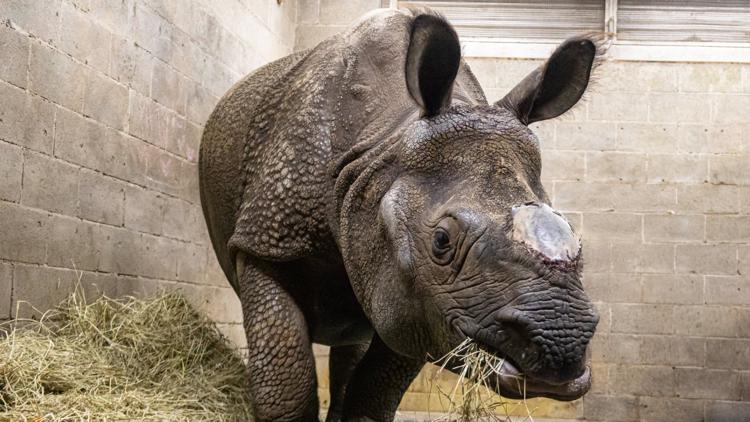
    The Buffalo Zoo welcomes Patrick, a 3,600-pound rhino from the Bronx Zoo, to its conservation program. Patrick will eventually join the zoo's breeding efforts.

    Lean: Not rated Fact-focusedCountry: United States
Full coverage
Coverage breakdown
Funding
Not recorded100%
Countries
United States100%
Media ownership
WIVB-TV50%
WGRZ50%
Avg reliability-
Low-credibility share0%
Fact / opinion2/0
State media0%
More analysis
Truth score: 44 (Limited corroboration) Propaganda risk: 0 Trending: Low Sources: 2 Reliability: Not rated Bias severity: 0 Risk: 0Sentiment: 0Sensationalism: 0 Amplification: 0

How we score

Like
Science
1 source

Who is covering this

PhysCenter
Truth score 38
Centre 100%100%
PhysCenter

New species of ground-dwelling bird, the largest of its kind, identified in same cave as Homo floresiensis

In 2009, researchers working in the Liang Bua cave on Flores Island came across a leg bone. The 190,000–120,000-year-old fossil was identified as a bird bone and set aside. Like many bird bones before it, it was overlooked and left to...

Lean: Center Fact-focusedFactuality: Mostly factualCountry: United StatesFunding: CorporateOwner: Independent
Full coverage
Coverage breakdown
Funding
Corporate100%
Countries
United States100%
Media ownership
Independent100%
Avg reliability65
Low-credibility share0%
Fact / opinion1/0
State media0%
More analysis
Truth score: 38 (Weakly supported) Propaganda risk: 0 Trending: Low Sources: 1 Reliability: 65 Bias severity: 0 Risk: 0Sentiment: 0Sensationalism: 0 Amplification: 0

How we score

Like
Science
1 source

Who is covering this

PhysCenter
Truth score 38
Centre 100%100%
PhysCenter

New species of sawfly described

Yale College junior Leah Mock did fieldwork in a remote quarry in western Colorado that exposes the 50-million-year-old Green River Formation.

Lean: Center Fact-focusedFactuality: Mostly factualCountry: United StatesFunding: CorporateOwner: Independent
Full coverage
Coverage breakdown
Funding
Corporate100%
Countries
United States100%
Media ownership
Independent100%
Avg reliability65
Low-credibility share0%
Fact / opinion1/0
State media0%
More analysis
Truth score: 38 (Weakly supported) Propaganda risk: 0 Trending: Low Sources: 1 Reliability: 65 Bias severity: 0 Risk: 0Sentiment: 0Sensationalism: 0 Amplification: 0

How we score

Like
Science
1 source

Who is covering this

PhysCenter
Truth score 38
Centre 100%100%
PhysCenter

New species of pygmygoby discovered at the edge of the Red Sea's unexplored deep reefs

Researchers have described a new species of fish from the northern Red Sea, found at the entrance to a cave on a steep reef slope. Charon's pygmygoby (Trimma charon) is a small, translucent fish with a broad orange-red stripe, golden...

Lean: Center Fact-focusedFactuality: Mostly factualCountry: United StatesFunding: CorporateOwner: Independent
Full coverage
Coverage breakdown
Funding
Corporate100%
Countries
United States100%
Media ownership
Independent100%
Avg reliability65
Low-credibility share0%
Fact / opinion1/0
State media0%
More analysis
Truth score: 38 (Weakly supported) Propaganda risk: 0 Trending: Low Sources: 1 Reliability: 65 Bias severity: 0 Risk: 0Sentiment: 0Sensationalism: 0 Amplification: 0

How we score

Like
Science
1 source

Who is covering this

PhysCenter
Truth score 38
Centre 100%100%
PhysCenter

Calling species 'invasive'—and culling them—isn't done lightly. But it matters to Australia's threatened species

It may sound abstract, but distinctions between "native," "introduced" or "invasive" species can often be life or death. Species considered invasive in Australia—such as European rabbits and feral pigs—are often culled, while most...

Lean: Center Fact-focusedFactuality: Mostly factualCountry: United StatesFunding: CorporateOwner: Independent
Full coverage
Coverage breakdown
Funding
Corporate100%
Countries
United States100%
Media ownership
Independent100%
Avg reliability65
Low-credibility share0%
Fact / opinion1/0
State media0%
More analysis
Truth score: 38 (Weakly supported) Propaganda risk: 0 Trending: Low Sources: 1 Reliability: 65 Bias severity: 0 Risk: 0Sentiment: -100Sensationalism: 0 Amplification: 0

How we score

Like
Science
1 source
Truth score 34
No rated outlets yet
Breaking Science NewsNo political lean

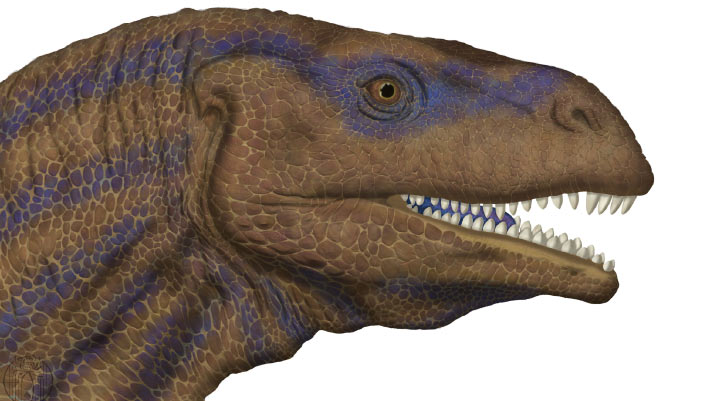
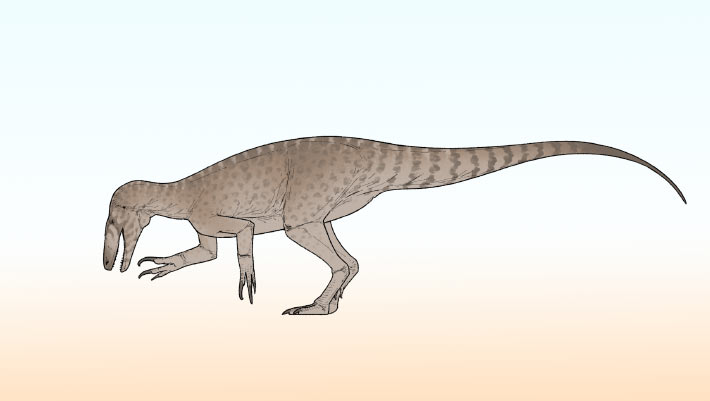
New Species of Predatory Dinosaur Identified in Argentina

Paleontologists have identified a new genus and species of megaraptorid dinosaur from an incomplete skeleton unearthed in northern Patagonia, Argentina.

Lean: No political lean Fact-focusedCountry: United StatesFunding: CorporateOwner: Independent
Full coverage
Coverage breakdown
Funding
Corporate100%
Countries
United States100%
Media ownership
Independent100%
Avg reliability-
Low-credibility share0%
Fact / opinion1/0
State media0%
More analysis
Truth score: 34 (Weakly supported) Propaganda risk: 0 Trending: Low Sources: 1 Reliability: Not rated Bias severity: 0 Risk: 0Sentiment: 0Sensationalism: 0 Amplification: 0

How we score

Like
Science
1 source
Truth score 34
No rated outlets yet
Breaking Science NewsNo political lean

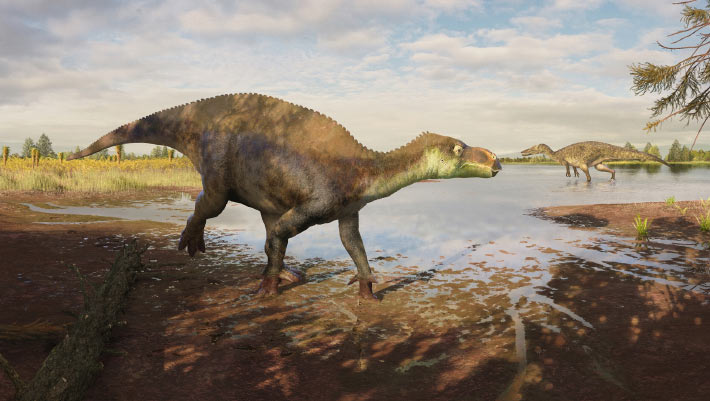
New Species of Iguanodontian Dinosaur Discovered in England

A partial dinosaur skeleton unearthed in a Surrey brickworks in 2001 has been identified as a previously unknown genus and species of an early-diverging hadrosauroid iguanodontian.

Lean: No political lean Fact-focusedCountry: United StatesFunding: CorporateOwner: Independent
Full coverage
Coverage breakdown
Funding
Corporate100%
Countries
United States100%
Media ownership
Independent100%
Avg reliability-
Low-credibility share0%
Fact / opinion1/0
State media0%
More analysis
Truth score: 34 (Weakly supported) Propaganda risk: 0 Trending: Low Sources: 1 Reliability: Not rated Bias severity: 0 Risk: 0Sentiment: 0Sensationalism: 0 Amplification: 0
How we score

Like
Science
1 source

Who is covering this

The HinduLeans left
Truth score 43
Left 100%100%
The HinduLeans left

New shark species identified in Indian Ocean after decades of misclassification

The researchers identified the species Indian Bramble Shark, named Echinorhinus roinee

Lean: Leans left Fact-focusedFactuality: HighCountry: IndiaFunding: PrivateOwner: The Hindu Group
Full coverage
Coverage breakdown
Funding
Private100%
Countries
India100%
Media ownership
The Hindu Group100%
Avg reliability80
Low-credibility share0%
Fact / opinion1/0
State media0%
More analysis
Truth score: 43 (Limited corroboration) Propaganda risk: 0 Trending: Low Sources: 1 Reliability: 80 Bias severity: 0 Risk: 0Sentiment: 0Sensationalism: 0 Amplification: 0

How we score

Like
Science
1 source

Who is covering this

PhysCenter
Truth score 38
Centre 100%100%
PhysCenter

Two new howler monkey species discovered in the Amazon after 85 years

Genetic research has uncovered two previously unknown species of howler monkey living in the Amazon rainforest, confirming the world's largest tropical forest is more biodiverse than scientists thought.

Lean: Center Fact-focusedFactuality: Mostly factualCountry: United StatesFunding: CorporateOwner: Independent
Full coverage
Coverage breakdown
Funding
Corporate100%
Countries
United States100%
Media ownership
Independent100%
Avg reliability65
Low-credibility share0%
Fact / opinion1/0
State media0%
More analysis
Truth score: 38 (Weakly supported) Propaganda risk: 0 Trending: Low Sources: 1 Reliability: 65 Bias severity: 0 Risk: 0Sentiment: 0Sensationalism: 0 Amplification: 0

How we score

Like
Science
1 source

Who is covering this

LiveCenter
Truth score 41
Centre 100%100%
LiveCenter

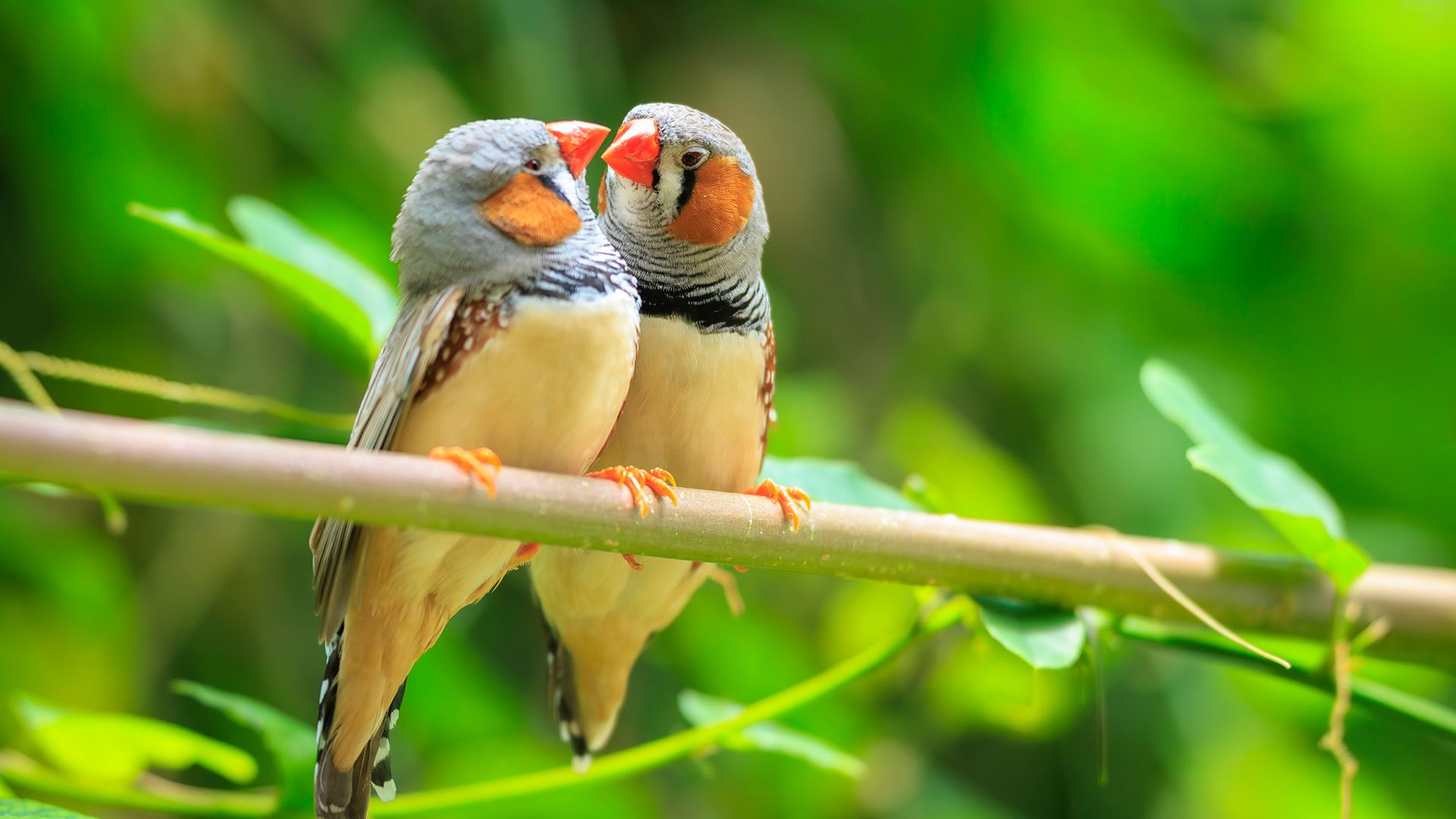
'The first species we might be able to communicate with, interact with vocally, might be a bird': An animal researcher explains how she decoded birdsong

Julie Elie , an ethologist at the University of California, Berkeley, tells Live Science about using AI to decode the vocalizations of zebra finches.

Lean: Center Fact-focusedFactuality: HighCountry: United StatesFunding: CorporateOwner: Future US
Full coverage
Coverage breakdown
Funding
Corporate100%
Countries
United States100%
Media ownership
Future US100%
Avg reliability75
Low-credibility share0%
Fact / opinion1/0
State media0%
More analysis
Truth score: 41 (Limited corroboration) Propaganda risk: 0 Trending: Low Sources: 1 Reliability: 75 Bias severity: 0 Risk: 0Sentiment: 0Sensationalism: 0 Amplification: 0

How we score

Like
Science
1 source
Truth score 34
No rated outlets yet
Breaking Science NewsNo political lean

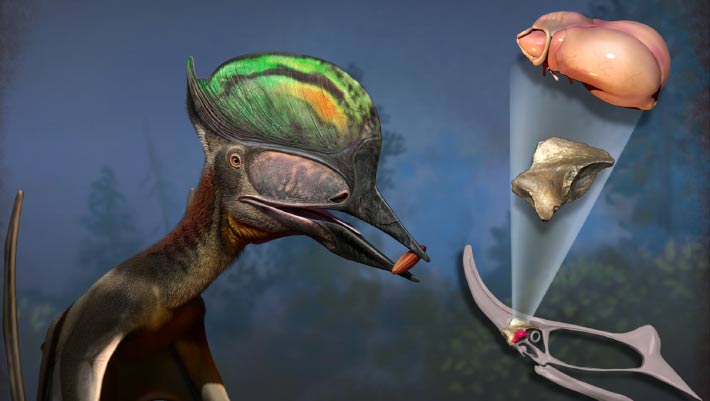
Paleontologists Identify New Species of Tapejarid Pterosaur

A new genus and species of tapejarid pterosaur has been identified from a specimen in the collections of the Sedgwick Museum of Earth Sciences in Cambridge, England, first described in 1870.

Lean: No political lean Fact-focusedCountry: United StatesFunding: CorporateOwner: Independent
Full coverage
Coverage breakdown
Funding
Corporate100%
Countries
United States100%
Media ownership
Independent100%
Avg reliability-
Low-credibility share0%
Fact / opinion1/0
State media0%
More analysis
Truth score: 34 (Weakly supported) Propaganda risk: 0 Trending: Low Sources: 1 Reliability: Not rated Bias severity: 0 Risk: 0Sentiment: 0Sensationalism: 0 Amplification: 0
How we score

Like
Science
1 source

Who is covering this

PhysCenter
Truth score 38
Centre 100%100%
PhysCenter

Scientists discover new jellyfish species in waters off Alicante in Spain

The Mediterranean Sea still holds species unknown to science. One of them is Copula lucentia, a tiny jellyfish measuring just a few millimeters. Discovered off El Campello, in Alicante, it was formally described in 2024 by a research...

Lean: Center Fact-focusedFactuality: Mostly factualCountry: United StatesFunding: CorporateOwner: Independent
Full coverage
Coverage breakdown
Funding
Corporate100%
Countries
United States100%
Media ownership
Independent100%
Avg reliability65
Low-credibility share0%
Fact / opinion1/0
State media0%
More analysis
Truth score: 38 (Weakly supported) Propaganda risk: 0 Trending: Low Sources: 1 Reliability: 65 Bias severity: 0 Risk: 0Sentiment: 0Sensationalism: 0 Amplification: 0

How we score

Like
Business
1 source

Who is covering this

NewsCenter
Truth score 38
Centre 100%100%
NewsCenter

Is the Male Species Really Facing Extinction? Could the Evolution of the Y Chromosome Transform Humanity's Future?

Is the Male Species Really Facing Extinction? Could the Evolution of the Y Chromosome Transform Humanity's Future? IBG News

Lean: Center Fact-focusedFactuality: Mostly factualCountry: IndiaFunding: CorporateOwner: Independent
Full coverage
Coverage breakdown
Funding
Corporate100%
Countries
India100%
Media ownership
Independent100%
Avg reliability65
Low-credibility share0%
Fact / opinion1/0
State media0%
More analysis
Truth score: 38 (Weakly supported) Propaganda risk: 0 Trending: Low Sources: 1 Reliability: 65 Bias severity: 0 Risk: 0Sentiment: 0Sensationalism: 0 Amplification: 0

How we score

Like
Science
1 source
Truth score 34
No rated outlets yet
Discover Top StoriesNo political lean

Newly Discovered Brittle Star Species Found Beside a 9.5-Million-Year-Old Whale Fall

Learn more about a new species of brittle star found beside a 9.5-million-year-old whale carcass in Denmark.

Lean: No political lean Fact-focusedCountry: United StatesFunding: CorporateOwner: Independent
Full coverage
Coverage breakdown
Funding
Corporate100%
Countries
United States100%
Media ownership
Independent100%
Avg reliability-
Low-credibility share0%
Fact / opinion1/0
State media0%
More analysis
Truth score: 34 (Weakly supported) Propaganda risk: 0 Trending: Low Sources: 1 Reliability: Not rated Bias severity: 0 Risk: 0Sentiment: 0Sensationalism: 0 Amplification: 0

How we score

Like
Science
1 source

Who is covering this

PhysCenter
Truth score 38
Centre 100%100%
PhysCenter

Two new bandicoot species discovered after trawling through museum drawers

A 10-year scientific investigation of museum specimens has uncovered two previously unrecognized bandicoot species, expanded the known range of the iconic quenda (or southeastern brown bandicoot) and reshaped understanding of one of...

Lean: Center Fact-focusedFactuality: Mostly factualCountry: United StatesFunding: CorporateOwner: Independent
Full coverage
Coverage breakdown
Funding
Corporate100%
Countries
United States100%
Media ownership
Independent100%
Avg reliability65
Low-credibility share0%
Fact / opinion1/0
State media0%
More analysis
Truth score: 38 (Weakly supported) Propaganda risk: 0 Trending: Low Sources: 1 Reliability: 65 Bias severity: 0 Risk: 0Sentiment: 0Sensationalism: 0 Amplification: 0

How we score

Like
Science
1 source

Who is covering this

PhysCenter
Truth score 38
Centre 100%100%
PhysCenter

Four new frog species reveal more of Peru's biodiversity

Science can't study a species—or unlock its potential to change the world—until people actually know it exists. Four new species of frogs have now been given names, thanks to the efforts of FIU biologist Alessandro Catenazzi.

Lean: Center Fact-focusedFactuality: Mostly factualCountry: United StatesFunding: CorporateOwner: Independent
Full coverage
Coverage breakdown
Funding
Corporate100%
Countries
United States100%
Media ownership
Independent100%
Avg reliability65
Low-credibility share0%
Fact / opinion1/0
State media0%
More analysis
Truth score: 38 (Weakly supported) Propaganda risk: 0 Trending: Low Sources: 1 Reliability: 65 Bias severity: 0 Risk: 0Sentiment: 0Sensationalism: 0 Amplification: 0

How we score

Like
Science
1 source

Who is covering this

PhysCenter
Truth score 38
Centre 100%100%
PhysCenter

Reexamining sexual and species recognition in butterflies: The Partner-Hazard Space framework

Generally, intra- and intersexual interactions have been considered qualitatively different processes. However, same-sex sexual behavior is widespread in the animal kingdom, challenging this assumption. Recently, a hypothesis was...

Lean: Center Fact-focusedFactuality: Mostly factualCountry: United StatesFunding: CorporateOwner: Independent
Full coverage
Coverage breakdown
Funding
Corporate100%
Countries
United States100%
Media ownership
Independent100%
Avg reliability65
Low-credibility share0%
Fact / opinion1/0
State media0%
More analysis
Truth score: 38 (Weakly supported) Propaganda risk: 0 Trending: Low Sources: 1 Reliability: 65 Bias severity: 0 Risk: 0Sentiment: 0Sensationalism: 0 Amplification: 0

How we score

Like
Science
1 source
Truth score 34
No rated outlets yet
Breaking Science NewsNo political lean

South African Fossil Reveals New Species of Early Sauropodomorph Dinosaur

Early sauropodomorph skulls from the Late Triassic are scarce; a newly described one from South Africa’s Eastern Cape belongs to a previously unknown species: Nyana rooiwalensis.

Lean: No political lean Fact-focusedCountry: United StatesFunding: CorporateOwner: Independent
Full coverage
Coverage breakdown
Funding
Corporate100%
Countries
United States100%
Media ownership
Independent100%
Avg reliability-
Low-credibility share0%
Fact / opinion1/0
State media0%
More analysis
Truth score: 34 (Weakly supported) Propaganda risk: 0 Trending: Low Sources: 1 Reliability: Not rated Bias severity: 0 Risk: 0Sentiment: 0Sensationalism: 0 Amplification: 0

How we score

Like
Science
1 source

Who is covering this

StandardCenter
Truth score 38
Centre 100%100%
StandardCenter

We can save more endangered species, says William at conservation awards

The prince met celebrity supporters of African wildlife conservation charity Tusk including comedian John Bishop and ex-footballer Mathieu Flamini.

Lean: Center Fact-focusedFactuality: Mostly factualCountry: United KingdomFunding: CorporateOwner: Independent
Full coverage
Coverage breakdown
Funding
Corporate100%
Countries
United Kingdom100%
Media ownership
Independent100%
Avg reliability65
Low-credibility share0%
Fact / opinion1/0
State media0%
More analysis
Truth score: 38 (Weakly supported) Propaganda risk: 0 Trending: Low Sources: 1 Reliability: 65 Bias severity: 0 Risk: 0Sentiment: 0Sensationalism: 0 Amplification: 0

How we score

Like
Science
1 source

Who is covering this

PhysCenter
Truth score 38
Centre 100%100%
PhysCenter

Scientists challenge the dream of bringing extinct species back to life

Could extinction itself become a thing of the past? Advances in biotechnology, including ancient DNA sequencing, genome analysis and gene editing, have led some to believe that it may be possible to bring extinct species back to life.

Lean: Center Fact-focusedFactuality: Mostly factualCountry: United StatesFunding: CorporateOwner: Independent
Full coverage
Coverage breakdown
Funding
Corporate100%
Countries
United States100%
Media ownership
Independent100%
Avg reliability65
Low-credibility share0%
Fact / opinion1/0
State media0%
More analysis
Truth score: 38 (Weakly supported) Propaganda risk: 0 Trending: Low Sources: 1 Reliability: 65 Bias severity: 0 Risk: 0Sentiment: 0Sensationalism: 0 Amplification: 0

How we score

Like
Science
1 source

Who is covering this

PhysCenter
Truth score 38
Centre 100%100%
PhysCenter

About 15,000 land vertebrate species could lose habitat to sea-level rise by 2100

The rate of sea-level rise is now more than 4 millimeters (0.16 inches) per year, having more than doubled since 1993–2002. Scientists estimate that this figure may go up to 10 millimeters (0.39 inches) per year in the near future. The...

Lean: Center Fact-focusedFactuality: Mostly factualCountry: United StatesFunding: CorporateOwner: Independent
Full coverage
Coverage breakdown
Funding
Corporate100%
Countries
United States100%
Media ownership
Independent100%
Avg reliability65
Low-credibility share0%
Fact / opinion1/0
State media0%
More analysis
Truth score: 38 (Weakly supported) Propaganda risk: 0 Trending: Low Sources: 1 Reliability: 65 Bias severity: 0 Risk: 0Sentiment: 0Sensationalism: 0 Amplification: 0

How we score

Like
Science
1 source
Truth score 34
No rated outlets yet
Discover Top StoriesNo political lean

Modern Humans Are the Only Human Species Left, and We May Have Driven Other Lineages to Extinction

Our modern human ancestors may have been, at least in part, responsible for the eventual downfall of other human species.

Lean: No political lean Fact-focusedCountry: United StatesFunding: CorporateOwner: Independent
Full coverage
Coverage breakdown
Funding
Corporate100%
Countries
United States100%
Media ownership
Independent100%
Avg reliability-
Low-credibility share0%
Fact / opinion1/0
State media0%
More analysis
Truth score: 34 (Weakly supported) Propaganda risk: 0 Trending: Low Sources: 1 Reliability: Not rated Bias severity: 0 Risk: 0Sentiment: 0Sensationalism: 0 Amplification: 0

How we score

Like
Science
1 source

Who is covering this

PhysCenter
Truth score 38
Centre 100%100%
PhysCenter

Hidden ecological risk from overlooked invasive crayfish species

A new study reveals narrow-clawed crayfish, an understudied invasive species in the U.K., to be as aggressive as the well-known signal crayfish.

Lean: Center Fact-focusedFactuality: Mostly factualCountry: United StatesFunding: CorporateOwner: Independent
Full coverage
Coverage breakdown
Funding
Corporate100%
Countries
United States100%
Media ownership
Independent100%
Avg reliability65
Low-credibility share0%
Fact / opinion1/0
State media0%
More analysis
Truth score: 38 (Weakly supported) Propaganda risk: 0 Trending: Low Sources: 1 Reliability: 65 Bias severity: 0 Risk: 0Sentiment: 0Sensationalism: 0 Amplification: 0

How we score

Like
Science
1 source

Who is covering this

CBS NewsLeans left
Truth score 44
Left 100%100%
CBS NewsLeans left

Newly found prehistoric "giant rat" species named after princess

The ancient creature offers new clues about how early rodents evolved to enormous sizes.

Lean: Leans left Fact-focusedFactuality: HighCountry: United StatesFunding: CorporateOwner: Paramount Global
Full coverage
Coverage breakdown
Funding
Corporate100%
Countries
United States100%
Media ownership
Paramount Global100%
Avg reliability82
Low-credibility share0%
Fact / opinion1/0
State media0%
More analysis
Truth score: 44 (Limited corroboration) Propaganda risk: 0 Trending: Low Sources: 1 Reliability: 82 Bias severity: 0 Risk: 0Sentiment: 0Sensationalism: 0 Amplification: 0
How we score

Like
Science
1 source

Who is covering this

PhysCenter
Truth score 38
Centre 100%100%
PhysCenter

Trained dogs detected invasive plant species in Germany with 75% accuracy

Invasive alien species (IAS) are one of the main causes of biodiversity loss worldwide. A study published Nov. 4, 2026, in the journal PLOS One by Annegret Grimm-Seyfarth at Helmholtz-Centre for Environmental Research—UFZ, Germany, and...

Lean: Center Fact-focusedFactuality: Mostly factualCountry: United StatesFunding: CorporateOwner: Independent
Full coverage
Coverage breakdown
Funding
Corporate100%
Countries
United States100%
Media ownership
Independent100%
Avg reliability65
Low-credibility share0%
Fact / opinion1/0
State media0%
More analysis
Truth score: 38 (Weakly supported) Propaganda risk: 0 Trending: Low Sources: 1 Reliability: 65 Bias severity: 0 Risk: 0Sentiment: -100Sensationalism: 0 Amplification: 0
How we score

Like
Science
1 source

Who is covering this

PhysCenter
Truth score 38
Centre 100%100%
PhysCenter

Overlooked Melbourne patch reveals 45 animal species and more than 40 plant types

When we think about nature in our cities, what often comes to mind are parks and reserves—planned, managed and clearly marked spaces that support animal and plant life in our urban environment.

Lean: Center Fact-focusedFactuality: Mostly factualCountry: United StatesFunding: CorporateOwner: Independent
Full coverage
Coverage breakdown
Funding
Corporate100%
Countries
United States100%
Media ownership
Independent100%
Avg reliability65
Low-credibility share0%
Fact / opinion1/0
State media0%
More analysis
Truth score: 38 (Weakly supported) Propaganda risk: 0 Trending: Low Sources: 1 Reliability: 65 Bias severity: 0 Risk: 0Sentiment: 0Sensationalism: 0 Amplification: 0

How we score

Like
Science
1 source

Who is covering this

PhysCenter
Truth score 38
Centre 100%100%
PhysCenter

Study reveals how five tuna species respond to changing Mediterranean conditions

As the Mediterranean Sea continues to warm, it may become more favorable for some tropical tuna species. However, warmer waters do not necessarily provide all the environmental conditions these highly migratory fish need.

Lean: Center Fact-focusedFactuality: Mostly factualCountry: United StatesFunding: CorporateOwner: Independent
Full coverage
Coverage breakdown
Funding
Corporate100%
Countries
United States100%
Media ownership
Independent100%
Avg reliability65
Low-credibility share0%
Fact / opinion1/0
State media0%
More analysis
Truth score: 38 (Weakly supported) Propaganda risk: 0 Trending: Low Sources: 1 Reliability: 65 Bias severity: 0 Risk: 0Sentiment: 0Sensationalism: 0 Amplification: 0

How we score

Like
Science
1 source

Who is covering this

PhysCenter
Truth score 38
Centre 100%100%
PhysCenter

Rare fossil discovery reveals new dinosaur species that specialized in eating fruit

Among the ravenous carnivores and lumbering herbivores that roamed the Cretaceous landscape, another kind of dinosaur was evolving that started to eat something else: the plants that began to flower and produce fruit. The discovery by...

Lean: Center Fact-focusedFactuality: Mostly factualCountry: United StatesFunding: CorporateOwner: Independent
Full coverage
Coverage breakdown
Funding
Corporate100%
Countries
United States100%
Media ownership
Independent100%
Avg reliability65
Low-credibility share0%
Fact / opinion1/0
State media0%
More analysis
Truth score: 38 (Weakly supported) Propaganda risk: 0 Trending: Low Sources: 1 Reliability: 65 Bias severity: 0 Risk: 0Sentiment: 0Sensationalism: 0 Amplification: 0

How we score

Like
Science
1 source

Who is covering this

PhysCenter
Truth score 38
Centre 100%100%
PhysCenter

Global wildlife trade is twice previous species estimates, but major data gaps suggest true scale is even larger

More than 107,000 species are used and traded worldwide, more than double previous estimates, according to new research that suggests the true scale may be far greater due to major gaps in trade and wildlife collection data.

Lean: Center Fact-focusedFactuality: Mostly factualCountry: United StatesFunding: CorporateOwner: Independent
Full coverage
Coverage breakdown
Funding
Corporate100%
Countries
United States100%
Media ownership
Independent100%
Avg reliability65
Low-credibility share0%
Fact / opinion1/0
State media0%
More analysis
Truth score: 38 (Weakly supported) Propaganda risk: 0 Trending: Low Sources: 1 Reliability: 65 Bias severity: 0 Risk: 0Sentiment: 0Sensationalism: 0 Amplification: 0
How we score

Like
Culture
1 source

Who is covering this

DeccanchronicleCenter
Truth score 38
Centre 100%100%
DeccanchronicleCenter

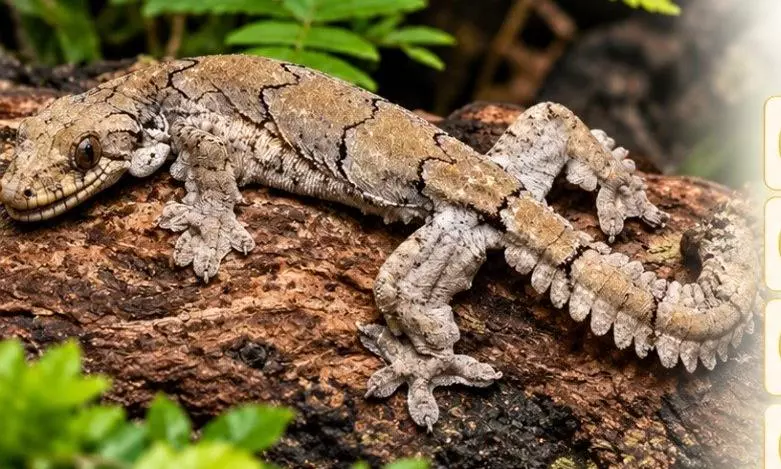
Mizoram University Researchers Find New Gecko Species in Assam's Dima Hasao

For Assam, this finding is another reminder of the ecological value of its diverse landscapes as it support specialised wildlife that may remain unknown without dedicated research and conservation efforts

Lean: Center Fact-focusedFactuality: Mostly factualCountry: IndiaFunding: CorporateOwner: Independent
Full coverage
Coverage breakdown
Funding
Corporate100%
Countries
India100%
Media ownership
Independent100%
Avg reliability65
Low-credibility share0%
Fact / opinion1/0
State media0%
More analysis
Truth score: 38 (Weakly supported) Propaganda risk: 0 Trending: Low Sources: 1 Reliability: 65 Bias severity: 0 Risk: 0Sentiment: 0Sensationalism: 0 Amplification: 0

How we score

Like