INDBInternet News Database 2.5 Updated 1 min ago · 292 sources Show or hide images Light or dark

Results for “Scientists Found Their”

Technology
1 source

Who is covering this

Zero HedgeRight
Truth score 16Factuality: Low
Right 100%100%
Zero HedgeRight

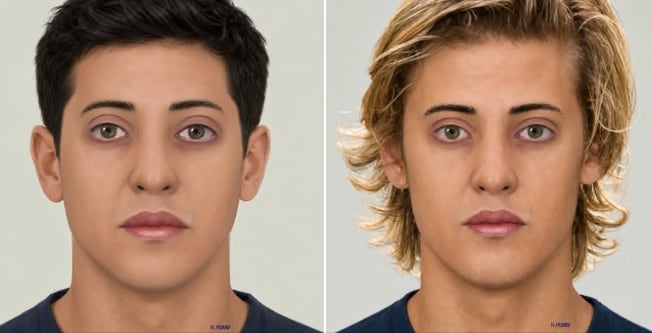
Noted Anthropologist Tells Rogan Indonesian Villagers Described 'Hobbits' Before Scientists Found Their Bones

Low reliability sourceElevated risk
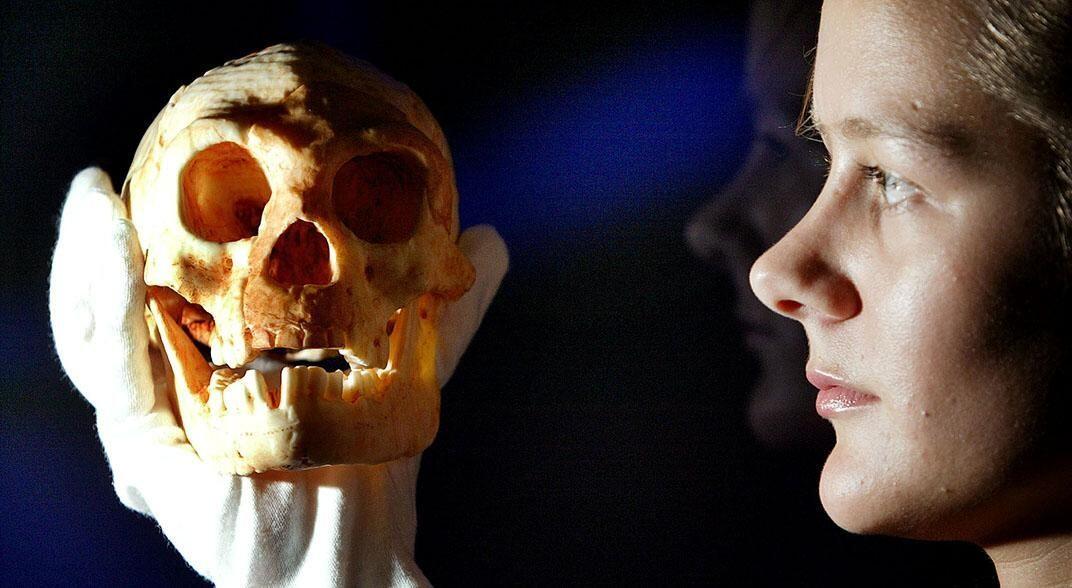
Noted Anthropologist Tells Rogan Indonesian Villagers Described 'Hobbits' Before Scientists Found Their Bones Canadian anthropologist Gregory Forth told Joe Rogan this week that villagers on the Indonesian island of Flores were...

Lean: Right Fact-focusedFactuality: LowCountry: United StatesFunding: PrivateOwner: ABC Media Ltd
Full coverage
Coverage breakdown
Funding
Private100%
Countries
United States100%
Media ownership
ABC Media Ltd100%
Avg reliability30
Low-credibility share100%
Fact / opinion1/0
State media0%
More analysis
Truth score: 16 (Weakly supported) Propaganda risk: 0 Trending: Low Sources: 1 Reliability: 30 Bias severity: 0 Risk: 100Sentiment: 0Sensationalism: 0 Amplification: 0

How we score

Like
Centre 100%100%
euronews (English)Center

‘Zeptoverse’: CERN scientists uncover evidence of extraordinarily rare particle decay

Scientists at CERN have found evidence of an extraordinarily rare particle decay using the Large Hadron Collider. Physicists with the LHCb Collaboration at CERN’s Large Hadron Collider announced today evidence for an extremely rare...

Lean: Center Fact-focusedFactuality: HighCountry: FranceFunding: CorporateOwner: Alpac Capital
Full coverage
Coverage breakdown
Funding
Corporate100%
Countries
United States67%
France33%
Media ownership
Independent67%
Alpac Capital33%
Avg reliability72
Low-credibility share0%
Fact / opinion3/0
State media0%
More analysis
Truth score: 56 (Limited corroboration) Propaganda risk: 0 Trending: Low Sources: 3 Reliability: 72 Bias severity: 0 Risk: 0Sentiment: 0Sensationalism: 5 Amplification: 0

How we score

Like
Left 25%25%Centre 50%50%Right 25%25%
The Globe and MailCenter

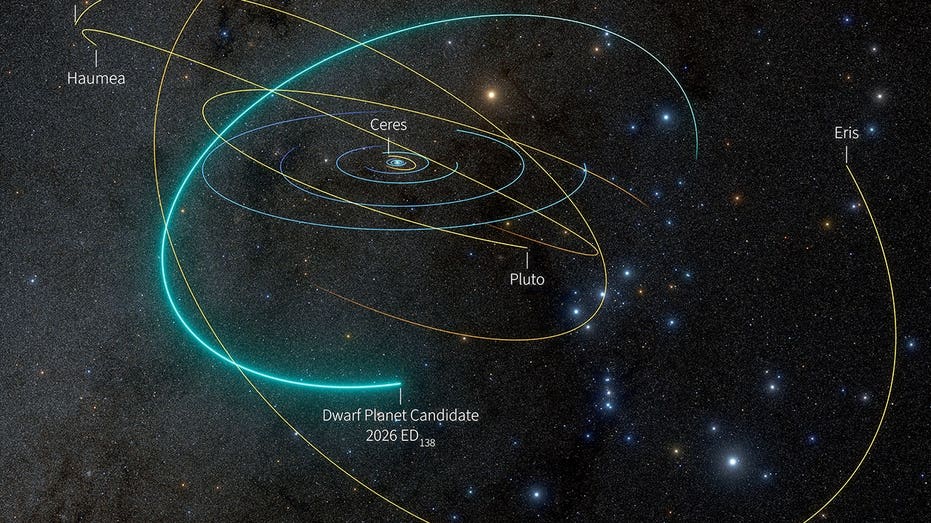
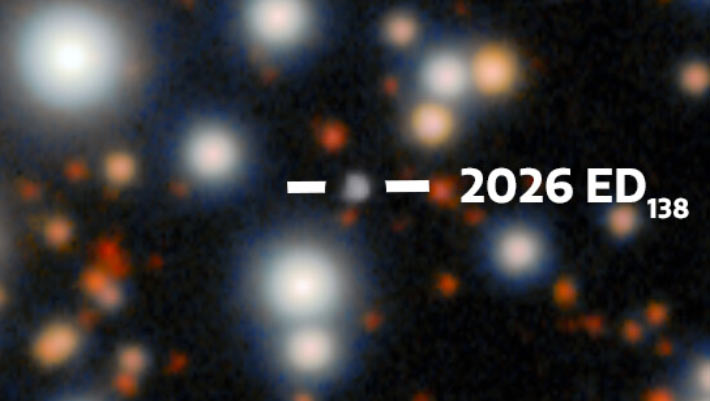
Telescope spots possible new dwarf planet orbiting beyond Pluto

Lying beyond Pluto, 2026 ED138 could be as large as 1,500 kilometers in diameter. The Vera C. Covered by 9 outlets: 2 lean left, 4 are centre, 1 lean right, 2 are not rated.

Lean: Center Fact-focusedFactuality: HighCountry: CanadaFunding: CorporateOwner: Woodbridge Company
+ 7 · Full coverage
Coverage breakdown
Funding
Corporate82%
State-funded9%
Not recorded9%
Countries
United States82%
Canada9%
Russia9%
Media ownership
Independent27%
Woodbridge Company9%
Condé Nast9%
Russian Government9%
Future US9%
Avg reliability67
Low-credibility share12%
Fact / opinion12/0
State media9%
More analysis
Truth score: 81 (Strongly corroborated) Propaganda risk: 0 Trending: Low Sources: 11 Reliability: 67 Bias severity: 0 Risk: 12Sentiment: -8Sensationalism: 2 Amplification: 0

How we score

Like
Science
1 source

Who is covering this

GizmodoLeans left
Truth score 40
Left 100%100%
GizmodoLeans left

Scientists Found a Bizarre Glitch in Carbon Dating Human Bones—and It Involves Fish

The findings are a “word of warning” about radiocarbon dating, the team says.

Lean: Leans left Fact-focusedFactuality: Mostly factualCountry: United StatesFunding: CorporateOwner: G/O Media
Full coverage
Coverage breakdown
Funding
Corporate100%
Countries
United States100%
Media ownership
G/O Media100%
Avg reliability70
Low-credibility share0%
Fact / opinion1/0
State media0%
More analysis
Truth score: 40 (Limited corroboration) Propaganda risk: 0 Trending: Low Sources: 1 Reliability: 70 Bias severity: 0 Risk: 0Sentiment: -100Sensationalism: 0 Amplification: 0

How we score

Like
Science
1 source

Who is covering this

GizmodoLeans left
Truth score 40
Left 100%100%
GizmodoLeans left

Scientists Found 8,000 Frog Bones at a Roman-Era Site in Britain—and They Finally Know Why

Sorry, no ancient frog cults.

Lean: Leans left Fact-focusedFactuality: Mostly factualCountry: United StatesFunding: CorporateOwner: G/O Media
Full coverage
Coverage breakdown
Funding
Corporate100%
Countries
United States100%
Media ownership
G/O Media100%
Avg reliability70
Low-credibility share0%
Fact / opinion1/0
State media0%
More analysis
Truth score: 40 (Limited corroboration) Propaganda risk: 0 Trending: Low Sources: 1 Reliability: 70 Bias severity: 0 Risk: 0Sentiment: 0Sensationalism: 0 Amplification: 0

How we score

Like
Energy
1 source

Who is covering this

GizmodoLeans left
Truth score 40
Left 100%100%
GizmodoLeans left

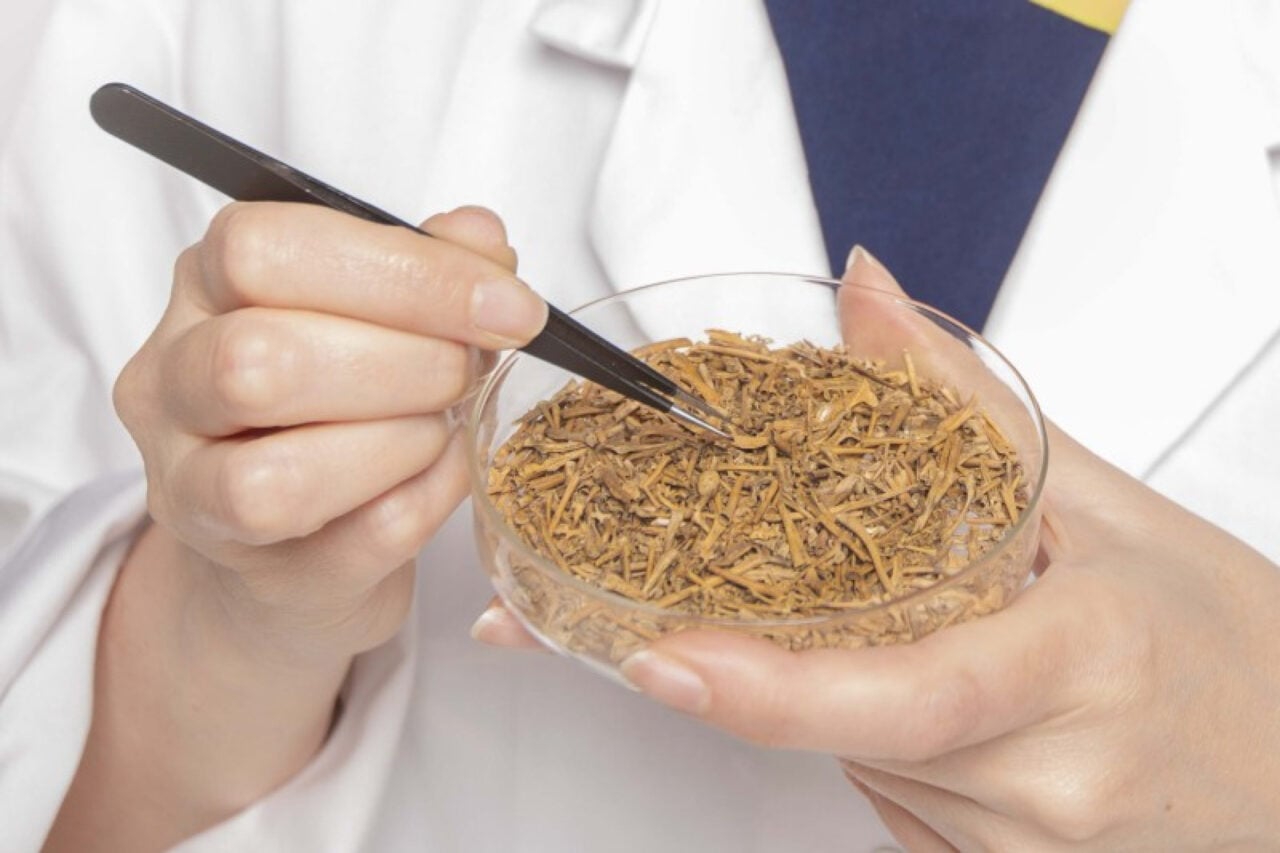
Scientists Found a Clever Second Life for Dead Wind Turbine Blades

Blasting pulverized turbine blades with bursts of energy allowed researchers to extract materials that could enhance new blades.

Lean: Leans left Fact-focusedFactuality: Mostly factualCountry: United StatesFunding: CorporateOwner: G/O Media
Full coverage
Coverage breakdown
Funding
Corporate100%
Countries
United States100%
Media ownership
G/O Media100%
Avg reliability70
Low-credibility share0%
Fact / opinion1/0
State media0%
More analysis
Truth score: 40 (Limited corroboration) Propaganda risk: 0 Trending: Low Sources: 1 Reliability: 70 Bias severity: 0 Risk: 0Sentiment: -100Sensationalism: 0 Amplification: 0

How we score

Like
Science
1 source
Truth score 41
Right 100%100%
South China Morning PostLeans right

Chinese scientists found giant ‘chimneys’ in deep water that could alter submarine warfare

Chinese researchers have mapped how energy from surface wind surges thousands of metres into the seabed, revealing massive underwater conduits they called “inertial chimneys”. The discovery, based on data collected by a US-funded ocean...

Lean: Leans right Fact-focusedFactuality: HighCountry: Hong KongFunding: CorporateOwner: Alibaba Group
Full coverage
Coverage breakdown
Funding
Corporate100%
Countries
Hong Kong100%
Media ownership
Alibaba Group100%
Avg reliability75
Low-credibility share0%
Fact / opinion1/0
State media0%
More analysis
Truth score: 41 (Limited corroboration) Propaganda risk: 0 Trending: Low Sources: 1 Reliability: 75 Bias severity: 0 Risk: 0Sentiment: 0Sensationalism: 0 Amplification: 0

How we score

Like
Science
1 source

Who is covering this

NewsweekCenter
Truth score 40
Centre 100%100%
NewsweekCenter

Petting Dogs Was Supposed To Lower Stress—Scientists Found Something Else

The real benefit may kick in later than expected, with researchers uncovering a surprising shift in the body's response to stress.

Lean: Center Fact-focusedFactuality: Mostly factualCountry: United StatesFunding: PrivateOwner: Newsweek Media Group
Full coverage
Coverage breakdown
Funding
Private100%
Countries
United States100%
Media ownership
Newsweek Media Group100%
Avg reliability70
Low-credibility share0%
Fact / opinion1/0
State media0%
More analysis
Truth score: 40 (Limited corroboration) Propaganda risk: 0 Trending: Low Sources: 1 Reliability: 70 Bias severity: 0 Risk: 0Sentiment: 0Sensationalism: 0 Amplification: 0

How we score

Like
Science
2 sources

Who is covering this

PhysCenterNewsCenter
Truth score 48
Centre 100%100%
PhysCenter

Accidental discovery enables room-temperature recrystallization of molybdenum

Researchers at the University of Rochester and Technion–Israel Institute of Technology accidentally discovered a new way to rearrange the internal structure of molybdenum—an extremely heat-resistant metal—at room temperature. Molybdenum...

Lean: Center Fact-focusedFactuality: Mostly factualCountry: United StatesFunding: CorporateOwner: Independent
Full coverage
Coverage breakdown
Funding
Corporate100%
Countries
United States50%
India50%
Media ownership
Independent100%
Avg reliability65
Low-credibility share0%
Fact / opinion2/0
State media0%
More analysis
Truth score: 48 (Limited corroboration) Propaganda risk: 0 Trending: Low Sources: 2 Reliability: 65 Bias severity: 0 Risk: 0Sentiment: 0Sensationalism: 0 Amplification: 0

How we score

Like
Science
1 source

Who is covering this

GizmodoLeans left
Truth score 40
Left 100%100%
GizmodoLeans left

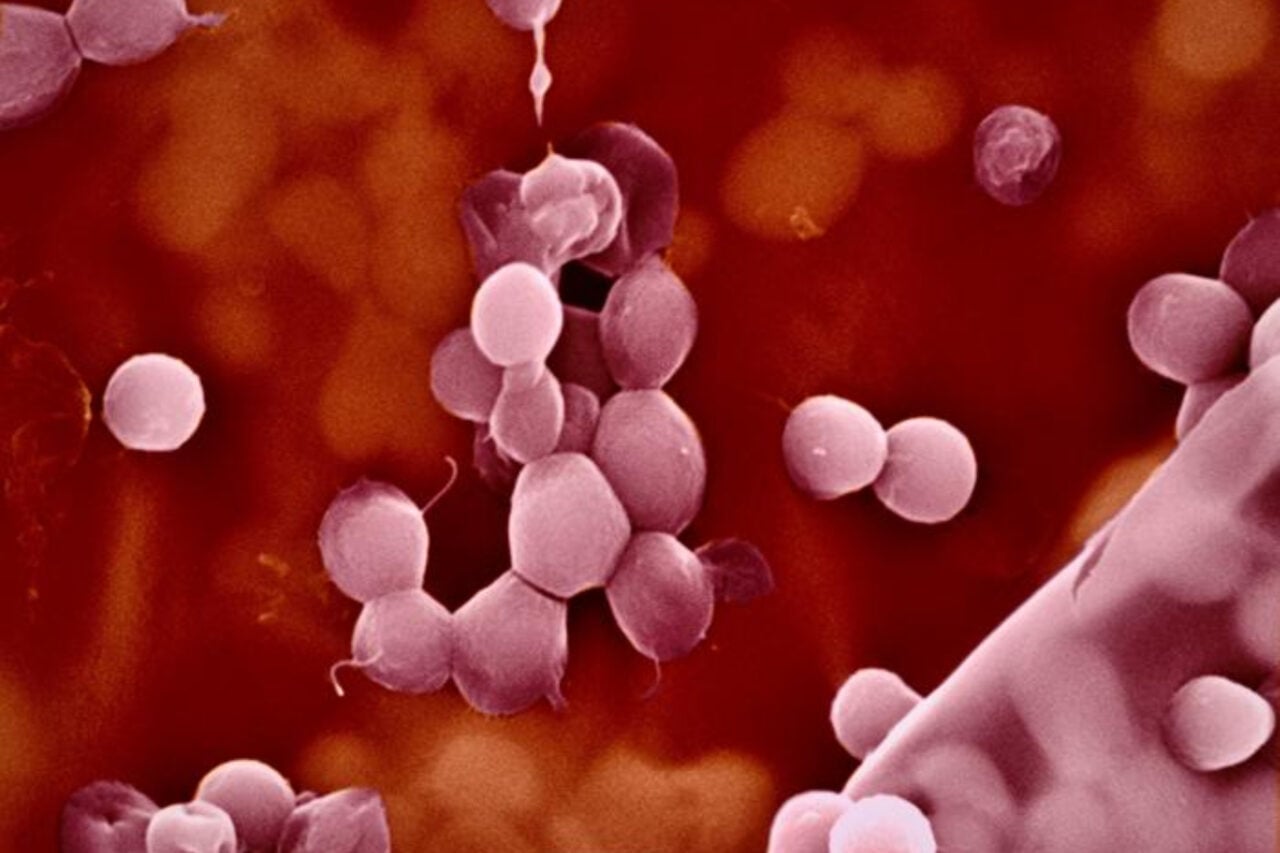
Scientists Gave an Earth Microbe Toxins Found on Mars. It Started Multiplying

The microorganism grew despite being stuck in oxygen-free, carbon-rich, low-pressure, and extremely salty environments.

Lean: Leans left Fact-focusedFactuality: Mostly factualCountry: United StatesFunding: CorporateOwner: G/O Media
Full coverage
Coverage breakdown
Funding
Corporate100%
Countries
United States100%
Media ownership
G/O Media100%
Avg reliability70
Low-credibility share0%
Fact / opinion1/0
State media0%
More analysis
Truth score: 40 (Limited corroboration) Propaganda risk: 0 Trending: Low Sources: 1 Reliability: 70 Bias severity: 0 Risk: 0Sentiment: 0Sensationalism: 0 Amplification: 0

How we score

Like
Science
1 source

Who is covering this

KIRO-TVNot rated
Truth score 34
No rated outlets yet
KIRO-TVNot rated

Scientists looking to find relatives based off DNA of partial skull found in Mountlake Terrace

Forensic genetic genealogists have processed the DNA of a partial skull found in a home that was sold in Mountlake Terrace in 2025.

Lean: Not rated Fact-focusedCountry: United States
Full coverage
Coverage breakdown
Funding
Not recorded100%
Countries
United States100%
Media ownership
KIRO-TV100%
Avg reliability-
Low-credibility share0%
Fact / opinion1/0
State media0%
More analysis
Truth score: 34 (Weakly supported) Propaganda risk: 0 Trending: Low Sources: 1 Reliability: Not rated Bias severity: 0 Risk: 0Sentiment: 0Sensationalism: 0 Amplification: 0

How we score

Like
Technology
1 source

Who is covering this

Zero HedgeRight
Truth score 16Factuality: Low
Right 100%100%
Zero HedgeRight

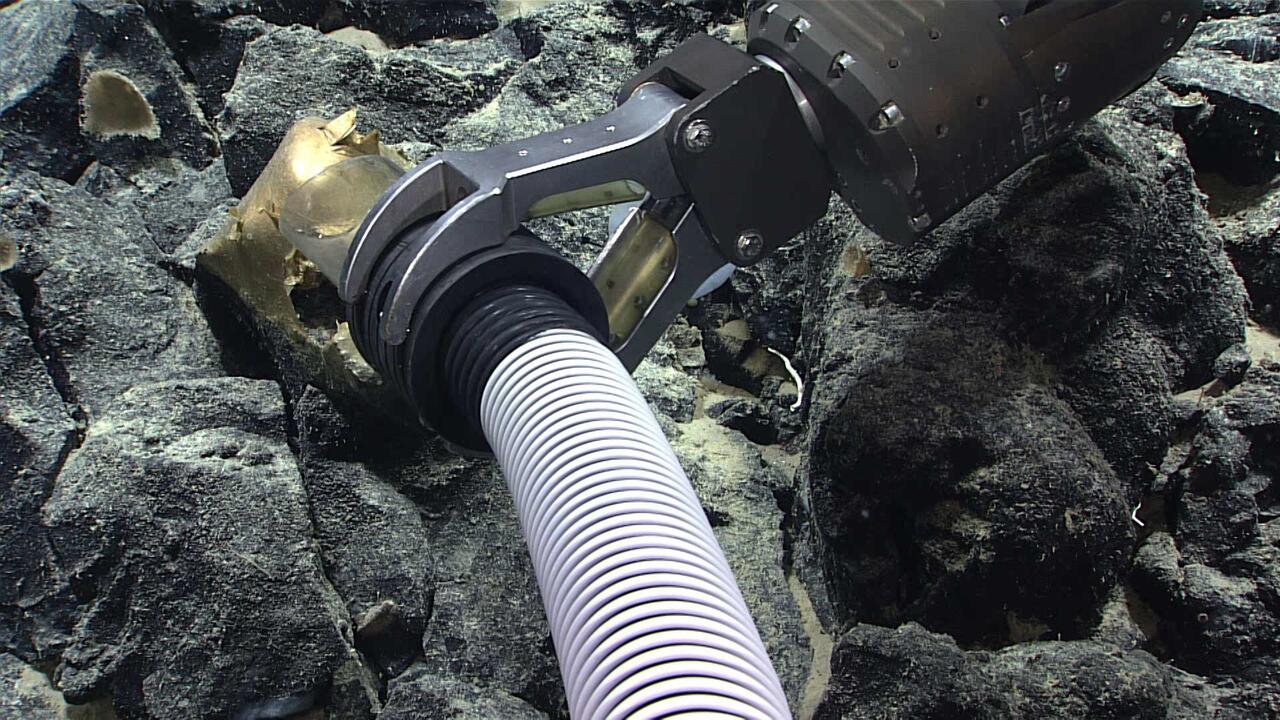
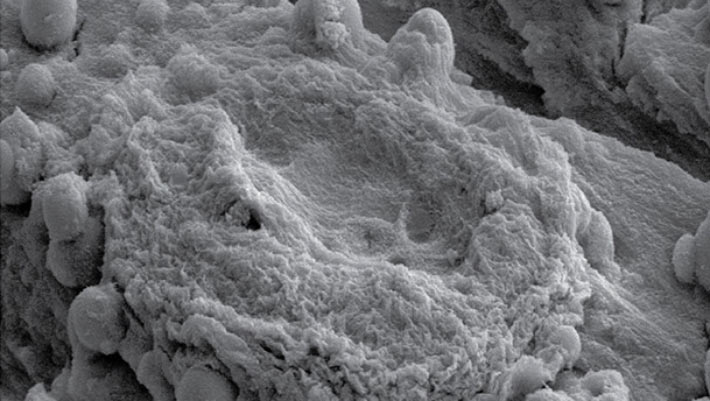
NOAA's Robot Found A Golden Orb 3,250 Meters Down. Scientists Finally Figure Out What It Was

Low reliability sourceElevated risk

NOAA's Robot Found A Golden Orb 3,250 Meters Down. Scientists Finally Figure Out What It Was The "golden orb" that stumped NOAA's deep-sea team in 2023 is the discarded base of a giant deep-sea anemone , according to a preprint posted...

Lean: Right Fact-focusedFactuality: LowCountry: United StatesFunding: PrivateOwner: ABC Media Ltd
Full coverage
Coverage breakdown
Funding
Private100%
Countries
United States100%
Media ownership
ABC Media Ltd100%
Avg reliability30
Low-credibility share100%
Fact / opinion1/0
State media0%
More analysis
Truth score: 16 (Weakly supported) Propaganda risk: 0 Trending: Low Sources: 1 Reliability: 30 Bias severity: 0 Risk: 100Sentiment: 0Sensationalism: 8 Amplification: 0

How we score

Like
Science
1 source

Who is covering this

The GuardianLeft
Truth score 45
Left 100%100%
The GuardianLeft

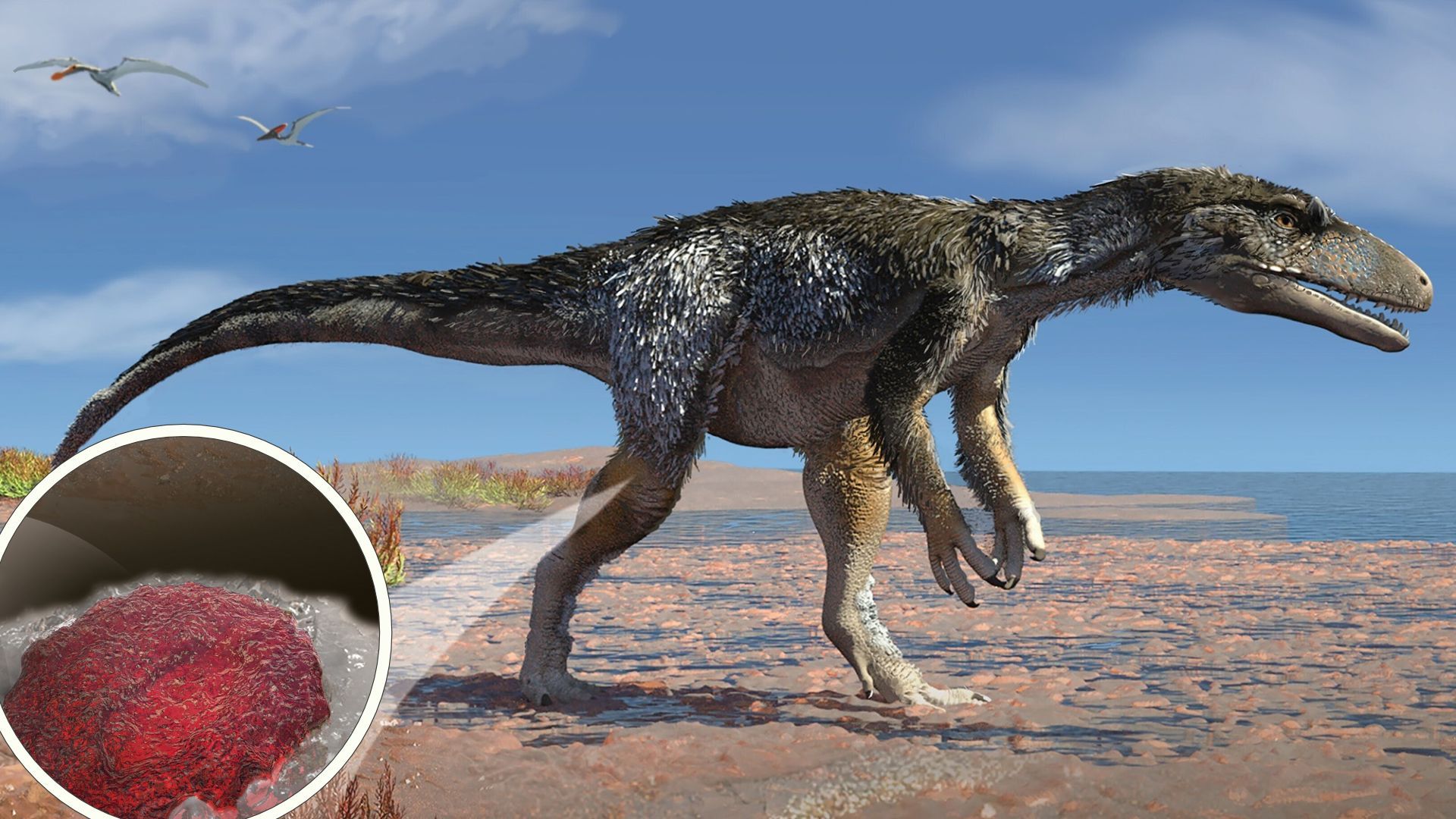
Fossilised red blood cells found in 115m-year-old dinosaur’s bone, say scientists

Chemical tests on Aratasaurus bone identify presence of heme, the organic compound that allows haemoglobin in blood to carry oxygen around body It could be the opening of a Jurassic Park rip-off: scientists examining ancient dinosaur...

Lean: Left Fact-focusedFactuality: Very highCountry: United KingdomFunding: Nonprofit trustOwner: Scott Trust
Full coverage
Coverage breakdown
Funding
Nonprofit trust100%
Countries
United Kingdom100%
Media ownership
Scott Trust100%
Avg reliability85
Low-credibility share0%
Fact / opinion1/0
State media0%
More analysis
Truth score: 45 (Limited corroboration) Propaganda risk: 0 Trending: Low Sources: 1 Reliability: 85 Bias severity: 0 Risk: 0Sentiment: 0Sensationalism: 0 Amplification: 0

How we score

Like
Science
1 source

Who is covering this

Daily MailCenter
Truth score 37
Centre 100%100%
Daily MailCenter

Could life already exist on Mars? Scientists discover microbes that can THRIVE in extreme conditions found beneath the Red Planet's surface

The hunt for life on Mars may have taken a major step forward as scientists find microbes that could survive on the Red Planet.

Lean: Center Fact-focusedFactuality: Mostly factualCountry: United KingdomFunding: CorporateOwner: DMGT
Full coverage
Coverage breakdown
Funding
Corporate100%
Countries
United Kingdom100%
Media ownership
DMGT100%
Avg reliability63
Low-credibility share0%
Fact / opinion1/0
State media0%
More analysis
Truth score: 37 (Weakly supported) Propaganda risk: 0 Trending: Low Sources: 1 Reliability: 63 Bias severity: 0 Risk: 0Sentiment: 0Sensationalism: 8 Amplification: 0

How we score

Like
Centre 100%100%
ABC News (Australia)Center

Molecular traces from 'blood cells' found in 115-million-year-old dinosaur bones

The surprise discovery of an iron-carrying molecule preserved in the bones of a Brazilian dinosaur adds to research about soft tissues found in fossils that are millions of years old. Once thought impossible, the molecules were...

Lean: Center Fact-focusedFactuality: Very highCountry: AustraliaFunding: Public broadcasterOwner: Australian Government
+ 5 · Full coverage
Coverage breakdown
Funding
Corporate89%
Public broadcaster11%
Countries
United States75%
Australia12%
United Kingdom12%
Media ownership
Independent50%
Australian Government12%
Google News12%
DMGT12%
Future US12%
Avg reliability72
Low-credibility share0%
Fact / opinion10/0
State media0%
More analysis
Truth score: 70 (Corroborated) Propaganda risk: 0 Trending: Low Sources: 8 Reliability: 72 Bias severity: 0 Risk: 0Sentiment: 0Sensationalism: 1 Amplification: 0

How we score

Like
Science
2 sources

Who is covering this

LiveCenterThe Daily BeastLeft
Truth score 54
Left 50%50%Centre 50%50%
LiveCenter

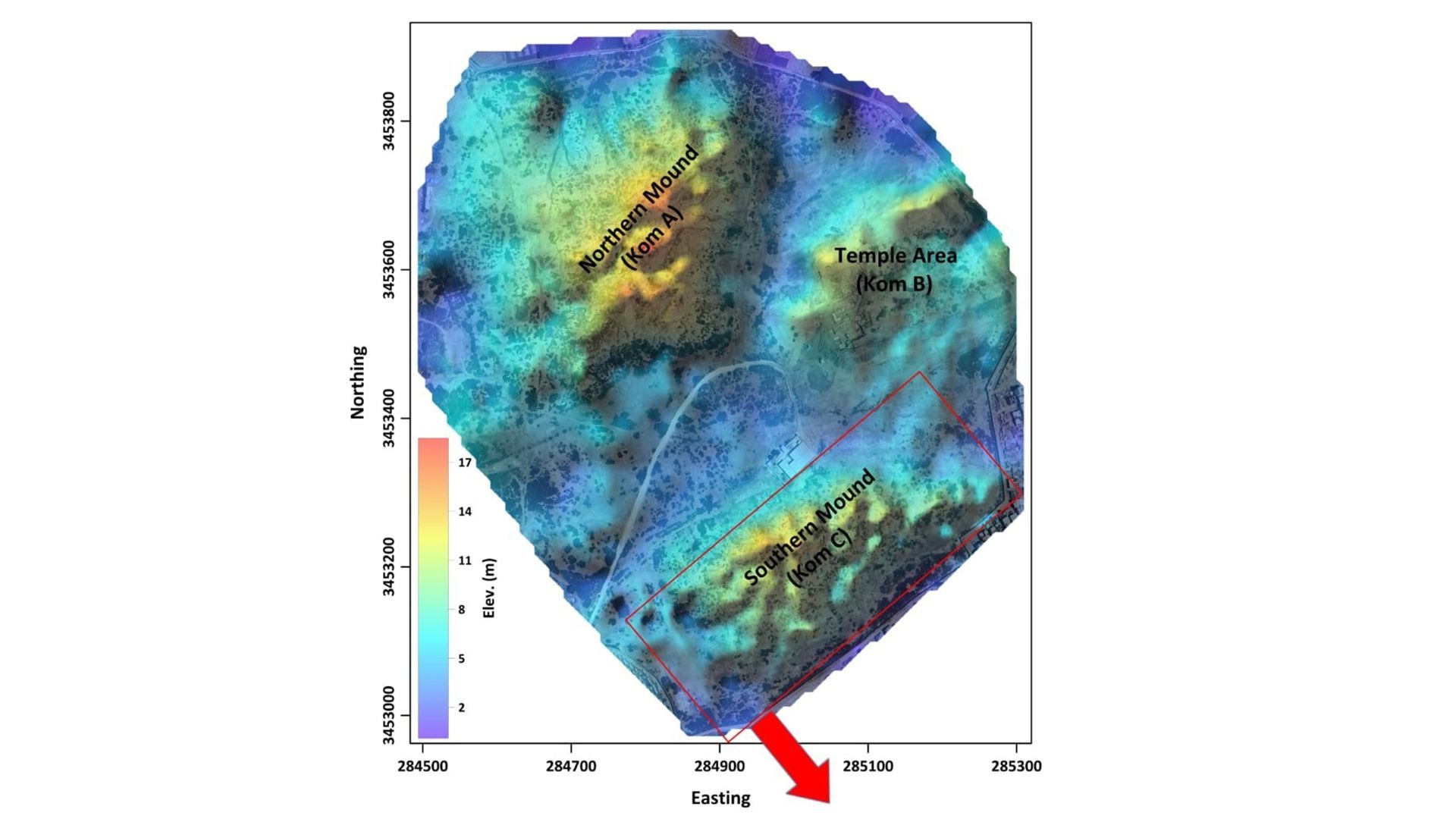
Buried for 2,600 years beneath Nile mud, a massive ancient Egyptian complex was just found — from space

Satellite radar and underground electrical scans have revealed a 2,600-year-old structure at Buto, one of ancient Egypt's most sacred cities. The real surprise wasn't the walls — but what was underneath them.

Lean: Center Fact-focusedFactuality: HighCountry: United StatesFunding: CorporateOwner: Future US
  • The Daily Beast Massive Ancient Secret Spotted Beneath Egypt From Space

    Abouarab et al., Acta Geophysica Scientists have discovered a giant, 2,600-year-old structure buried in the Nile Delta using satellite radar technology. According to People , the complex, which measures 420 feet long...

    Lean: Left Fact-focusedFactuality: Mostly factualCountry: United StatesFunding: CorporateOwner: IAC
Full coverage
Coverage breakdown
Funding
Corporate100%
Countries
United States100%
Media ownership
Future US50%
IAC50%
Avg reliability70
Low-credibility share0%
Fact / opinion2/0
State media0%
More analysis
Truth score: 54 (Limited corroboration) Propaganda risk: 0 Trending: Low Sources: 2 Reliability: 70 Bias severity: 0 Risk: 0Sentiment: 0Sensationalism: 12 Amplification: 0

How we score

Like
Science
2 sources

Who is covering this

Google NewsCenterNewsCenter
Truth score 50
Centre 100%100%
Google NewsCenter

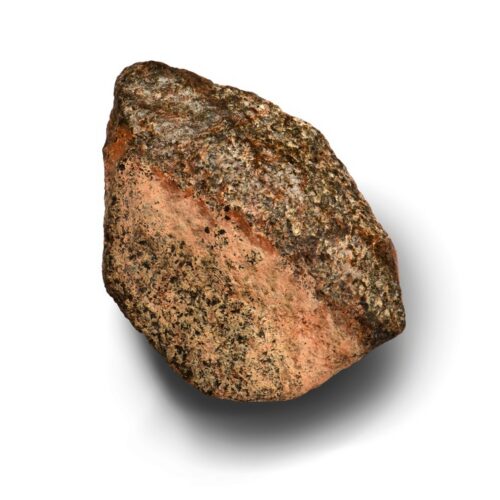
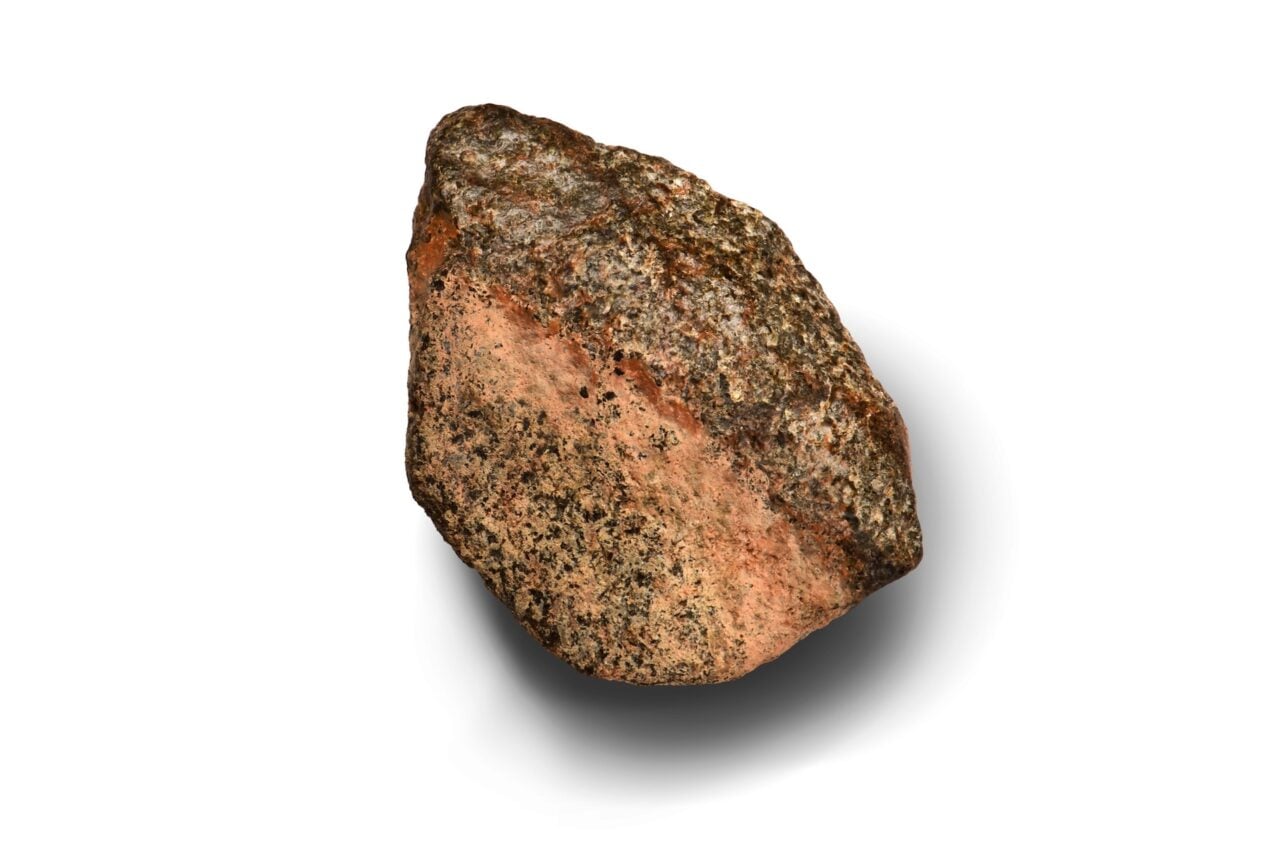
4.1 billion-year-old Martian meteorite holds clues to the red planet’s watery past

4.1 billion-year-old Martian meteorite holds clues to the red planet’s watery past CNN 4-billion-year-old 'Rosetta Stone' found in Sahara Desert could unlock the secret history of water on Mars Space Scientists Determine Mysterious Pink...

Lean: Center Fact-focusedFactuality: HighCountry: United StatesFunding: Corporate
Full coverage
Coverage breakdown
Funding
Corporate100%
Countries
United States50%
India50%
Media ownership
Google News50%
Independent50%
Avg reliability70
Low-credibility share0%
Fact / opinion2/0
State media0%
More analysis
Truth score: 50 (Limited corroboration) Propaganda risk: 0 Trending: Low Sources: 2 Reliability: 70 Bias severity: 0 Risk: 0Sentiment: 0Sensationalism: 4 Amplification: 0

How we score

Like
Left 62%62%Centre 38%38%
Ars TechnicaLeans left

Rare meteorite from Mars gives us a view into its ancient crust

Minerals in the space rock provide hints about the early history of the red planet, when water was flowing on the surface. Covered by 9 outlets: 5 lean left, 3 are centre, 1 are not rated.

Lean: Leans left Fact-focusedFactuality: HighCountry: United StatesFunding: CorporateOwner: Condé Nast
+ 13 · Full coverage
Coverage breakdown
Funding
Corporate89%
Private11%
Countries
United States89%
India11%
Media ownership
Independent33%
Condé Nast22%
Paramount Global11%
Google News11%
NY Times Company11%
Avg reliability75
Low-credibility share0%
Fact / opinion18/0
State media0%
More analysis
Truth score: 78 (Corroborated) Propaganda risk: 0 Trending: Low Sources: 9 Reliability: 75 Bias severity: 100 Risk: 0Sentiment: 0Sensationalism: 1 Amplification: 0

How we score

Like
Business
2 sources

Who is covering this

NewsCenterPhysCenter
Truth score 48
Centre 100%100%
PhysCenter

Simulations cast doubt on unusual asteroid's 'dark comet' status

In 2031, Japan's Hayabusa2 spacecraft will arrive at the near-Earth asteroid 1998 KY26: a tiny body that is accelerating in a way that astronomers have struggled to explain. Some studies have suggested that the asteroid is pushed along...

Lean: Center Fact-focusedFactuality: Mostly factualCountry: United StatesFunding: CorporateOwner: Independent
Full coverage
Coverage breakdown
Funding
Corporate100%
Countries
India50%
United States50%
Media ownership
Independent100%
Avg reliability65
Low-credibility share0%
Fact / opinion2/0
State media0%
More analysis
Truth score: 48 (Limited corroboration) Propaganda risk: 0 Trending: Low Sources: 2 Reliability: 65 Bias severity: 0 Risk: 0Sentiment: 0Sensationalism: 4 Amplification: 0

How we score

Like
Centre 100%100%
PhysCenter

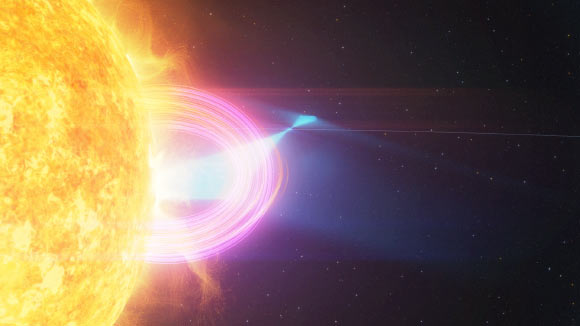
A rare star system emits radio signals every 8 minutes

Scientists at the Curtin University node at the International Center for Radio Astronomy Research (ICRAR) have linked mysterious radio pulses to an unusual pairing of stars—a dead star that spins every eight minutes and a star similar...

Lean: Center Fact-focusedFactuality: Mostly factualCountry: United StatesFunding: CorporateOwner: Independent
Full coverage
Coverage breakdown
Funding
Corporate100%
Countries
United States100%
Media ownership
Independent75%
Google News25%
Avg reliability70
Low-credibility share0%
Fact / opinion4/0
State media0%
More analysis
Truth score: 60 (Corroborated) Propaganda risk: 0 Trending: Low Sources: 4 Reliability: 70 Bias severity: 0 Risk: 0Sentiment: -75Sensationalism: 0 Amplification: 0

How we score

Like
Centre 100%100%
PhysCenter

Rare 4.1-billion-year-old Martian meteorite reveals clues to planet's ancient past

Scientists at the University of New Mexico have played a key role in identifying a rare, 4.1-billion-year-old Martian meteorite that provides new evidence that the red planet may have once had a wetter, Earth-like environment....

Lean: Center Fact-focusedFactuality: Mostly factualCountry: United StatesFunding: CorporateOwner: Independent
+ 2 · Full coverage
Coverage breakdown
Funding
Corporate100%
Countries
United States75%
India25%
Media ownership
Independent100%
Avg reliability65
Low-credibility share0%
Fact / opinion6/0
State media0%
More analysis
Truth score: 58 (Limited corroboration) Propaganda risk: 0 Trending: Low Sources: 4 Reliability: 65 Bias severity: 0 Risk: 0Sentiment: 0Sensationalism: 0 Amplification: 0

How we score

Like
Business
3 sources
Truth score 55
Centre 100%100%
PhysCenter

Physicists step closer to the 'Zeptoverse' after 42-year particle search

Physicists have found evidence of a particle decay so rare that it is expected to occur only around once in every 10 billion "beauty" particles. Covered by 3 outlets: 3 are centre.

Lean: Center Fact-focusedFactuality: Mostly factualCountry: United StatesFunding: CorporateOwner: Independent
+ 5 · Full coverage
Coverage breakdown
Funding
Corporate100%
Countries
United States67%
India33%
Media ownership
Independent67%
Google News33%
Avg reliability68
Low-credibility share0%
Fact / opinion8/0
State media0%
More analysis
Truth score: 55 (Limited corroboration) Propaganda risk: 0 Trending: Low Sources: 3 Reliability: 68 Bias severity: 0 Risk: 0Sentiment: 12Sensationalism: 3 Amplification: 0

How we score

Like
Left 33%33%Centre 67%67%
GizmodoLeans left

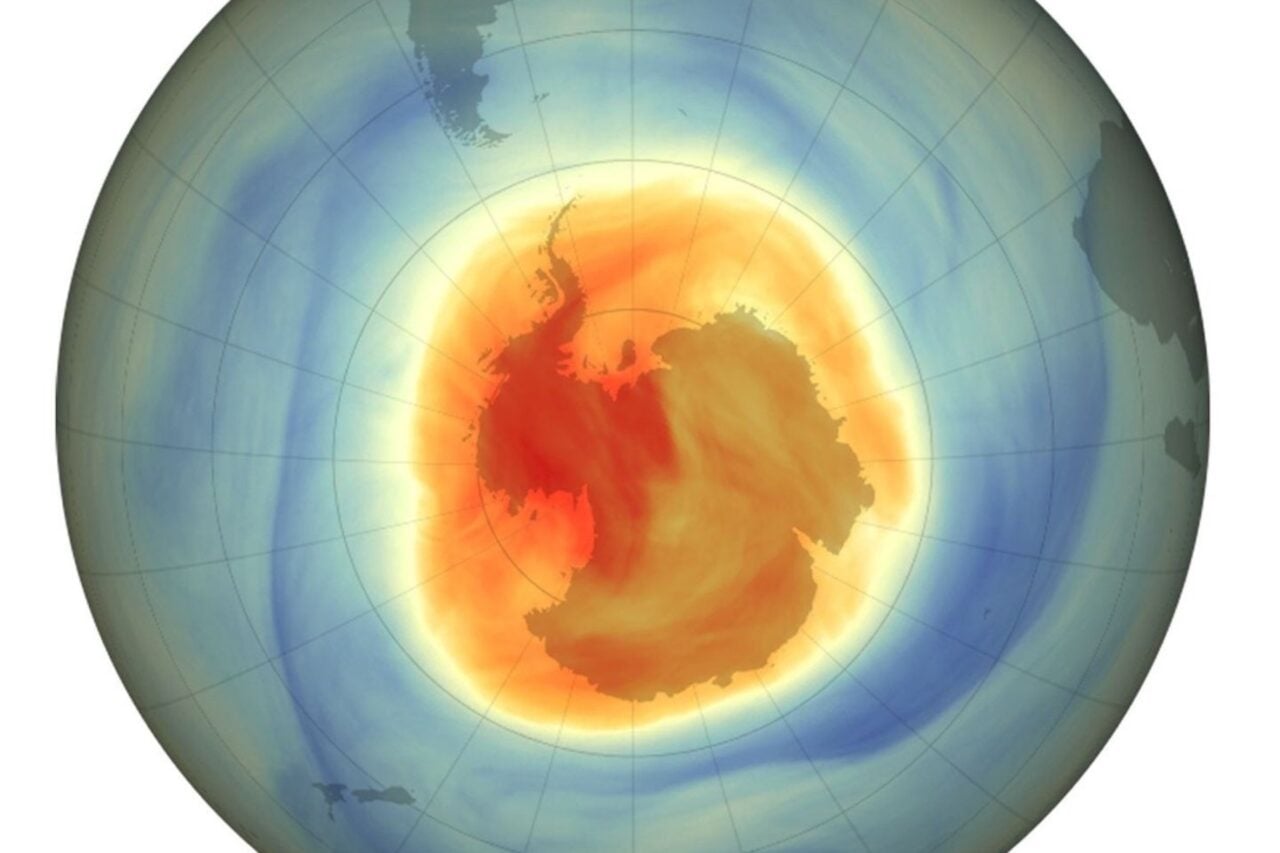
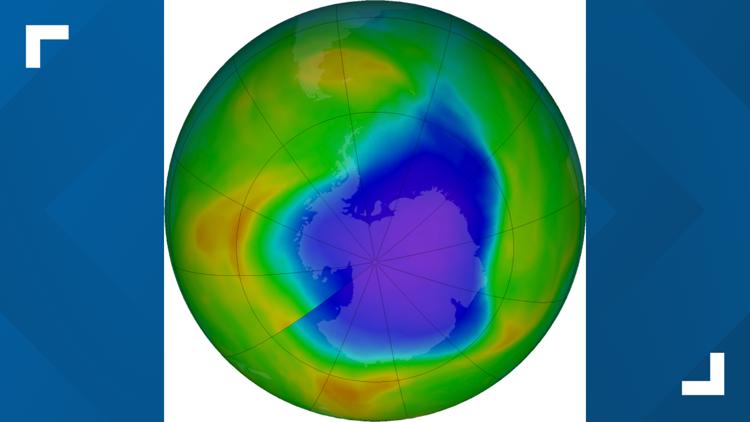
The Ozone Hole Is the Largest It’s Been in a Decade. The Reason May Surprise You

Scientists at NASA and NOAA found the hole to be nearly three times the size of the United States this year. Atypical weather conditions caused the Antarctic ozone hole to grow to an unusually large size in 2026, NOAA and NASA...

Lean: Leans left Fact-focusedFactuality: Mostly factualCountry: United StatesFunding: CorporateOwner: G/O Media
+ 3 · Full coverage
Coverage breakdown
Funding
Corporate75%
Not recorded25%
Countries
United States88%
United Kingdom12%
Media ownership
Independent25%
Google News12%
G/O Media12%
KING-TV12%
WGRZ12%
Avg reliability70
Low-credibility share0%
Fact / opinion8/0
State media0%
More analysis
Truth score: 74 (Corroborated) Propaganda risk: 0 Trending: Low Sources: 8 Reliability: 70 Bias severity: 0 Risk: 0Sentiment: 25Sensationalism: 5 Amplification: 0

How we score

Like
Left 25%25%Centre 75%75%
LiveCenter

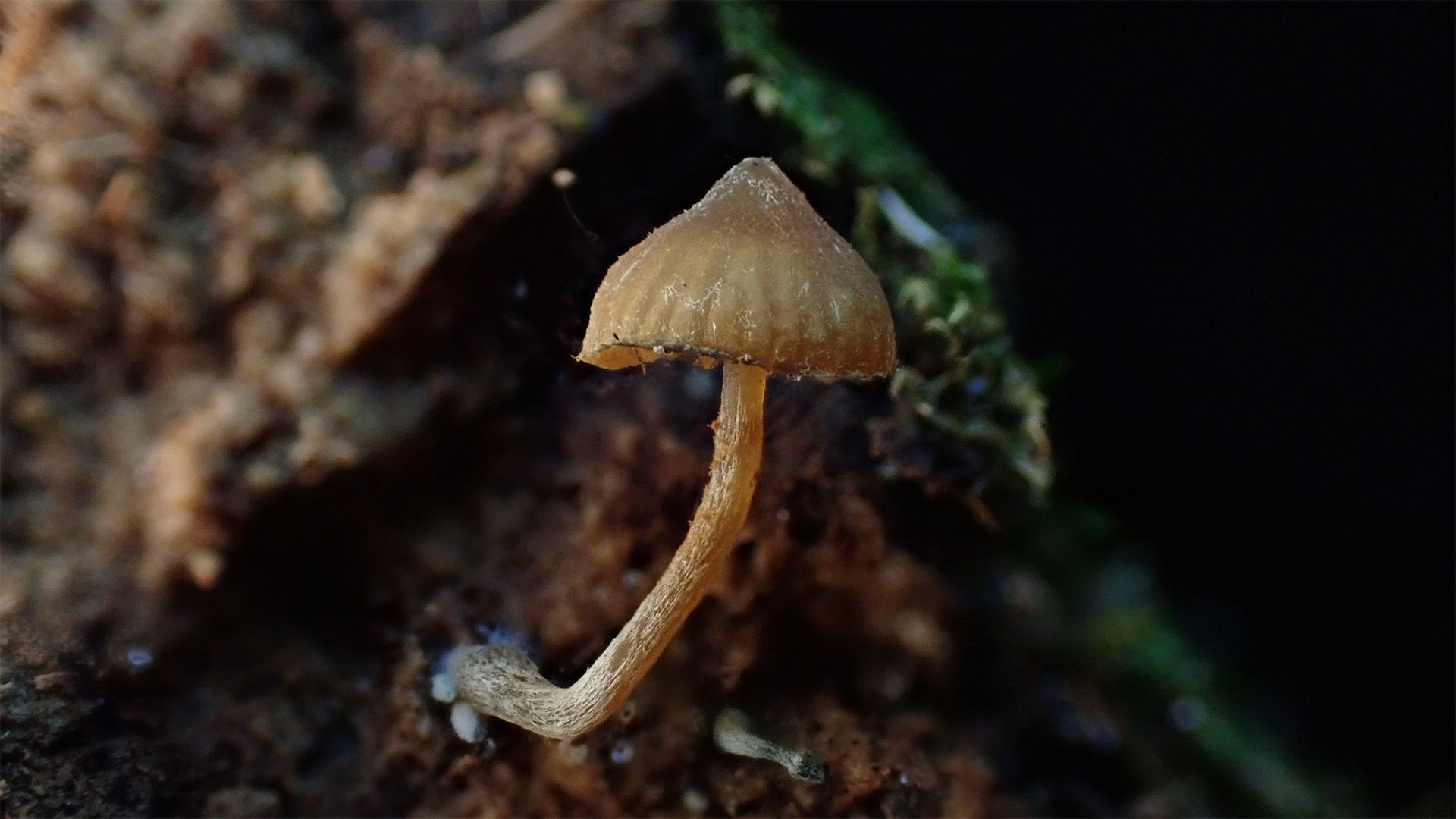
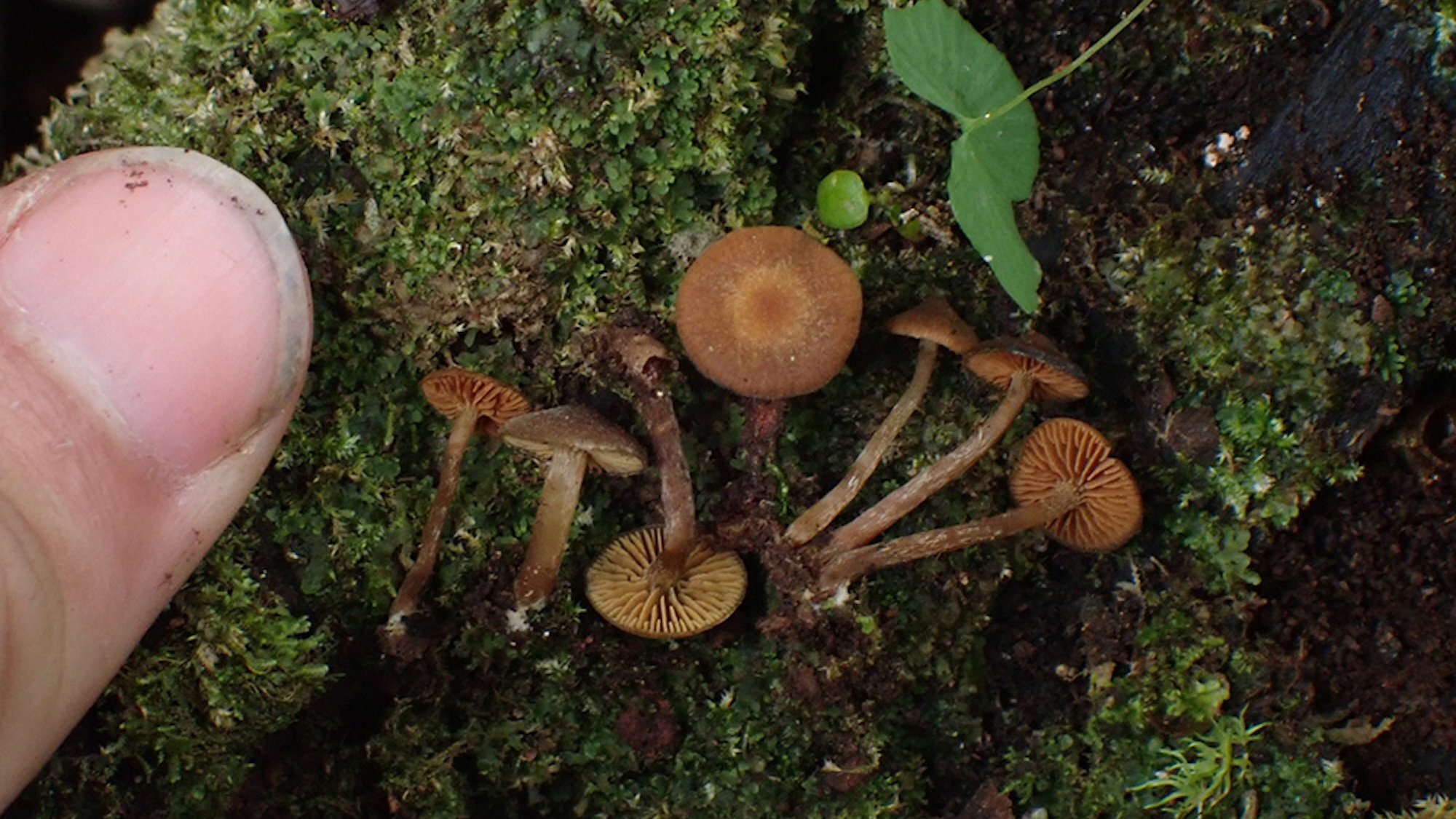
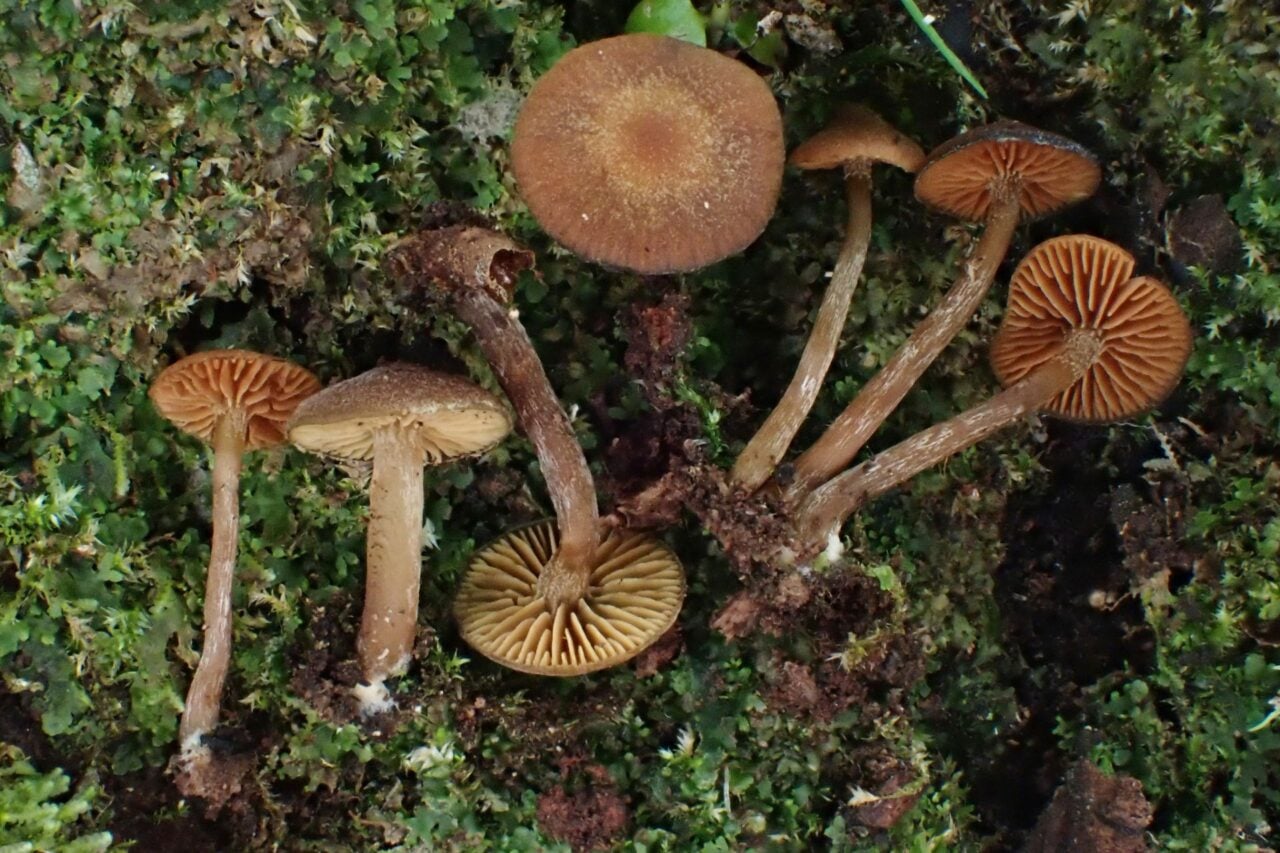
Florida's 'dark magic' mushrooms have a deadly combination of chemicals never seen before

Scientists have discovered that a known mushroom, Galerina indica , contains both psychedelic chemicals and deadly toxins. Found in Florida, the “dark magic mushroom” is the first species known to have both toxic and psychedelic...

Lean: Center Fact-focusedFactuality: HighCountry: United StatesFunding: CorporateOwner: Future US
Full coverage
Coverage breakdown
Funding
Corporate100%
Countries
United States100%
Media ownership
Independent50%
Future US25%
G/O Media25%
Avg reliability69
Low-credibility share0%
Fact / opinion4/0
State media0%
More analysis
Truth score: 64 (Corroborated) Propaganda risk: 0 Trending: Low Sources: 4 Reliability: 69 Bias severity: 0 Risk: 0Sentiment: 0Sensationalism: 0 Amplification: 0

How we score

Like
Science
1 source

Who is covering this

PhysCenter
Truth score 38
Centre 100%100%
PhysCenter

Shared data ecosystem could help scientists explore new biological connections

Scientists generate vast amounts of research data, but connecting information across studies can be difficult. The NIH Common Fund Data Ecosystem is working to change that by making research data sets from 18 NIH programs easier to...

Lean: Center Fact-focusedFactuality: Mostly factualCountry: United StatesFunding: CorporateOwner: Independent
Full coverage
Coverage breakdown
Funding
Corporate100%
Countries
United States100%
Media ownership
Independent100%
Avg reliability65
Low-credibility share0%
Fact / opinion1/0
State media0%
More analysis
Truth score: 38 (Weakly supported) Propaganda risk: 0 Trending: Low Sources: 1 Reliability: 65 Bias severity: 0 Risk: 0Sentiment: 0Sensationalism: 0 Amplification: 0

How we score

Like
1 source
Truth score 423
Left 100%100%
The Sydney Morning HeraldLeans left

US President Donald Trump has become the world’s accidental climate saviour.

Subscribe to our YouTube channel: / smh Read the best of our

Lean: Leans left VideoFactuality: HighCountry: AustraliaFunding: CorporateOwner: Nine Entertainment
+ 2 · Full coverage
Coverage breakdown
Funding
Corporate100%
Countries
Australia100%
Media ownership
Nine Entertainment100%
Avg reliability78
Low-credibility share0%
Fact / opinion3/0
State media0%
More analysis
Truth score: 42 (Limited corroboration) Propaganda risk: 0 Trending: Low Sources: 1 Reliability: 78 Bias severity: 0 Risk: 0Sentiment: 0Sensationalism: 0 Amplification: 0

How we score

Like
Left 31%31%Centre 55%55%Right 14%14%
BBC NewsCenter

Scientists predict 2026 hottest year on record as climate talks begin

Scientists are predictng this could be the hottest year on record as the COP31 climate summit opens. Increased heat will supercharge extreme weather events, warns UN agency as Cop31 climate summit begins Heat is accumulating in Earth’s...

Lean: Center Fact-focusedFactuality: Very highCountry: United KingdomFunding: Public broadcasterOwner: BBC (UK Government)
+ 99 · Full coverage
Coverage breakdown
Funding
Corporate55%
Public broadcaster14%
Private14%
Nonprofit7%
State-funded5%
Countries
United States39%
India14%
United Kingdom11%
Canada11%
Australia7%
Media ownership
Independent45%
Scott Trust5%
FRANCE 24 English5%
Axel Springer5%
AP (Cooperative)5%
Avg reliability74
Low-credibility share2%
Fact / opinion104/0
State media4%
More analysis
Truth score: 90 (Strongly corroborated) Propaganda risk: 0 Trending: Low Sources: 44 Reliability: 74 Bias severity: 37 Risk: 2Sentiment: -22Sensationalism: 2 Amplification: 0

How we score

Like
Science
2 sources

Who is covering this

PhysCenterDaily MailCenter
Truth score 47
Centre 100%100%
PhysCenter

Scientists find some of the 'very last wild and healthy ecosystems' in the world's oceans untouched by humans

Humans have left their mark on virtually every place on the planet, from the deep sea to the peaks of the highest mountains. But a few very remote atolls in the Pacific Ocean may be exceptions. A new Frontiers in Marine Science study...

Lean: Center Fact-focusedFactuality: Mostly factualCountry: United StatesFunding: CorporateOwner: Independent
Full coverage
Coverage breakdown
Funding
Corporate100%
Countries
United Kingdom50%
United States50%
Media ownership
DMGT50%
Independent50%
Avg reliability64
Low-credibility share0%
Fact / opinion2/0
State media0%
More analysis
Truth score: 47 (Limited corroboration) Propaganda risk: 0 Trending: Low Sources: 2 Reliability: 64 Bias severity: 0 Risk: 0Sentiment: 0Sensationalism: 0 Amplification: 0

How we score

Like
Climate
2 sources

Who is covering this

Associated PressCenterVoxLeft
Truth score 591
Left 50%50%Centre 50%50%
Associated PressCenter

Scientists reverse coral bleaching in a lab, offering hope for dying coral reefs

Coral reef survival is under threat from climate change. But at Stanford University's Hopkins Marine Laboratory, researchers are reviving bleached coral by putting them in contact with live healthy coral.

Lean: Center VideoFactuality: Very highCountry: United StatesFunding: NonprofitOwner: AP (Cooperative)
  • Vox Could this bacteria save coral reefs from the heat?

    As extreme heat destroys more coral reefs, scientists are racing to find new — and sometimes unexpected — ways to keep them alive. Some are trying to encourage corals to reproduce more, while others are testing for...

    Lean: Left Fact-focusedFactuality: HighCountry: United StatesFunding: CorporateOwner: Vox Media
Full coverage
Coverage breakdown
Funding
Nonprofit50%
Corporate50%
Countries
United States100%
Media ownership
Vox Media50%
AP (Cooperative)50%
Avg reliability82
Low-credibility share0%
Fact / opinion2/0
State media0%
More analysis
Truth score: 59 (Limited corroboration) Propaganda risk: 0 Trending: Low Sources: 2 Reliability: 82 Bias severity: 0 Risk: 0Sentiment: 0Sensationalism: 3 Amplification: 0

How we score

Like
Science
2 sources

Who is covering this

Bangor DailyLeans leftPhysCenter
Truth score 54
Left 50%50%Centre 50%50%
Bangor DailyLeans left

Scientists discovered an unknown baby right whale off Canada. They say it’s a cause for joy

PORTLAND, Maine (AP) — It would seem difficult to miss a 15,000-pound (6,804-kilogram) baby, but for months scientists who study rare whales did just that, and now they couldn’t be happier. Researchers in Canada captured images of an...

Lean: Leans left Fact-focusedFactuality: HighCountry: United StatesFunding: PrivateOwner: Bangor Publishing Co.
+ 1 · Full coverage
Coverage breakdown
Funding
Private50%
Corporate50%
Countries
United States100%
Media ownership
Bangor Publishing Co.50%
Independent50%
Avg reliability68
Low-credibility share0%
Fact / opinion3/0
State media0%
More analysis
Truth score: 54 (Limited corroboration) Propaganda risk: 0 Trending: Low Sources: 2 Reliability: 68 Bias severity: 0 Risk: 0Sentiment: 0Sensationalism: 0 Amplification: 0

How we score

Like