INDBInternet News Database 2.5 Updated just now · 292 sources Show or hide images Light or dark

Results for “Scientists Find Two Giant”

Science
2 sources

Who is covering this

PhysCenterNewsCenter
Truth score 48
Centre 100%100%
PhysCenter

Seismic imaging reveals double slab tearing at a subduction–collision transition

An international research team has used seismic imaging to identify two slab tears beneath the Zagros–Makran transition zone located in southeastern Iran near the Strait of Hormuz. The findings suggest that the tears formed through...

Lean: Center Fact-focusedFactuality: Mostly factualCountry: United StatesFunding: CorporateOwner: Independent
Full coverage
Coverage breakdown
Funding
Corporate100%
Countries
United States50%
India50%
Media ownership
Independent100%
Avg reliability65
Low-credibility share0%
Fact / opinion2/0
State media0%
More analysis
Truth score: 48 (Limited corroboration) Propaganda risk: 0 Trending: Low Sources: 2 Reliability: 65 Bias severity: 0 Risk: 0Sentiment: 0Sensationalism: 0 Amplification: 0

How we score

Like
Business
1 source

Who is covering this

NewsCenter
Truth score 38
Centre 100%100%
NewsCenter

Scientists find rare rock formed by carbon-rich asteroid impact in Moon dust that may explain how water r

Scientists find rare rock formed by carbon-rich asteroid impact in Moon dust that may explain how water r The Times of India

Lean: Center Fact-focusedFactuality: Mostly factualCountry: IndiaFunding: CorporateOwner: Independent
Full coverage
Coverage breakdown
Funding
Corporate100%
Countries
India100%
Media ownership
Independent100%
Avg reliability65
Low-credibility share0%
Fact / opinion1/0
State media0%
More analysis
Truth score: 38 (Weakly supported) Propaganda risk: 0 Trending: Low Sources: 1 Reliability: 65 Bias severity: 0 Risk: 0Sentiment: 0Sensationalism: 0 Amplification: 0

How we score

Like
Health
1 source

Who is covering this

NewsweekCenter
Truth score 40
Centre 100%100%
NewsweekCenter

Scientists Find Clue to Why Alzheimer's Can Progress Faster

The lead author told Newsweek delays could be especially consequential for younger Alzheimer's patients.

Lean: Center Fact-focusedFactuality: Mostly factualCountry: United StatesFunding: PrivateOwner: Newsweek Media Group
Full coverage
Coverage breakdown
Funding
Private100%
Countries
United States100%
Media ownership
Newsweek Media Group100%
Avg reliability70
Low-credibility share0%
Fact / opinion1/0
State media0%
More analysis
Truth score: 40 (Limited corroboration) Propaganda risk: 0 Trending: Low Sources: 1 Reliability: 70 Bias severity: 0 Risk: 0Sentiment: 0Sensationalism: 0 Amplification: 0

How we score

Like
Science
1 source

Who is covering this

LiveCenter
Truth score 41
Centre 100%100%
LiveCenter

Scientists find the best evidence yet of potentially habitable volcanic vents on Mars

Magma and a possible environment for ancient life might be present on Mars in the region of a large volcano on the Red Planet.

Lean: Center Fact-focusedFactuality: HighCountry: United StatesFunding: CorporateOwner: Future US
Full coverage
Coverage breakdown
Funding
Corporate100%
Countries
United States100%
Media ownership
Future US100%
Avg reliability75
Low-credibility share0%
Fact / opinion1/0
State media0%
More analysis
Truth score: 41 (Limited corroboration) Propaganda risk: 0 Trending: Low Sources: 1 Reliability: 75 Bias severity: 0 Risk: 0Sentiment: 0Sensationalism: 0 Amplification: 0

How we score

Like
Science
1 source

Who is covering this

PhysCenter
Truth score 38
Centre 100%100%
PhysCenter

Scientists find that a 10-millisecond flash could help build more sensitive gas sensors

Nitrogen dioxide is a harmful gas that requires sensitive detection. Researchers used intense light pulses lasting 10 milliseconds to make molybdenum disulfide flakes and anchor isolated metal atoms in one step. Adding platinum improved...

Lean: Center Fact-focusedFactuality: Mostly factualCountry: United StatesFunding: CorporateOwner: Independent
Full coverage
Coverage breakdown
Funding
Corporate100%
Countries
United States100%
Media ownership
Independent100%
Avg reliability65
Low-credibility share0%
Fact / opinion1/0
State media0%
More analysis
Truth score: 38 (Weakly supported) Propaganda risk: 0 Trending: Low Sources: 1 Reliability: 65 Bias severity: 0 Risk: 0Sentiment: 0Sensationalism: 0 Amplification: 0

How we score

Like
Science
1 source

Who is covering this

The HinduLeans left
Truth score 43
Left 100%100%
The HinduLeans left

Indian scientists find new gateway in plants’ alarm system

Insect pests cause roughly 20% of global annual crop losses, a figure projected to rise with warming, and crop protection still leans heavily on chemical insecticides. Learning how plants sense attack could point to crops that defend...

Lean: Leans left Fact-focusedFactuality: HighCountry: IndiaFunding: PrivateOwner: The Hindu Group
Full coverage
Coverage breakdown
Funding
Private100%
Countries
India100%
Media ownership
The Hindu Group100%
Avg reliability80
Low-credibility share0%
Fact / opinion1/0
State media0%
More analysis
Truth score: 43 (Limited corroboration) Propaganda risk: 0 Trending: Low Sources: 1 Reliability: 80 Bias severity: 0 Risk: 0Sentiment: -100Sensationalism: 0 Amplification: 0

How we score

Like
Science
1 source

Who is covering this

The New York TimesLeft
Truth score 46
Left 100%100%
The New York TimesLeft

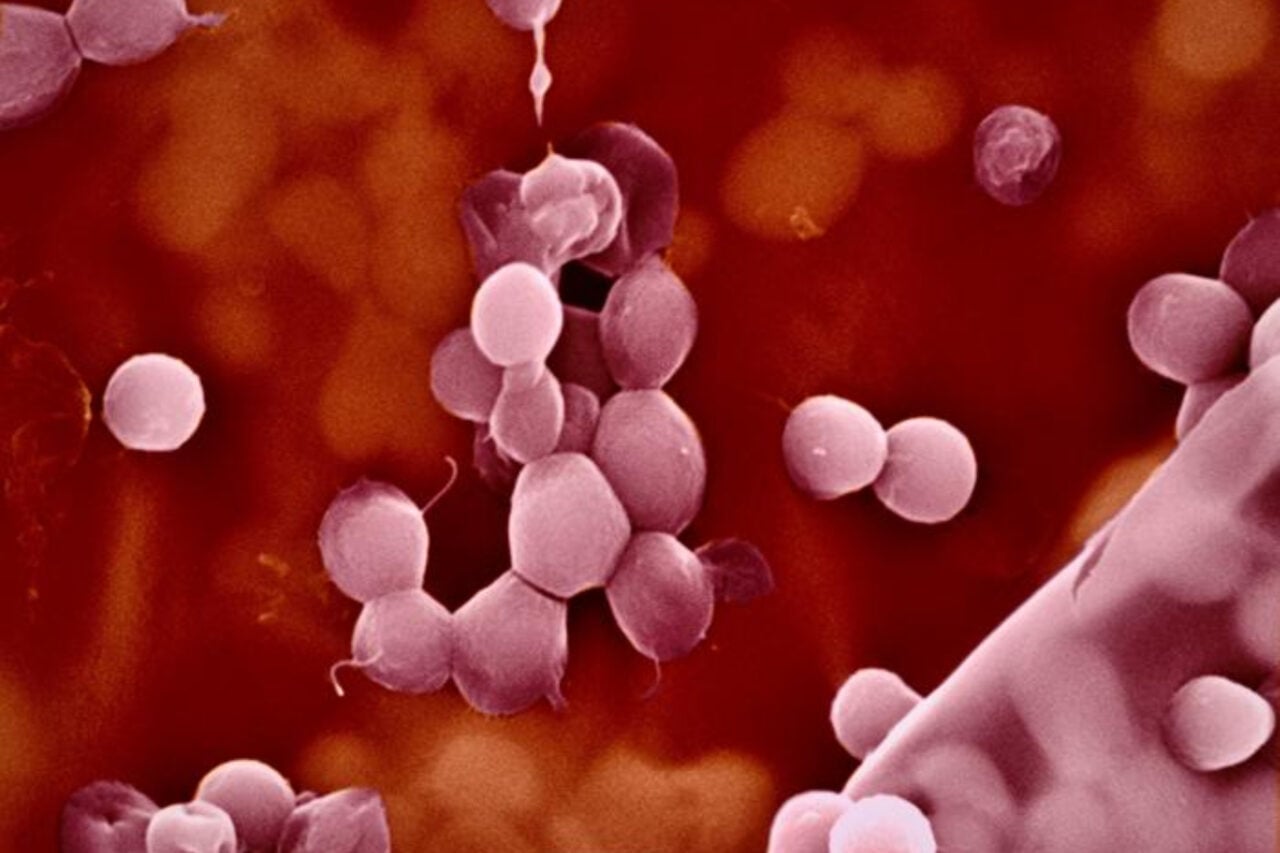
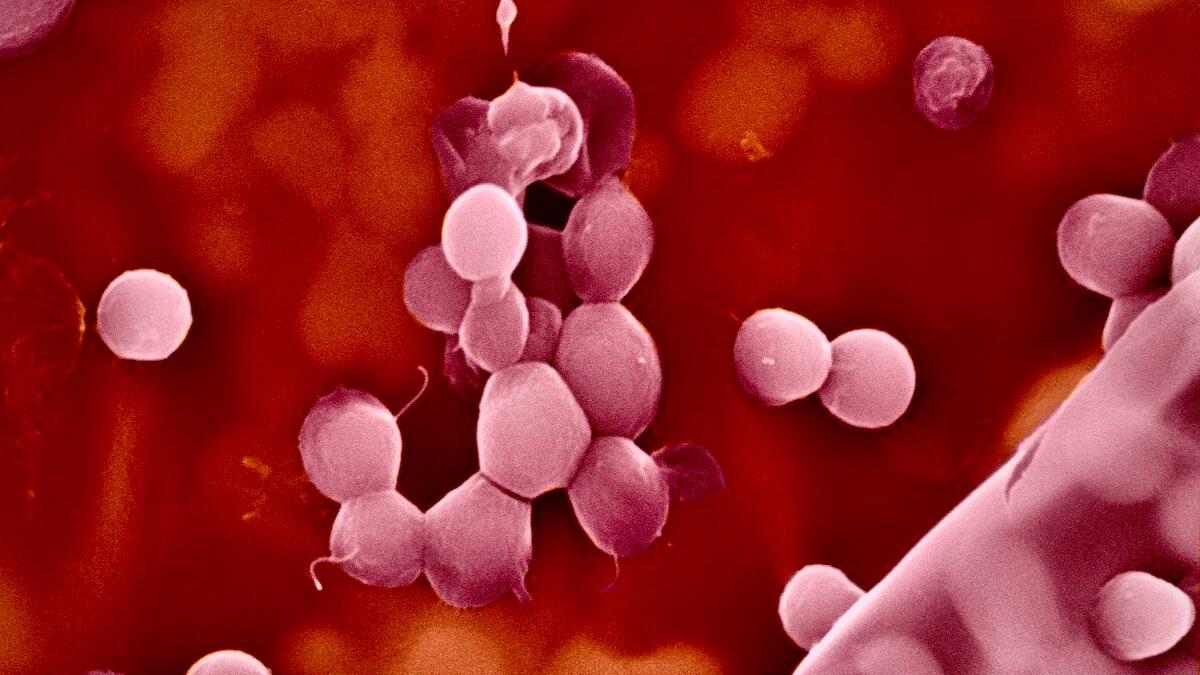
Did These Scientists Find Evidence of Blood in a Dinosaur Bone?

Mineralized “structures” discovered in the bone were the fossilized remains of red blood cells, according to a recent study. Other experts aren’t so sure.

Lean: Left Fact-focusedFactuality: Very highCountry: United StatesFunding: PrivateOwner: NY Times Company
Full coverage
Coverage breakdown
Funding
Private100%
Countries
United States100%
Media ownership
NY Times Company100%
Avg reliability88
Low-credibility share0%
Fact / opinion1/0
State media0%
More analysis
Truth score: 46 (Limited corroboration) Propaganda risk: 0 Trending: Low Sources: 1 Reliability: 88 Bias severity: 0 Risk: 0Sentiment: 0Sensationalism: 6 Amplification: 0

How we score

Like
Technology
1 source

Who is covering this

GizmodoLeans left
Truth score 40
Left 100%100%
GizmodoLeans left

Your Cat May Be Even More Like a Baby Than We Knew, Scientists Find

Scientists sorted cats into four personality types, including one that shows the same mix of shyness and curiosity around strangers as human babies.

Lean: Leans left Fact-focusedFactuality: Mostly factualCountry: United StatesFunding: CorporateOwner: G/O Media
Full coverage
Coverage breakdown
Funding
Corporate100%
Countries
United States100%
Media ownership
G/O Media100%
Avg reliability70
Low-credibility share0%
Fact / opinion1/0
State media0%
More analysis
Truth score: 40 (Limited corroboration) Propaganda risk: 0 Trending: Low Sources: 1 Reliability: 70 Bias severity: 0 Risk: 0Sentiment: 0Sensationalism: 0 Amplification: 0

How we score

Like
Business
3 sources
Truth score 55
Centre 100%100%
PhysCenter

Physicists step closer to the 'Zeptoverse' after 42-year particle search

Physicists have found evidence of a particle decay so rare that it is expected to occur only around once in every 10 billion "beauty" particles. Covered by 3 outlets: 3 are centre.

Lean: Center Fact-focusedFactuality: Mostly factualCountry: United StatesFunding: CorporateOwner: Independent
+ 5 · Full coverage
Coverage breakdown
Funding
Corporate100%
Countries
United States67%
India33%
Media ownership
Independent67%
Google News33%
Avg reliability68
Low-credibility share0%
Fact / opinion8/0
State media0%
More analysis
Truth score: 55 (Limited corroboration) Propaganda risk: 0 Trending: Low Sources: 3 Reliability: 68 Bias severity: 0 Risk: 0Sentiment: 12Sensationalism: 3 Amplification: 0

How we score

Like
Science
1 source

Who is covering this

KIRO-TVNot rated
Truth score 34
No rated outlets yet
KIRO-TVNot rated

Scientists looking to find relatives based off DNA of partial skull found in Mountlake Terrace

Forensic genetic genealogists have processed the DNA of a partial skull found in a home that was sold in Mountlake Terrace in 2025.

Lean: Not rated Fact-focusedCountry: United States
Full coverage
Coverage breakdown
Funding
Not recorded100%
Countries
United States100%
Media ownership
KIRO-TV100%
Avg reliability-
Low-credibility share0%
Fact / opinion1/0
State media0%
More analysis
Truth score: 34 (Weakly supported) Propaganda risk: 0 Trending: Low Sources: 1 Reliability: Not rated Bias severity: 0 Risk: 0Sentiment: 0Sensationalism: 0 Amplification: 0

How we score

Like
Science
1 source

Who is covering this

PhysCenter
Truth score 38
Centre 100%100%
PhysCenter

Scientists build whole-Earth simulation to help find life on other planets

It's a dizzyingly busy time for scientists searching for life on distant planets. To date, astronomers have cataloged more than 6,000 planets beyond our solar system and are searching the atmospheres of the most promising worlds for...

Lean: Center Fact-focusedFactuality: Mostly factualCountry: United StatesFunding: CorporateOwner: Independent
Full coverage
Coverage breakdown
Funding
Corporate100%
Countries
United States100%
Media ownership
Independent100%
Avg reliability65
Low-credibility share0%
Fact / opinion1/0
State media0%
More analysis
Truth score: 38 (Weakly supported) Propaganda risk: 0 Trending: Low Sources: 1 Reliability: 65 Bias severity: 0 Risk: 0Sentiment: 0Sensationalism: 0 Amplification: 0

How we score

Like
Business
1 source

Who is covering this

NewsCenter
Truth score 38
Centre 100%100%
NewsCenter

Scientists identify a completely new type of rock in a Martian meteorite and find garnet on Mars for the

Scientists identify a completely new type of rock in a Martian meteorite and find garnet on Mars for the The Times of India

Lean: Center Fact-focusedFactuality: Mostly factualCountry: IndiaFunding: CorporateOwner: Independent
Full coverage
Coverage breakdown
Funding
Corporate100%
Countries
India100%
Media ownership
Independent100%
Avg reliability65
Low-credibility share0%
Fact / opinion1/0
State media0%
More analysis
Truth score: 38 (Weakly supported) Propaganda risk: 0 Trending: Low Sources: 1 Reliability: 65 Bias severity: 0 Risk: 0Sentiment: 0Sensationalism: 0 Amplification: 0

How we score

Like
Technology
1 source

Who is covering this

WIREDLeans left
Truth score 42
Left 100%100%
WIREDLeans left

Are Memories Transferable? Meet the Scientists Replicating an Infamous Study to Find Out

In the 1960’s, an odd experiment showed planarian worms could transfer memories by consuming each other. It was a sensational finding—that is until the worms stopped learning.

Lean: Leans left Fact-focusedFactuality: HighCountry: United StatesFunding: CorporateOwner: Condé Nast
Full coverage
Coverage breakdown
Funding
Corporate100%
Countries
United States100%
Media ownership
Condé Nast100%
Avg reliability78
Low-credibility share0%
Fact / opinion1/0
State media0%
More analysis
Truth score: 42 (Limited corroboration) Propaganda risk: 0 Trending: Low Sources: 1 Reliability: 78 Bias severity: 0 Risk: 0Sentiment: 0Sensationalism: 0 Amplification: 0

How we score

Like
Centre 100%100%
euronews (English)Center

‘Zeptoverse’: CERN scientists uncover evidence of extraordinarily rare particle decay

Scientists at CERN have found evidence of an extraordinarily rare particle decay using the Large Hadron Collider. Physicists with the LHCb Collaboration at CERN’s Large Hadron Collider announced today evidence for an extremely rare...

Lean: Center Fact-focusedFactuality: HighCountry: FranceFunding: CorporateOwner: Alpac Capital
Full coverage
Coverage breakdown
Funding
Corporate100%
Countries
United States67%
France33%
Media ownership
Independent67%
Alpac Capital33%
Avg reliability72
Low-credibility share0%
Fact / opinion3/0
State media0%
More analysis
Truth score: 56 (Limited corroboration) Propaganda risk: 0 Trending: Low Sources: 3 Reliability: 72 Bias severity: 0 Risk: 0Sentiment: 0Sensationalism: 5 Amplification: 0

How we score

Like
Science
2 sources

Who is covering this

Bangor DailyLeans leftPhysCenter
Truth score 54
Left 50%50%Centre 50%50%
Bangor DailyLeans left

Scientists discovered an unknown baby right whale off Canada. They say it’s a cause for joy

PORTLAND, Maine (AP) — It would seem difficult to miss a 15,000-pound (6,804-kilogram) baby, but for months scientists who study rare whales did just that, and now they couldn’t be happier. Researchers in Canada captured images of an...

Lean: Leans left Fact-focusedFactuality: HighCountry: United StatesFunding: PrivateOwner: Bangor Publishing Co.
+ 1 · Full coverage
Coverage breakdown
Funding
Private50%
Corporate50%
Countries
United States100%
Media ownership
Bangor Publishing Co.50%
Independent50%
Avg reliability68
Low-credibility share0%
Fact / opinion3/0
State media0%
More analysis
Truth score: 54 (Limited corroboration) Propaganda risk: 0 Trending: Low Sources: 2 Reliability: 68 Bias severity: 0 Risk: 0Sentiment: 0Sensationalism: 0 Amplification: 0

How we score

Like
Science
2 sources

Who is covering this

GizmodoLeans leftPopsciCenter
Truth score 54
Left 50%50%Centre 50%50%
GizmodoLeans left

Scientists Thought California Had as Few as 26,000 Insect Species. They Were Way Off

A statewide survey has revealed the true scale of California's insect biodiversity.

Lean: Leans left Fact-focusedFactuality: Mostly factualCountry: United StatesFunding: CorporateOwner: G/O Media
Full coverage
Coverage breakdown
Funding
Corporate100%
Countries
United States100%
Media ownership
Independent50%
G/O Media50%
Avg reliability68
Low-credibility share0%
Fact / opinion2/0
State media0%
More analysis
Truth score: 54 (Limited corroboration) Propaganda risk: 0 Trending: Low Sources: 2 Reliability: 68 Bias severity: 0 Risk: 0Sentiment: 0Sensationalism: 0 Amplification: 0

How we score

Like
Business
2 sources

Who is covering this

The HinduLeans leftNewsCenter
Truth score 55
Left 50%50%Centre 50%50%
The HinduLeans left

Scientists identify how a gut bacterium may trigger colon cancer

A study has uncovered a molecular mechanism through which a common gut bacterium’s toxin attacks colon cells, opening a possible path to protection

Lean: Leans left Fact-focusedFactuality: HighCountry: IndiaFunding: PrivateOwner: The Hindu Group
Full coverage
Coverage breakdown
Funding
Private50%
Corporate50%
Countries
India100%
Media ownership
Independent50%
The Hindu Group50%
Avg reliability72
Low-credibility share0%
Fact / opinion2/0
State media0%
More analysis
Truth score: 55 (Limited corroboration) Propaganda risk: 0 Trending: Low Sources: 2 Reliability: 72 Bias severity: 0 Risk: 0Sentiment: -50Sensationalism: 0 Amplification: 0

How we score

Like
Science
1 source

Who is covering this

The EconomistCenter
Truth score 46
Centre 100%100%
The EconomistCenter

Scientists are finally starting to understand endometriosis

That should lead to quicker diagnosis and better treatment

Lean: Center Fact-focusedFactuality: Very highCountry: United KingdomFunding: PrivateOwner: Economist Group
Full coverage
Coverage breakdown
Funding
Private100%
Countries
United Kingdom100%
Media ownership
Economist Group100%
Avg reliability88
Low-credibility share0%
Fact / opinion1/0
State media0%
More analysis
Truth score: 46 (Limited corroboration) Propaganda risk: 0 Trending: Low Sources: 1 Reliability: 88 Bias severity: 0 Risk: 0Sentiment: 0Sensationalism: 0 Amplification: 0

How we score

Like
Science
1 source

Who is covering this

GizmodoLeans left
Truth score 40
Left 100%100%
GizmodoLeans left

Scientists Gave an Earth Microbe Toxins Found on Mars. It Started Multiplying

The microorganism grew despite being stuck in oxygen-free, carbon-rich, low-pressure, and extremely salty environments.

Lean: Leans left Fact-focusedFactuality: Mostly factualCountry: United StatesFunding: CorporateOwner: G/O Media
Full coverage
Coverage breakdown
Funding
Corporate100%
Countries
United States100%
Media ownership
G/O Media100%
Avg reliability70
Low-credibility share0%
Fact / opinion1/0
State media0%
More analysis
Truth score: 40 (Limited corroboration) Propaganda risk: 0 Trending: Low Sources: 1 Reliability: 70 Bias severity: 0 Risk: 0Sentiment: 0Sensationalism: 0 Amplification: 0

How we score

Like
Technology
1 source

Who is covering this

DigitaltrendsCenter
Truth score 38
Centre 100%100%
DigitaltrendsCenter

Scientists turn to game theory in their search for alien life

Humans have wondered about life beyond our planet since ancient times, and researchers have worked hard for decades to find any definitive signs, to no avail. Now, researchers at the SETI Institute have turned to a rather interesting...

Lean: Center Fact-focusedFactuality: Mostly factualCountry: United StatesFunding: CorporateOwner: Independent
Full coverage
Coverage breakdown
Funding
Corporate100%
Countries
United States100%
Media ownership
Independent100%
Avg reliability65
Low-credibility share0%
Fact / opinion1/0
State media0%
More analysis
Truth score: 38 (Weakly supported) Propaganda risk: 0 Trending: Low Sources: 1 Reliability: 65 Bias severity: 0 Risk: 0Sentiment: 0Sensationalism: 0 Amplification: 0
How we score

Like
Technology
1 source

Who is covering this

WIREDLeans left
Truth score 42
Left 100%100%
WIREDLeans left

Scientists May Have Discovered a Massive Starless Galaxy

The promising candidate contains roughly 2 billion times the sun’s mass in hydrogen, yet appears to have no stars. Studying it could help answer questions that have vexed astronomers for years.

Lean: Leans left Fact-focusedFactuality: HighCountry: United StatesFunding: CorporateOwner: Condé Nast
Full coverage
Coverage breakdown
Funding
Corporate100%
Countries
United States100%
Media ownership
Condé Nast100%
Avg reliability78
Low-credibility share0%
Fact / opinion1/0
State media0%
More analysis
Truth score: 42 (Limited corroboration) Propaganda risk: 0 Trending: Low Sources: 1 Reliability: 78 Bias severity: 0 Risk: 0Sentiment: 0Sensationalism: 12 Amplification: 0

How we score

Like
Technology
1 source

Who is covering this

Zero HedgeRight
Truth score 16Factuality: Low
Right 100%100%
Zero HedgeRight

Scientists Grew Microbes In Mars-Like Conditions

Low reliability sourceElevated risk

Scientists Grew Microbes In Mars-Like Conditions - And They Didn't Just Survive... Salt-loving microbes kept for months in a lab version of the Martian underground did more than hang on. They grew, according to a study from University...

Lean: Right Fact-focusedFactuality: LowCountry: United StatesFunding: PrivateOwner: ABC Media Ltd
Full coverage
Coverage breakdown
Funding
Private100%
Countries
United States100%
Media ownership
ABC Media Ltd100%
Avg reliability30
Low-credibility share100%
Fact / opinion1/0
State media0%
More analysis
Truth score: 16 (Weakly supported) Propaganda risk: 0 Trending: Low Sources: 1 Reliability: 30 Bias severity: 0 Risk: 100Sentiment: 0Sensationalism: 0 Amplification: 0

How we score

Like
Business
1 source

Who is covering this

NewsCenter
Truth score 38
Centre 100%100%
NewsCenter

Scientists discover stunning new Amazon fish that may already be endangered

Scientists discover stunning new Amazon fish that may already be endangered Science Daily New fish species with a range of only 25 km² found in Brazil — ScienceDaily UA.NEWS Scientists discover Laimosemion laranja fish in threatened...

Lean: Center Fact-focusedFactuality: Mostly factualCountry: IndiaFunding: CorporateOwner: Independent
Full coverage
Coverage breakdown
Funding
Corporate100%
Countries
India100%
Media ownership
Independent100%
Avg reliability65
Low-credibility share0%
Fact / opinion1/0
State media0%
More analysis
Truth score: 38 (Weakly supported) Propaganda risk: 0 Trending: Low Sources: 1 Reliability: 65 Bias severity: 0 Risk: 0Sentiment: 0Sensationalism: 12 Amplification: 0

How we score

Like
Business
1 source

Who is covering this

NewsCenter
Truth score 38
Centre 100%100%
NewsCenter

Scientists studied a 444-million-year-old marine fossil that preserved its muscles, tendons and guts but lost its head, legs and outer shell; they named it after the discoverer's mother

Scientists studied a 444-million-year-old marine fossil that preserved its muscles, tendons and guts but lost its head, legs and outer shell; they named it after the discoverer's mother The Times of India

Lean: Center Fact-focusedFactuality: Mostly factualCountry: IndiaFunding: CorporateOwner: Independent
Full coverage
Coverage breakdown
Funding
Corporate100%
Countries
India100%
Media ownership
Independent100%
Avg reliability65
Low-credibility share0%
Fact / opinion1/0
State media0%
More analysis
Truth score: 38 (Weakly supported) Propaganda risk: 0 Trending: Low Sources: 1 Reliability: 65 Bias severity: 0 Risk: 0Sentiment: 0Sensationalism: 0 Amplification: 0

How we score

Like
Science
1 source

Who is covering this

Daily MailCenter
Truth score 37
Centre 100%100%
Daily MailCenter

Scientists reveal why you almost never dream of smartphones

Dreams can feature any number of wild and wacky scenarios, but there is one thing you will almost never see: your smartphone.

Lean: Center Fact-focusedFactuality: Mostly factualCountry: United KingdomFunding: CorporateOwner: DMGT
Full coverage
Coverage breakdown
Funding
Corporate100%
Countries
United Kingdom100%
Media ownership
DMGT100%
Avg reliability63
Low-credibility share0%
Fact / opinion1/0
State media0%
More analysis
Truth score: 37 (Weakly supported) Propaganda risk: 0 Trending: Low Sources: 1 Reliability: 63 Bias severity: 0 Risk: 0Sentiment: 0Sensationalism: 0 Amplification: 0

How we score

Like
Science
1 source

Who is covering this

PhysCenter
Truth score 38
Centre 100%100%
PhysCenter

Scientists discover new jellyfish species in waters off Alicante in Spain

The Mediterranean Sea still holds species unknown to science. One of them is Copula lucentia, a tiny jellyfish measuring just a few millimeters. Discovered off El Campello, in Alicante, it was formally described in 2024 by a research...

Lean: Center Fact-focusedFactuality: Mostly factualCountry: United StatesFunding: CorporateOwner: Independent
Full coverage
Coverage breakdown
Funding
Corporate100%
Countries
United States100%
Media ownership
Independent100%
Avg reliability65
Low-credibility share0%
Fact / opinion1/0
State media0%
More analysis
Truth score: 38 (Weakly supported) Propaganda risk: 0 Trending: Low Sources: 1 Reliability: 65 Bias severity: 0 Risk: 0Sentiment: 0Sensationalism: 0 Amplification: 0

How we score

Like
Science
1 source

Who is covering this

NewsweekCenter
Truth score 40
Centre 100%100%
NewsweekCenter

Scientists Asked People to Fake Smiles. Something Unexpected Happened

Professor Nicholas Coles wanted to investigate the impact of being forced to smile because of his experience in customer service.

Lean: Center Fact-focusedFactuality: Mostly factualCountry: United StatesFunding: PrivateOwner: Newsweek Media Group
Full coverage
Coverage breakdown
Funding
Private100%
Countries
United States100%
Media ownership
Newsweek Media Group100%
Avg reliability70
Low-credibility share0%
Fact / opinion1/0
State media0%
More analysis
Truth score: 40 (Limited corroboration) Propaganda risk: 0 Trending: Low Sources: 1 Reliability: 70 Bias severity: 0 Risk: 0Sentiment: 0Sensationalism: 0 Amplification: 0

How we score

Like
Science
1 source

Who is covering this

PopsciCenter
Truth score 38
Centre 100%100%
PopsciCenter

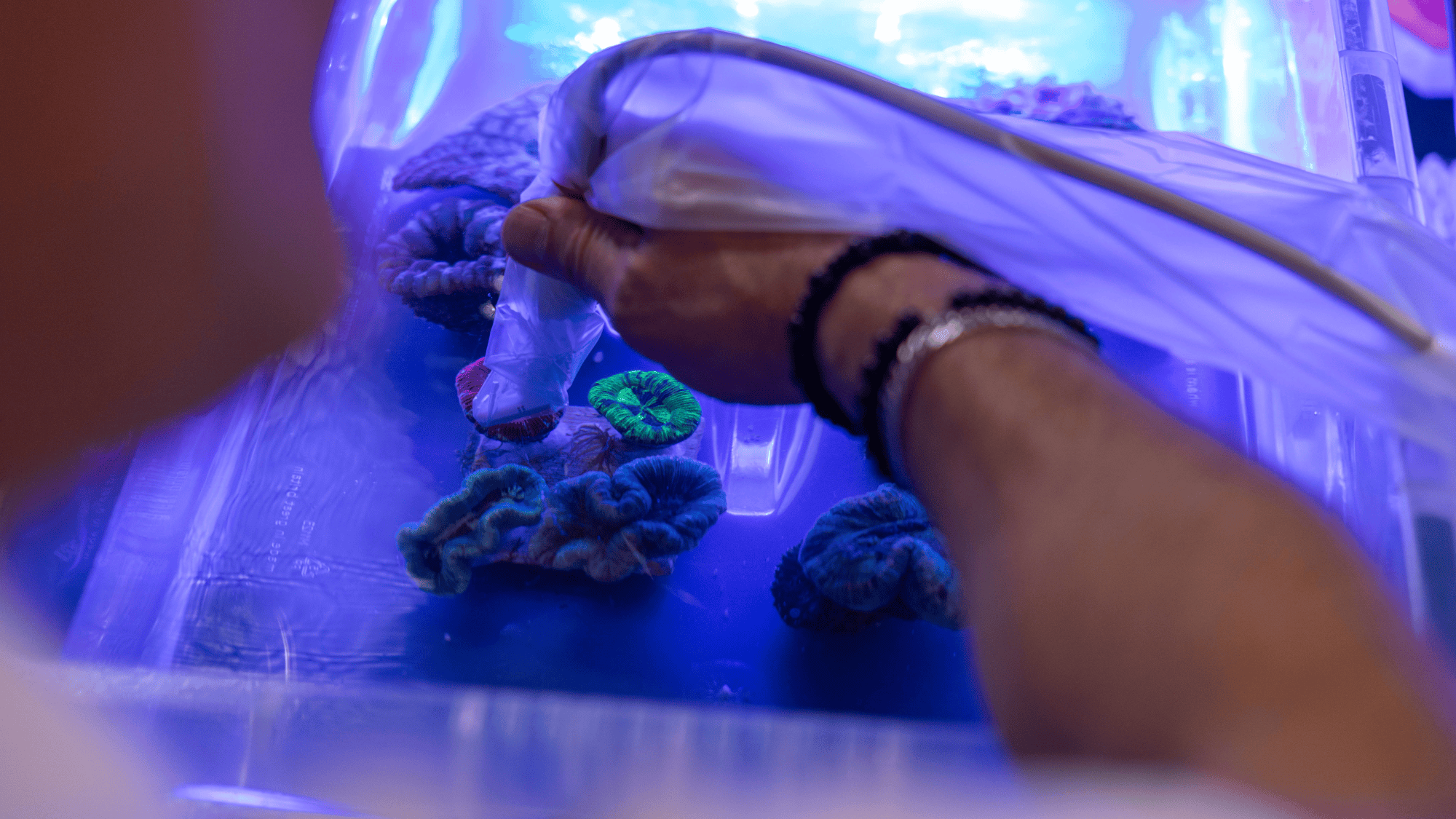
Scientists detect ‘pregnant’ coral using ultrasound device

The high-tech method offers a non-invasive way to monitor endangered coral populations.

Lean: Center Fact-focusedFactuality: Mostly factualCountry: United StatesFunding: CorporateOwner: Independent
Full coverage
Coverage breakdown
Funding
Corporate100%
Countries
United States100%
Media ownership
Independent100%
Avg reliability65
Low-credibility share0%
Fact / opinion1/0
State media0%
More analysis
Truth score: 38 (Weakly supported) Propaganda risk: 0 Trending: Low Sources: 1 Reliability: 65 Bias severity: 0 Risk: 0Sentiment: 0Sensationalism: 0 Amplification: 0

How we score

Like
Science
1 source

Who is covering this

PhysCenter
Truth score 38
Centre 100%100%
PhysCenter

Scientists achieve record-breaking low temperature on China's space station, paving the way for new physics experiments

Matter starts to behave differently at extremely low temperatures, creating conditions ideal for studying quantum physics and new states of matter. Now, researchers from China have achieved a new low-temperature record aboard their...

Lean: Center Fact-focusedFactuality: Mostly factualCountry: United StatesFunding: CorporateOwner: Independent
Full coverage
Coverage breakdown
Funding
Corporate100%
Countries
United States100%
Media ownership
Independent100%
Avg reliability65
Low-credibility share0%
Fact / opinion1/0
State media0%
More analysis
Truth score: 38 (Weakly supported) Propaganda risk: 0 Trending: Low Sources: 1 Reliability: 65 Bias severity: 0 Risk: 0Sentiment: 0Sensationalism: 0 Amplification: 0

How we score

Like
Science
1 source

Who is covering this

NewsweekCenter
Truth score 40
Centre 100%100%
NewsweekCenter

Scientists Identify Daily Step Count Linked to Better Cognitive Performance

Experts found that those who walked a higher number of steps each day had improved cognition by the end of a 14-year study.

Lean: Center Fact-focusedFactuality: Mostly factualCountry: United StatesFunding: PrivateOwner: Newsweek Media Group
Full coverage
Coverage breakdown
Funding
Private100%
Countries
United States100%
Media ownership
Newsweek Media Group100%
Avg reliability70
Low-credibility share0%
Fact / opinion1/0
State media0%
More analysis
Truth score: 40 (Limited corroboration) Propaganda risk: 0 Trending: Low Sources: 1 Reliability: 70 Bias severity: 0 Risk: 0Sentiment: 0Sensationalism: 0 Amplification: 0

How we score

Like