INDBInternet News Database 2.5 Updated 2 min ago · 392 sources Show or hide images Light or dark

Results for “Scientists Find Signs”

Science
1 source

Who is covering this

Google NewsCenter
Truth score 41
Centre 100%100%
Google NewsCenter

Scientists Find Signs of Renewed Rifting Beneath Southern Africa

Scientists Find Signs of Renewed Rifting Beneath Southern Africa Gizmodo An ancient failed rift is reawakening inside one of Africa's oldest landmasses Phys.org A 180-million-year-old crack is reopening inside one of Earth’s oldest...

Lean: Center Fact-focusedFactuality: HighCountry: United StatesFunding: Corporate
Full coverage
Coverage breakdown
Funding
Corporate100%
Countries
United States100%
Media ownership
Google News100%
Avg reliability75
Low-credibility share0%
Fact / opinion1/0
State media0%
More analysis
Truth score: 41 (Limited corroboration) Propaganda risk: 0 Trending: Low Sources: 1 Reliability: 75 Bias severity: 0 Risk: 0Sentiment: 0Sensationalism: 0 Amplification: 0

How we score

Like
Business
3 sources
Truth score 55
Centre 100%100%
PhysCenter

Physicists step closer to the 'Zeptoverse' after 42-year particle search

Physicists have found evidence of a particle decay so rare that it is expected to occur only around once in every 10 billion "beauty" particles. Covered by 3 outlets: 3 are centre.

Lean: Center Fact-focusedFactuality: Mostly factualCountry: United StatesFunding: CorporateOwner: Independent
+ 5 · Full coverage
Coverage breakdown
Funding
Corporate100%
Countries
United States67%
India33%
Media ownership
Independent67%
Google News33%
Avg reliability68
Low-credibility share0%
Fact / opinion8/0
State media0%
More analysis
Truth score: 55 (Limited corroboration) Propaganda risk: 0 Trending: Low Sources: 3 Reliability: 68 Bias severity: 0 Risk: 0Sentiment: 12Sensationalism: 3 Amplification: 0

How we score

Like
Science
2 sources

Who is covering this

PhysCenterDaily MailCenter
Truth score 47
Centre 100%100%
PhysCenter

Scientists find some of the 'very last wild and healthy ecosystems' in the world's oceans untouched by humans

Humans have left their mark on virtually every place on the planet, from the deep sea to the peaks of the highest mountains. But a few very remote atolls in the Pacific Ocean may be exceptions. A new Frontiers in Marine Science study...

Lean: Center Fact-focusedFactuality: Mostly factualCountry: United StatesFunding: CorporateOwner: Independent
Full coverage
Coverage breakdown
Funding
Corporate100%
Countries
United Kingdom50%
United States50%
Media ownership
DMGT50%
Independent50%
Avg reliability64
Low-credibility share0%
Fact / opinion2/0
State media0%
More analysis
Truth score: 47 (Limited corroboration) Propaganda risk: 0 Trending: Low Sources: 2 Reliability: 64 Bias severity: 0 Risk: 0Sentiment: 0Sensationalism: 0 Amplification: 0

How we score

Like
Science
1 source

Who is covering this

NewsweekCenter
Truth score 40
Centre 100%100%
NewsweekCenter

Scientists Find Ways To Extend Mice’s Lives—Could Humans Be Next?

"What they may have found is a fingerprint of longer life, and a way to spot it early," an expert told Newsweek.

Lean: Center Fact-focusedFactuality: Mostly factualCountry: United StatesFunding: PrivateOwner: Newsweek Media Group
Full coverage
Coverage breakdown
Funding
Private100%
Countries
United States100%
Media ownership
Newsweek Media Group100%
Avg reliability70
Low-credibility share0%
Fact / opinion1/0
State media0%
More analysis
Truth score: 40 (Limited corroboration) Propaganda risk: 0 Trending: Low Sources: 1 Reliability: 70 Bias severity: 0 Risk: 0Sentiment: 0Sensationalism: 6 Amplification: 0

How we score

Like
Business
1 source

Who is covering this

NewsCenter
Truth score 38
Centre 100%100%
NewsCenter

Scientists find rare rock formed by carbon-rich asteroid impact in Moon dust that may explain how water r

Scientists find rare rock formed by carbon-rich asteroid impact in Moon dust that may explain how water r The Times of India

Lean: Center Fact-focusedFactuality: Mostly factualCountry: IndiaFunding: CorporateOwner: Independent
Full coverage
Coverage breakdown
Funding
Corporate100%
Countries
India100%
Media ownership
Independent100%
Avg reliability65
Low-credibility share0%
Fact / opinion1/0
State media0%
More analysis
Truth score: 38 (Weakly supported) Propaganda risk: 0 Trending: Low Sources: 1 Reliability: 65 Bias severity: 0 Risk: 0Sentiment: 0Sensationalism: 0 Amplification: 0

How we score

Like
Health
1 source

Who is covering this

NewsweekCenter
Truth score 40
Centre 100%100%
NewsweekCenter

Scientists Find Clue to Why Alzheimer's Can Progress Faster

The lead author told Newsweek delays could be especially consequential for younger Alzheimer's patients.

Lean: Center Fact-focusedFactuality: Mostly factualCountry: United StatesFunding: PrivateOwner: Newsweek Media Group
Full coverage
Coverage breakdown
Funding
Private100%
Countries
United States100%
Media ownership
Newsweek Media Group100%
Avg reliability70
Low-credibility share0%
Fact / opinion1/0
State media0%
More analysis
Truth score: 40 (Limited corroboration) Propaganda risk: 0 Trending: Low Sources: 1 Reliability: 70 Bias severity: 0 Risk: 0Sentiment: 0Sensationalism: 0 Amplification: 0

How we score

Like
Science
1 source

Who is covering this

LiveCenter
Truth score 41
Centre 100%100%
LiveCenter

Scientists find the best evidence yet of potentially habitable volcanic vents on Mars

Magma and a possible environment for ancient life might be present on Mars in the region of a large volcano on the Red Planet.

Lean: Center Fact-focusedFactuality: HighCountry: United StatesFunding: CorporateOwner: Future US
Full coverage
Coverage breakdown
Funding
Corporate100%
Countries
United States100%
Media ownership
Future US100%
Avg reliability75
Low-credibility share0%
Fact / opinion1/0
State media0%
More analysis
Truth score: 41 (Limited corroboration) Propaganda risk: 0 Trending: Low Sources: 1 Reliability: 75 Bias severity: 0 Risk: 0Sentiment: 0Sensationalism: 0 Amplification: 0

How we score

Like
Science
1 source

Who is covering this

PhysCenter
Truth score 38
Centre 100%100%
PhysCenter

Scientists find that a 10-millisecond flash could help build more sensitive gas sensors

Nitrogen dioxide is a harmful gas that requires sensitive detection. Researchers used intense light pulses lasting 10 milliseconds to make molybdenum disulfide flakes and anchor isolated metal atoms in one step. Adding platinum improved...

Lean: Center Fact-focusedFactuality: Mostly factualCountry: United StatesFunding: CorporateOwner: Independent
Full coverage
Coverage breakdown
Funding
Corporate100%
Countries
United States100%
Media ownership
Independent100%
Avg reliability65
Low-credibility share0%
Fact / opinion1/0
State media0%
More analysis
Truth score: 38 (Weakly supported) Propaganda risk: 0 Trending: Low Sources: 1 Reliability: 65 Bias severity: 0 Risk: 0Sentiment: 0Sensationalism: 0 Amplification: 0

How we score

Like
Science
1 source

Who is covering this

The HinduLeans left
Truth score 43
Left 100%100%
The HinduLeans left

Indian scientists find new gateway in plants’ alarm system

Insect pests cause roughly 20% of global annual crop losses, a figure projected to rise with warming, and crop protection still leans heavily on chemical insecticides. Learning how plants sense attack could point to crops that defend...

Lean: Leans left Fact-focusedFactuality: HighCountry: IndiaFunding: PrivateOwner: The Hindu Group
Full coverage
Coverage breakdown
Funding
Private100%
Countries
India100%
Media ownership
The Hindu Group100%
Avg reliability80
Low-credibility share0%
Fact / opinion1/0
State media0%
More analysis
Truth score: 43 (Limited corroboration) Propaganda risk: 0 Trending: Low Sources: 1 Reliability: 80 Bias severity: 0 Risk: 0Sentiment: -100Sensationalism: 0 Amplification: 0

How we score

Like
Science
1 source

Who is covering this

The New York TimesLeft
Truth score 46
Left 100%100%
The New York TimesLeft

Did These Scientists Find Evidence of Blood in a Dinosaur Bone?

Mineralized “structures” discovered in the bone were the fossilized remains of red blood cells, according to a recent study. Other experts aren’t so sure.

Lean: Left Fact-focusedFactuality: Very highCountry: United StatesFunding: PrivateOwner: NY Times Company
Full coverage
Coverage breakdown
Funding
Private100%
Countries
United States100%
Media ownership
NY Times Company100%
Avg reliability88
Low-credibility share0%
Fact / opinion1/0
State media0%
More analysis
Truth score: 46 (Limited corroboration) Propaganda risk: 0 Trending: Low Sources: 1 Reliability: 88 Bias severity: 0 Risk: 0Sentiment: 0Sensationalism: 6 Amplification: 0

How we score

Like
Business
1 source

Who is covering this

NewsCenter
Truth score 38
Centre 100%100%
NewsCenter

What would Earth without life be like? US scientists create a simulation to find out

What would Earth without life be like? US scientists create a simulation to find out ThePrint Scientists Simulated What Earth Would Be Like if Life Never Existed ScienceAlert A Virtual Lifeless Earth Will Help Scientists Find Life on...

Lean: Center Fact-focusedFactuality: Mostly factualCountry: IndiaFunding: CorporateOwner: Independent
Full coverage
Coverage breakdown
Funding
Corporate100%
Countries
India100%
Media ownership
Independent100%
Avg reliability65
Low-credibility share0%
Fact / opinion1/0
State media0%
More analysis
Truth score: 38 (Weakly supported) Propaganda risk: 0 Trending: Low Sources: 1 Reliability: 65 Bias severity: 0 Risk: 0Sentiment: 0Sensationalism: 0 Amplification: 0

How we score

Like
Science
1 source

Who is covering this

VoxLeft
Truth score 40
Left 100%100%
VoxLeft

HIV was supposed to kill them. Now they could help scientists find a cure.

Paul Boakye was 22 when he was diagnosed with HIV. It was winter 1986, five years after the world first became aware of the deadly disease that would become known as acquired immune deficiency syndrome (AIDS). After receiving the news,...

Lean: Left Fact-focusedFactuality: HighCountry: United StatesFunding: CorporateOwner: Vox Media
Full coverage
Coverage breakdown
Funding
Corporate100%
Countries
United States100%
Media ownership
Vox Media100%
Avg reliability72
Low-credibility share0%
Fact / opinion1/0
State media0%
More analysis
Truth score: 40 (Limited corroboration) Propaganda risk: 0 Trending: Low Sources: 1 Reliability: 72 Bias severity: 0 Risk: 0Sentiment: 0Sensationalism: 0 Amplification: 0

How we score

Like
Technology
1 source

Who is covering this

GizmodoLeans left
Truth score 40
Left 100%100%
GizmodoLeans left

Your Cat May Be Even More Like a Baby Than We Knew, Scientists Find

Scientists sorted cats into four personality types, including one that shows the same mix of shyness and curiosity around strangers as human babies.

Lean: Leans left Fact-focusedFactuality: Mostly factualCountry: United StatesFunding: CorporateOwner: G/O Media
Full coverage
Coverage breakdown
Funding
Corporate100%
Countries
United States100%
Media ownership
G/O Media100%
Avg reliability70
Low-credibility share0%
Fact / opinion1/0
State media0%
More analysis
Truth score: 40 (Limited corroboration) Propaganda risk: 0 Trending: Low Sources: 1 Reliability: 70 Bias severity: 0 Risk: 0Sentiment: 0Sensationalism: 0 Amplification: 0

How we score

Like
Science
2 sources

Who is covering this

PhysCenterNewsCenter
Truth score 48
Centre 100%100%
PhysCenter

Seismic imaging reveals double slab tearing at a subduction–collision transition

An international research team has used seismic imaging to identify two slab tears beneath the Zagros–Makran transition zone located in southeastern Iran near the Strait of Hormuz. The findings suggest that the tears formed through...

Lean: Center Fact-focusedFactuality: Mostly factualCountry: United StatesFunding: CorporateOwner: Independent
Full coverage
Coverage breakdown
Funding
Corporate100%
Countries
United States50%
India50%
Media ownership
Independent100%
Avg reliability65
Low-credibility share0%
Fact / opinion2/0
State media0%
More analysis
Truth score: 48 (Limited corroboration) Propaganda risk: 0 Trending: Low Sources: 2 Reliability: 65 Bias severity: 0 Risk: 0Sentiment: 0Sensationalism: 0 Amplification: 0

How we score

Like
Business
2 sources

Who is covering this

PhysCenterNewsCenter
Truth score 48
Centre 100%100%
PhysCenter

DESI weighs the Milky Way more precisely than ever

To estimate the Milky Way's mass, astronomers need to track the movements of stars and smaller satellite galaxies under its gravitational pull. The faster these objects travel at a given distance, the more mass is needed to hold them in...

Lean: Center Fact-focusedFactuality: Mostly factualCountry: United StatesFunding: CorporateOwner: Independent
+ 2 · Full coverage
Coverage breakdown
Funding
Corporate100%
Countries
United States50%
India50%
Media ownership
Independent100%
Avg reliability65
Low-credibility share0%
Fact / opinion4/0
State media0%
More analysis
Truth score: 48 (Limited corroboration) Propaganda risk: 0 Trending: Low Sources: 2 Reliability: 65 Bias severity: 0 Risk: 0Sentiment: 0Sensationalism: 4 Amplification: 0

How we score

Like
Science
1 source

Who is covering this

KIRO-TVNot rated
Truth score 34
No rated outlets yet
KIRO-TVNot rated

Scientists looking to find relatives based off DNA of partial skull found in Mountlake Terrace

Forensic genetic genealogists have processed the DNA of a partial skull found in a home that was sold in Mountlake Terrace in 2025.

Lean: Not rated Fact-focusedCountry: United States
Full coverage
Coverage breakdown
Funding
Not recorded100%
Countries
United States100%
Media ownership
KIRO-TV100%
Avg reliability-
Low-credibility share0%
Fact / opinion1/0
State media0%
More analysis
Truth score: 34 (Weakly supported) Propaganda risk: 0 Trending: Low Sources: 1 Reliability: Not rated Bias severity: 0 Risk: 0Sentiment: 0Sensationalism: 0 Amplification: 0

How we score

Like
Science
1 source

Who is covering this

NewsweekCenter
Truth score 40
Centre 100%100%
NewsweekCenter

Major Cancer Study Targets 75,000 Samples—What Scientists Hope to Find

Rare genetic variants missed by previous research could reveal new clues about who is most at risk of cancer.

Lean: Center Fact-focusedFactuality: Mostly factualCountry: United StatesFunding: PrivateOwner: Newsweek Media Group
Full coverage
Coverage breakdown
Funding
Private100%
Countries
United States100%
Media ownership
Newsweek Media Group100%
Avg reliability70
Low-credibility share0%
Fact / opinion1/0
State media0%
More analysis
Truth score: 40 (Limited corroboration) Propaganda risk: 0 Trending: Low Sources: 1 Reliability: 70 Bias severity: 0 Risk: 0Sentiment: 100Sensationalism: 0 Amplification: 0

How we score

Like
Science
1 source

Who is covering this

PhysCenter
Truth score 38
Centre 100%100%
PhysCenter

Scientists build whole-Earth simulation to help find life on other planets

It's a dizzyingly busy time for scientists searching for life on distant planets. To date, astronomers have cataloged more than 6,000 planets beyond our solar system and are searching the atmospheres of the most promising worlds for...

Lean: Center Fact-focusedFactuality: Mostly factualCountry: United StatesFunding: CorporateOwner: Independent
Full coverage
Coverage breakdown
Funding
Corporate100%
Countries
United States100%
Media ownership
Independent100%
Avg reliability65
Low-credibility share0%
Fact / opinion1/0
State media0%
More analysis
Truth score: 38 (Weakly supported) Propaganda risk: 0 Trending: Low Sources: 1 Reliability: 65 Bias severity: 0 Risk: 0Sentiment: 0Sensationalism: 0 Amplification: 0

How we score

Like
Business
1 source

Who is covering this

NewsCenter
Truth score 38
Centre 100%100%
NewsCenter

Scientists identify a completely new type of rock in a Martian meteorite and find garnet on Mars for the

Scientists identify a completely new type of rock in a Martian meteorite and find garnet on Mars for the The Times of India

Lean: Center Fact-focusedFactuality: Mostly factualCountry: IndiaFunding: CorporateOwner: Independent
Full coverage
Coverage breakdown
Funding
Corporate100%
Countries
India100%
Media ownership
Independent100%
Avg reliability65
Low-credibility share0%
Fact / opinion1/0
State media0%
More analysis
Truth score: 38 (Weakly supported) Propaganda risk: 0 Trending: Low Sources: 1 Reliability: 65 Bias severity: 0 Risk: 0Sentiment: 0Sensationalism: 0 Amplification: 0

How we score

Like
Science
1 source

Who is covering this

ABC News (Australia)Center
Truth score 45
Centre 100%100%
ABC News (Australia)Center

The elusive desert frogs scientists want Central Australians to find

Some desert frogs can spend years underground, emerging only after rain. Now scientists are asking Central Australians to help track them down.

Lean: Center Fact-focusedFactuality: Very highCountry: AustraliaFunding: Public broadcasterOwner: Australian Government
Full coverage
Coverage breakdown
Funding
Public broadcaster100%
Countries
Australia100%
Media ownership
Australian Government100%
Avg reliability86
Low-credibility share0%
Fact / opinion1/0
State media0%
More analysis
Truth score: 45 (Limited corroboration) Propaganda risk: 0 Trending: Low Sources: 1 Reliability: 86 Bias severity: 0 Risk: 0Sentiment: 0Sensationalism: 0 Amplification: 0

How we score

Like
Technology
1 source

Who is covering this

WIREDLeans left
Truth score 42
Left 100%100%
WIREDLeans left

Are Memories Transferable? Meet the Scientists Replicating an Infamous Study to Find Out

In the 1960’s, an odd experiment showed planarian worms could transfer memories by consuming each other. It was a sensational finding—that is until the worms stopped learning.

Lean: Leans left Fact-focusedFactuality: HighCountry: United StatesFunding: CorporateOwner: Condé Nast
Full coverage
Coverage breakdown
Funding
Corporate100%
Countries
United States100%
Media ownership
Condé Nast100%
Avg reliability78
Low-credibility share0%
Fact / opinion1/0
State media0%
More analysis
Truth score: 42 (Limited corroboration) Propaganda risk: 0 Trending: Low Sources: 1 Reliability: 78 Bias severity: 0 Risk: 0Sentiment: 0Sensationalism: 0 Amplification: 0

How we score

Like
Centre 100%100%
euronews (English)Center

‘Zeptoverse’: CERN scientists uncover evidence of extraordinarily rare particle decay

Scientists at CERN have found evidence of an extraordinarily rare particle decay using the Large Hadron Collider. Physicists with the LHCb Collaboration at CERN’s Large Hadron Collider announced today evidence for an extremely rare...

Lean: Center Fact-focusedFactuality: HighCountry: FranceFunding: CorporateOwner: Alpac Capital
Full coverage
Coverage breakdown
Funding
Corporate100%
Countries
United States67%
France33%
Media ownership
Independent67%
Alpac Capital33%
Avg reliability72
Low-credibility share0%
Fact / opinion3/0
State media0%
More analysis
Truth score: 56 (Limited corroboration) Propaganda risk: 0 Trending: Low Sources: 3 Reliability: 72 Bias severity: 0 Risk: 0Sentiment: 0Sensationalism: 5 Amplification: 0

How we score

Like
Climate
3 sources
Truth score 631
Left 33%33%Centre 67%67%
Associated PressCenter

Scientists reverse coral bleaching in a lab, offering hope for dying coral reefs

As extreme heat destroys more coral reefs, scientists are racing to find new — and sometimes unexpected — ways to keep them alive. Covered by 3 outlets: 1 lean left, 2 are centre.

Lean: Center VideoFactuality: Very highCountry: United StatesFunding: NonprofitOwner: AP (Cooperative)
  • Phys Baby corals go house-hunting, gaining swimming skills as they grow

    Coral reefs are beautiful and important, both for humans and for marine biodiversity. Corals are living creatures, although they appear to remain fixed in one place, catching small crustaceans and other tasty morsels...

    Lean: Center Fact-focusedFactuality: Mostly factualCountry: United StatesFunding: CorporateOwner: Independent
  • Vox Could this bacteria save coral reefs from the heat?

    As extreme heat destroys more coral reefs, scientists are racing to find new — and sometimes unexpected — ways to keep them alive. Some are trying to encourage corals to reproduce more, while others are testing for...

    Lean: Left Fact-focusedFactuality: HighCountry: United StatesFunding: CorporateOwner: Vox Media
Full coverage
Coverage breakdown
Funding
Corporate67%
Nonprofit33%
Countries
United States100%
Media ownership
Vox Media33%
AP (Cooperative)33%
Independent33%
Avg reliability76
Low-credibility share0%
Fact / opinion3/0
State media0%
More analysis
Truth score: 63 (Corroborated) Propaganda risk: 0 Trending: Low Sources: 3 Reliability: 76 Bias severity: 0 Risk: 0Sentiment: 0Sensationalism: 2 Amplification: 0

How we score

Like
Left 33%33%Centre 52%52%Right 14%14%
BBC NewsCenter

Scientists predict 2026 hottest year on record as climate talks begin

Scientists are predictng this could be the hottest year on record as the COP31 climate summit opens. Covered by 66 outlets: 19 lean left, 29 are centre, 8 lean right, 10 are not rated.

Lean: Center Fact-focusedFactuality: Very highCountry: United KingdomFunding: Public broadcasterOwner: BBC (UK Government)
+ 414 · Full coverage
Coverage breakdown
Funding
Corporate49%
Private17%
Not recorded17%
Public broadcaster8%
Nonprofit5%
Countries
United States57%
United Kingdom12%
India9%
Canada7%
Australia5%
Media ownership
Independent50%
Comcast8%
Scott Trust4%
FRANCE 24 English4%
Axel Springer4%
Avg reliability74
Low-credibility share3%
Fact / opinion412/7
State media3%
More analysis
Truth score: 90 (Strongly corroborated) Propaganda risk: 0 Trending: Low Sources: 76 Reliability: 74 Bias severity: 40 Risk: 3Sentiment: -2Sensationalism: 1 Amplification: 0

How we score

Like
Left 17%17%Centre 83%83%
LiveCenter

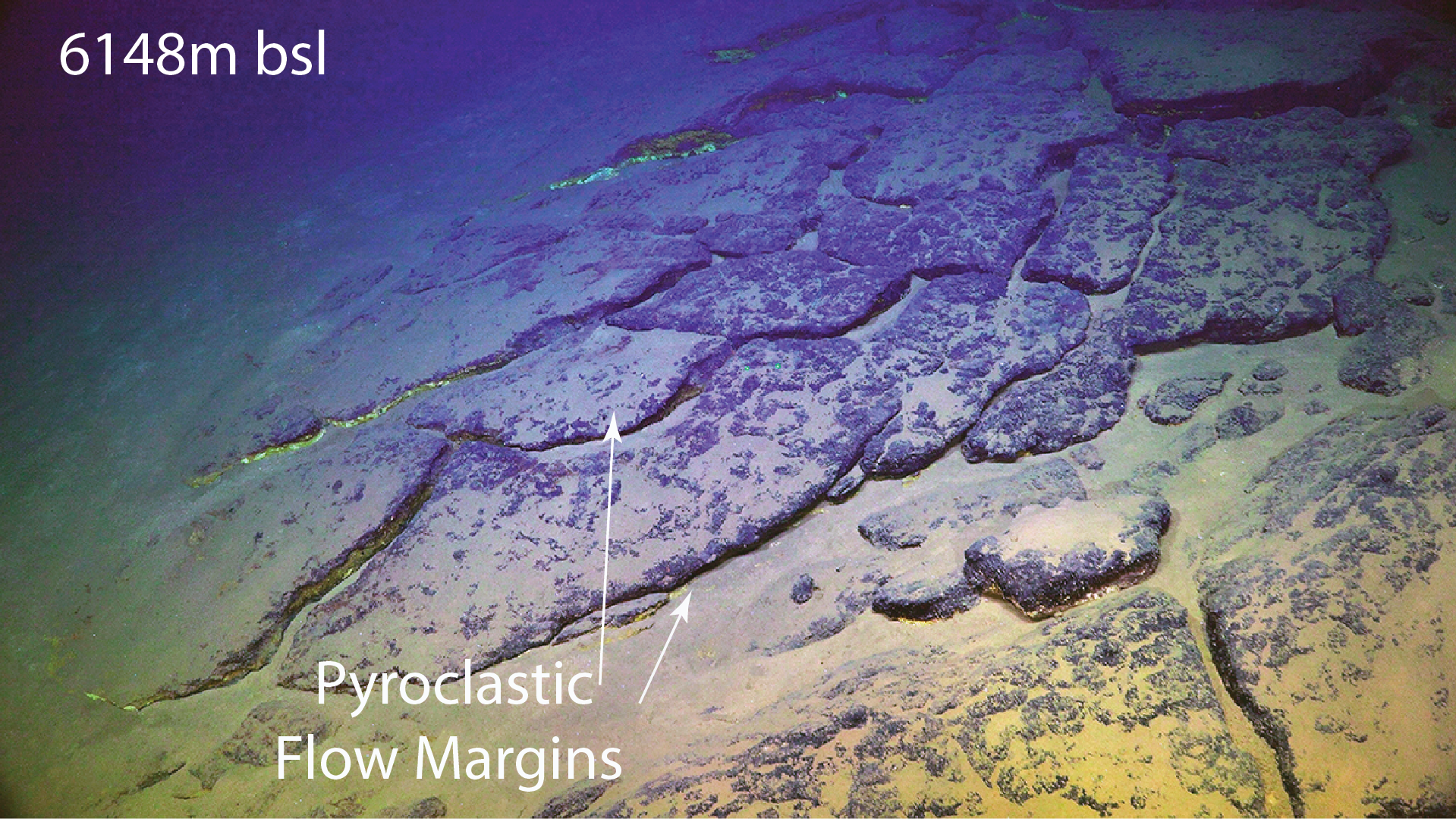
Impossible volcanic eruption spotted in deepest part of the ocean, perplexing scientists

Scientists are perplexed at discovering the world's deepest explosive volcanic eruption at Challenger Deep in the Mariana Trench. Dr. Covered by 5 outlets: 1 lean left, 4 are centre.

Lean: Center Fact-focusedFactuality: HighCountry: United StatesFunding: CorporateOwner: Future US
+ 2 · Full coverage
Coverage breakdown
Funding
Corporate100%
Countries
United States86%
United Kingdom14%
Media ownership
Independent57%
Future US14%
DMGT14%
IAC14%
Avg reliability66
Low-credibility share0%
Fact / opinion7/0
State media0%
More analysis
Truth score: 71 (Corroborated) Propaganda risk: 0 Trending: Low Sources: 7 Reliability: 66 Bias severity: 0 Risk: 0Sentiment: 0Sensationalism: 5 Amplification: 0

How we score

Like
Left 40%40%Centre 60%60%
ABC News (US)Leans left

Scientists discover quasar formed within 630 million years of the Big Bang

Scientists are seeing the quasar as it was 13.1 billion years ago — when the universe was less than 5% of its current age. Covered by 5 outlets: 2 lean left, 2 are centre, 1 are not rated.

Lean: Leans left Fact-focusedFactuality: HighCountry: United StatesFunding: CorporateOwner: Walt Disney Company
+ 1 · Full coverage
Coverage breakdown
Funding
Corporate67%
Public broadcaster17%
Not recorded17%
Countries
United States83%
Germany17%
Media ownership
Independent17%
Walt Disney Company17%
Paramount Global17%
KIRO-TV17%
Google News17%
Avg reliability77
Low-credibility share0%
Fact / opinion6/0
State media0%
More analysis
Truth score: 73 (Corroborated) Propaganda risk: 0 Trending: Low Sources: 6 Reliability: 77 Bias severity: 0 Risk: 0Sentiment: 0Sensationalism: 0 Amplification: 0

How we score

Like
Left 20%20%Centre 80%80%
The GuardianLeft

Spuds in space: scientists say potatoes could be key food source for future moon base

Researchers have shown that potatoes grown in simulated lunar soil amended with organic matter are safe to eat and can achieve growth and yields comparable to those produced on Earth. Potatoes (Solanum tuberosum) can complete their life...

Lean: Left Fact-focusedFactuality: Very highCountry: United KingdomFunding: Nonprofit trustOwner: Scott Trust
+ 1 · Full coverage
Coverage breakdown
Funding
Corporate83%
Nonprofit trust17%
Countries
United States50%
United Kingdom33%
India17%
Media ownership
Independent50%
Thomson Reuters17%
Scott Trust17%
Google News17%
Avg reliability76
Low-credibility share0%
Fact / opinion6/0
State media0%
More analysis
Truth score: 73 (Corroborated) Propaganda risk: 0 Trending: Low Sources: 6 Reliability: 76 Bias severity: 0 Risk: 0Sentiment: 17Sensationalism: 0 Amplification: 0

How we score

Like
Left 67%67%Centre 33%33%
PBS NewsHourLeans left

Scientists are fighting for their halted funds. Trust of Black communities may be harder to win back

The study was among broader research into why Black Americans are twice as likely as their white peers to develop Alzheimer's, but the Trump administration abruptly halted it in its final stretch. Covered by 3 outlets: 2 lean left, 1 are centre.

Lean: Leans left Fact-focusedFactuality: Very highCountry: United StatesFunding: Public broadcasterOwner: PBS (Nonprofit)
Full coverage
Coverage breakdown
Funding
Corporate50%
Public broadcaster25%
Not recorded25%
Countries
United States75%
Canada25%
Media ownership
Independent25%
Walt Disney Company25%
PBS (Nonprofit)25%
The Philadelphia Tribune25%
Avg reliability78
Low-credibility share0%
Fact / opinion4/0
State media0%
More analysis
Truth score: 67 (Corroborated) Propaganda risk: 0 Trending: Low Sources: 4 Reliability: 78 Bias severity: 0 Risk: 0Sentiment: 100Sensationalism: 0 Amplification: 0

How we score

Like
Left 33%33%Centre 67%67%
The Japan TimesCenter

Scientists warn of growing health threats of chemicals found everywhere

A report on endocrine-disrupting chemicals estimates the health and environmental costs of their exposure at over $1 trillion annually. Covered by 3 outlets: 1 lean left, 2 are centre.

Lean: Center Fact-focusedFactuality: HighCountry: JapanFunding: CorporateOwner: News2u Holdings
Full coverage
Coverage breakdown
Funding
Corporate67%
Private33%
Countries
Japan33%
United States33%
India33%
Media ownership
News2u Holdings33%
Independent33%
The Hindu Group33%
Avg reliability75
Low-credibility share0%
Fact / opinion3/0
State media0%
More analysis
Truth score: 62 (Corroborated) Propaganda risk: 0 Trending: Low Sources: 3 Reliability: 75 Bias severity: 0 Risk: 0Sentiment: -33Sensationalism: 0 Amplification: 0

How we score

Like
Health
2 sources
Truth score 53
Left 100%100%
ABC News (US)Leans left

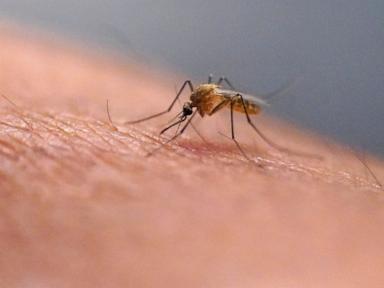
Scientists report strong new evidence that specially bred mosquitoes can fend off dengue

There is new evidence that breeding a special kind of mosquito could help fend off dengue infections, rather than solely relying on pesticides and trying to avoid getting bitten

Lean: Leans left Fact-focusedFactuality: HighCountry: United StatesFunding: CorporateOwner: Walt Disney Company
Full coverage
Coverage breakdown
Funding
Corporate50%
Private50%
Countries
United States50%
India50%
Media ownership
Walt Disney Company50%
The Hindu Group50%
Avg reliability80
Low-credibility share0%
Fact / opinion2/0
State media0%
More analysis
Truth score: 53 (Limited corroboration) Propaganda risk: 0 Trending: Low Sources: 2 Reliability: 80 Bias severity: 0 Risk: 0Sentiment: -50Sensationalism: 0 Amplification: 0

How we score

Like