INDBInternet News Database 2.5 Updated 1 min ago · 292 sources Show or hide images Light or dark

Results for “Scientists Discover”

Science
1 source

Who is covering this

PhysCenter
Truth score 38
Centre 100%100%
PhysCenter

Scientists discover new jellyfish species in waters off Alicante in Spain

The Mediterranean Sea still holds species unknown to science. One of them is Copula lucentia, a tiny jellyfish measuring just a few millimeters. Discovered off El Campello, in Alicante, it was formally described in 2024 by a research...

Lean: Center Fact-focusedFactuality: Mostly factualCountry: United StatesFunding: CorporateOwner: Independent
Full coverage
Coverage breakdown
Funding
Corporate100%
Countries
United States100%
Media ownership
Independent100%
Avg reliability65
Low-credibility share0%
Fact / opinion1/0
State media0%
More analysis
Truth score: 38 (Weakly supported) Propaganda risk: 0 Trending: Low Sources: 1 Reliability: 65 Bias severity: 0 Risk: 0Sentiment: 0Sensationalism: 0 Amplification: 0

How we score

Like
Science
1 source

Who is covering this

PhysCenter
Truth score 38
Centre 100%100%
PhysCenter

Scientists discover there are way more bugs in California than you thought

A new study published in the journal Ecography finds that there are more than 60,000 different species of insects in California—and scientists have only described about two-thirds of them.

Lean: Center Fact-focusedFactuality: Mostly factualCountry: United StatesFunding: CorporateOwner: Independent
Full coverage
Coverage breakdown
Funding
Corporate100%
Countries
United States100%
Media ownership
Independent100%
Avg reliability65
Low-credibility share0%
Fact / opinion1/0
State media0%
More analysis
Truth score: 38 (Weakly supported) Propaganda risk: 0 Trending: Low Sources: 1 Reliability: 65 Bias severity: 0 Risk: 0Sentiment: 0Sensationalism: 0 Amplification: 0

How we score

Like
Science
1 source

Who is covering this

Google NewsCenter
Truth score 41
Centre 100%100%
Google NewsCenter

Scientists discover a surprising brain benefit of eating peanuts every day

Scientists discover a surprising brain benefit of eating peanuts every day Science Daily Popular snack may protect the aging brain when eaten every day: study New York Post Daily Peanut Intake Minute Mirror New Research Finds Daily...

Lean: Center Fact-focusedFactuality: HighCountry: United StatesFunding: Corporate
+ 1 · Full coverage
Coverage breakdown
Funding
Corporate100%
Countries
United States100%
Media ownership
Google News100%
Avg reliability75
Low-credibility share0%
Fact / opinion2/0
State media0%
More analysis
Truth score: 41 (Limited corroboration) Propaganda risk: 0 Trending: Low Sources: 1 Reliability: 75 Bias severity: 0 Risk: 0Sentiment: 0Sensationalism: 0 Amplification: 0

How we score

Like
Science
2 sources

Who is covering this

Bangor DailyLeans leftPhysCenter
Truth score 54
Left 50%50%Centre 50%50%
Bangor DailyLeans left

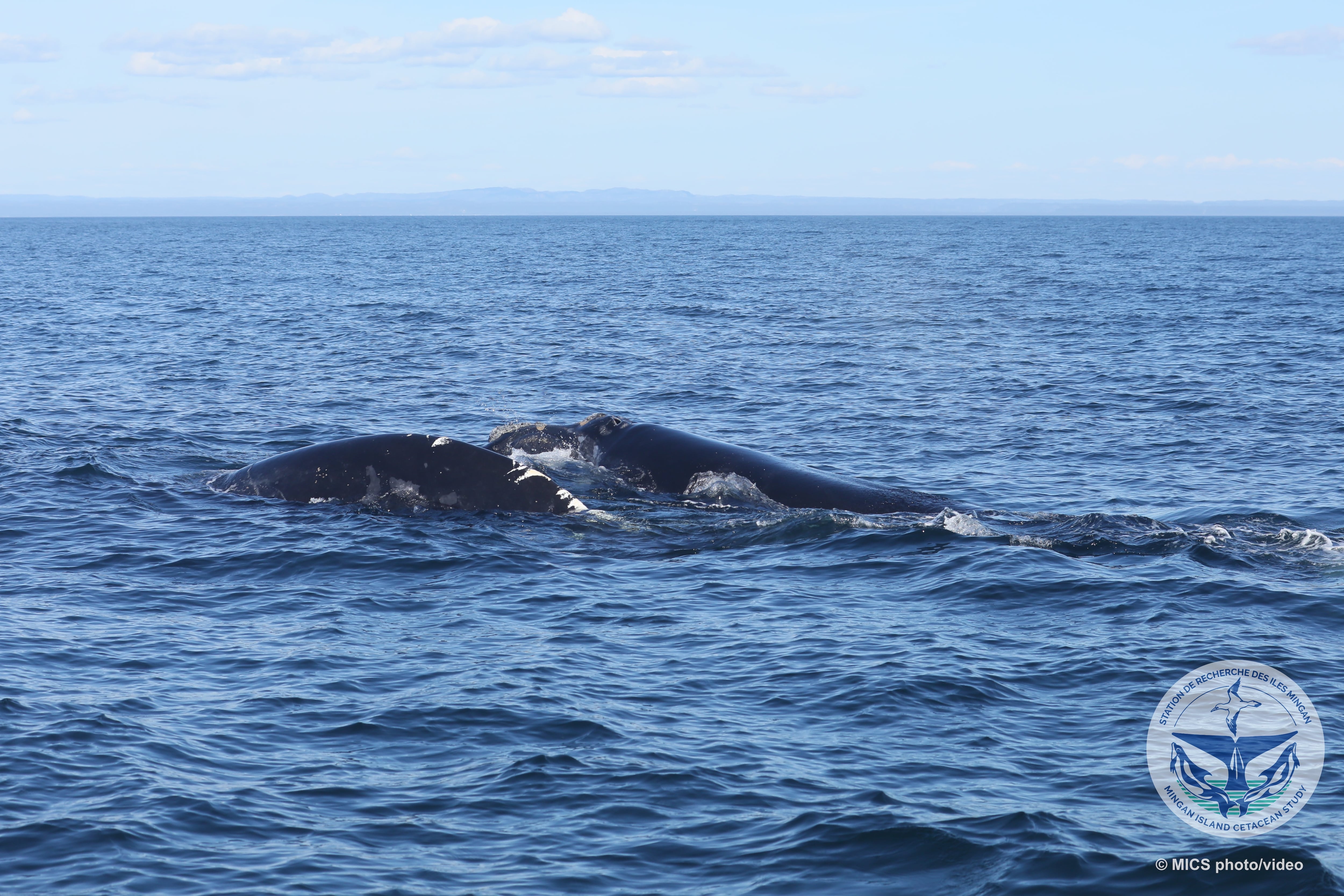
Scientists discovered an unknown baby right whale off Canada. They say it’s a cause for joy

PORTLAND, Maine (AP) — It would seem difficult to miss a 15,000-pound (6,804-kilogram) baby, but for months scientists who study rare whales did just that, and now they couldn’t be happier. Researchers in Canada captured images of an...

Lean: Leans left Fact-focusedFactuality: HighCountry: United StatesFunding: PrivateOwner: Bangor Publishing Co.
+ 1 · Full coverage
Coverage breakdown
Funding
Private50%
Corporate50%
Countries
United States100%
Media ownership
Bangor Publishing Co.50%
Independent50%
Avg reliability68
Low-credibility share0%
Fact / opinion3/0
State media0%
More analysis
Truth score: 54 (Limited corroboration) Propaganda risk: 0 Trending: Low Sources: 2 Reliability: 68 Bias severity: 0 Risk: 0Sentiment: 0Sensationalism: 0 Amplification: 0

How we score

Like
Science
1 source
Truth score 41
Right 100%100%
South China Morning PostLeans right

Chinese scientists discover thickening ground ice in parts of warming Tibet

The Tibetan Plateau, home to the world’s largest expanse of alpine permafrost, is warming at about twice the global average but, counter-intuitively,researchers have found that ice in parts of the Tibet autonomous region is actually...

Lean: Leans right Fact-focusedFactuality: HighCountry: Hong KongFunding: CorporateOwner: Alibaba Group
Full coverage
Coverage breakdown
Funding
Corporate100%
Countries
Hong Kong100%
Media ownership
Alibaba Group100%
Avg reliability75
Low-credibility share0%
Fact / opinion1/0
State media0%
More analysis
Truth score: 41 (Limited corroboration) Propaganda risk: 0 Trending: Low Sources: 1 Reliability: 75 Bias severity: 0 Risk: 0Sentiment: 0Sensationalism: 0 Amplification: 0

How we score

Like
Business
1 source

Who is covering this

NewsCenter
Truth score 38
Centre 100%100%
NewsCenter

Pune scientists discover galaxy with four cycles of black hole activity | Hindustan Times - Hindustan Times

Pune scientists discover galaxy with four cycles of black hole activity | Hindustan Times Hindustan Times

Lean: Center Fact-focusedFactuality: Mostly factualCountry: IndiaFunding: CorporateOwner: Independent
Full coverage
Coverage breakdown
Funding
Corporate100%
Countries
India100%
Media ownership
Independent100%
Avg reliability65
Low-credibility share0%
Fact / opinion1/0
State media0%
More analysis
Truth score: 38 (Weakly supported) Propaganda risk: 0 Trending: Low Sources: 1 Reliability: 65 Bias severity: 0 Risk: 0Sentiment: 0Sensationalism: 0 Amplification: 0

How we score

Like
Science
1 source

Who is covering this

PhysCenter
Truth score 38
Centre 100%100%
PhysCenter

A sweeter future? AI helps scientists discover new sugar substitutes

Researchers Dr. Shayma El-Atawneh and professor Amiram Goldblum at the Hebrew University of Jerusalem have developed a new computational framework that identified 92 promising candidates for future sugar substitutes from more than 50...

Lean: Center Fact-focusedFactuality: Mostly factualCountry: United StatesFunding: CorporateOwner: Independent
Full coverage
Coverage breakdown
Funding
Corporate100%
Countries
United States100%
Media ownership
Independent100%
Avg reliability65
Low-credibility share0%
Fact / opinion1/0
State media0%
More analysis
Truth score: 38 (Weakly supported) Propaganda risk: 0 Trending: Low Sources: 1 Reliability: 65 Bias severity: 0 Risk: 0Sentiment: 0Sensationalism: 0 Amplification: 0

How we score

Like
Science
1 source

Who is covering this

Daily MailCenter
Truth score 37
Centre 100%100%
Daily MailCenter

Could life already exist on Mars? Scientists discover microbes that can THRIVE in extreme conditions found beneath the Red Planet's surface

The hunt for life on Mars may have taken a major step forward as scientists find microbes that could survive on the Red Planet.

Lean: Center Fact-focusedFactuality: Mostly factualCountry: United KingdomFunding: CorporateOwner: DMGT
Full coverage
Coverage breakdown
Funding
Corporate100%
Countries
United Kingdom100%
Media ownership
DMGT100%
Avg reliability63
Low-credibility share0%
Fact / opinion1/0
State media0%
More analysis
Truth score: 37 (Weakly supported) Propaganda risk: 0 Trending: Low Sources: 1 Reliability: 63 Bias severity: 0 Risk: 0Sentiment: 0Sensationalism: 8 Amplification: 0

How we score

Like
Technology
1 source

Who is covering this

WIREDLeans left
Truth score 42
Left 100%100%
WIREDLeans left

White Dwarfs Aren’t Just White. Scientists Discover Dying Stars Turning Pink and Green

Astronomers find that a white dwarf’s density and the kind of material it absorbed from its surroundings can produce a rainbow of shades in the star’s atmosphere.

Lean: Leans left Fact-focusedFactuality: HighCountry: United StatesFunding: CorporateOwner: Condé Nast
Full coverage
Coverage breakdown
Funding
Corporate100%
Countries
United States100%
Media ownership
Condé Nast100%
Avg reliability78
Low-credibility share0%
Fact / opinion1/0
State media0%
More analysis
Truth score: 42 (Limited corroboration) Propaganda risk: 0 Trending: Low Sources: 1 Reliability: 78 Bias severity: 0 Risk: 0Sentiment: 0Sensationalism: 0 Amplification: 0

How we score

Like
Left 25%25%Centre 50%50%Right 25%25%
The Globe and MailCenter

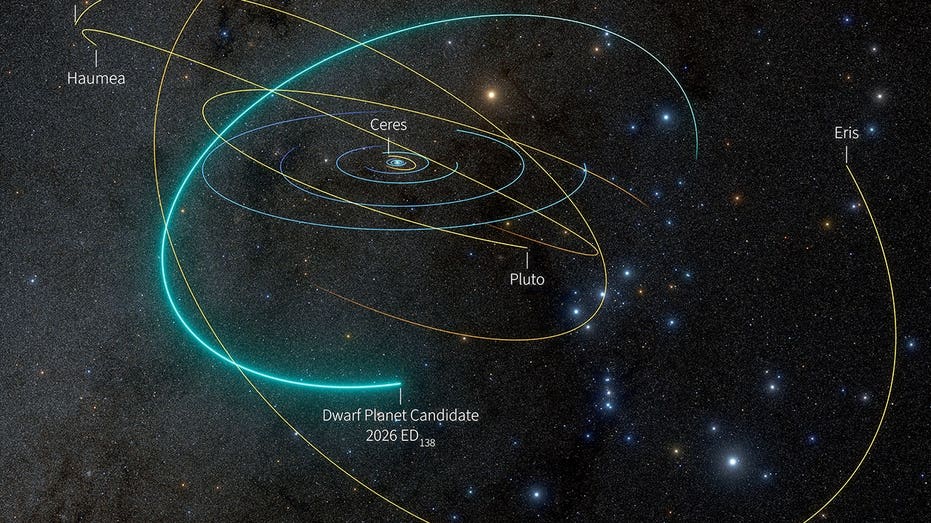
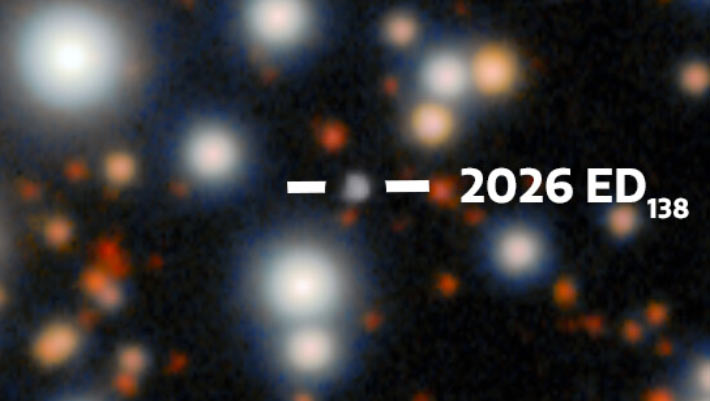
Telescope spots possible new dwarf planet orbiting beyond Pluto

Lying beyond Pluto, 2026 ED138 could be as large as 1,500 kilometers in diameter. The Vera C. Covered by 9 outlets: 2 lean left, 4 are centre, 1 lean right, 2 are not rated.

Lean: Center Fact-focusedFactuality: HighCountry: CanadaFunding: CorporateOwner: Woodbridge Company
+ 7 · Full coverage
Coverage breakdown
Funding
Corporate82%
State-funded9%
Not recorded9%
Countries
United States82%
Canada9%
Russia9%
Media ownership
Independent27%
Woodbridge Company9%
Condé Nast9%
Russian Government9%
Future US9%
Avg reliability67
Low-credibility share12%
Fact / opinion12/0
State media9%
More analysis
Truth score: 81 (Strongly corroborated) Propaganda risk: 0 Trending: Low Sources: 11 Reliability: 67 Bias severity: 0 Risk: 12Sentiment: -8Sensationalism: 2 Amplification: 0

How we score

Like
Business
2 sources

Who is covering this

The HinduLeans leftNewsCenter
Truth score 55
Left 50%50%Centre 50%50%
The HinduLeans left

Scientists identify how a gut bacterium may trigger colon cancer

A study has uncovered a molecular mechanism through which a common gut bacterium’s toxin attacks colon cells, opening a possible path to protection

Lean: Leans left Fact-focusedFactuality: HighCountry: IndiaFunding: PrivateOwner: The Hindu Group
Full coverage
Coverage breakdown
Funding
Private50%
Corporate50%
Countries
India100%
Media ownership
Independent50%
The Hindu Group50%
Avg reliability72
Low-credibility share0%
Fact / opinion2/0
State media0%
More analysis
Truth score: 55 (Limited corroboration) Propaganda risk: 0 Trending: Low Sources: 2 Reliability: 72 Bias severity: 0 Risk: 0Sentiment: -50Sensationalism: 0 Amplification: 0

How we score

Like
Science
3 sources
Truth score 61
Left 33%33%Centre 67%67%
The GuardianLeft

‘It’s really, really unusual’: tender bond between male donkey and bull baffles scientists

Patroclo and Achille’s interspecies affair sheds new light on social and sexual relations between animals, scientists say In ancient myth, Achilles and Patroclus were two Greek heroes of the Trojan war whose intense bond was believed by...

Lean: Left Fact-focusedFactuality: Very highCountry: United KingdomFunding: Nonprofit trustOwner: Scott Trust
Full coverage
Coverage breakdown
Funding
Corporate67%
Nonprofit trust33%
Countries
United Kingdom67%
United States33%
Media ownership
Independent33%
DMGT33%
Scott Trust33%
Avg reliability71
Low-credibility share0%
Fact / opinion3/0
State media0%
More analysis
Truth score: 61 (Corroborated) Propaganda risk: 0 Trending: Low Sources: 3 Reliability: 71 Bias severity: 0 Risk: 0Sentiment: -33Sensationalism: 0 Amplification: 0

How we score

Like
Business
1 source

Who is covering this

NewsCenter
Truth score 38
Centre 100%100%
NewsCenter

A hidden brain rhythm challenges ideas about where consciousness comes from

A hidden brain rhythm challenges ideas about where consciousness comes from Medical Xpress Scientists Discover Brain Activity Alternating Between Two Visual Realities 15 Times Per Second Medical Dialogues Brain May Be Switching Between...

Lean: Center Fact-focusedFactuality: Mostly factualCountry: IndiaFunding: CorporateOwner: Independent
Full coverage
Coverage breakdown
Funding
Corporate100%
Countries
India100%
Media ownership
Independent100%
Avg reliability65
Low-credibility share0%
Fact / opinion1/0
State media0%
More analysis
Truth score: 38 (Weakly supported) Propaganda risk: 0 Trending: Low Sources: 1 Reliability: 65 Bias severity: 0 Risk: 0Sentiment: 0Sensationalism: 0 Amplification: 0

How we score

Like
Science
2 sources

Who is covering this

Google NewsCenterNewsCenter
Truth score 50
Centre 100%100%
Google NewsCenter

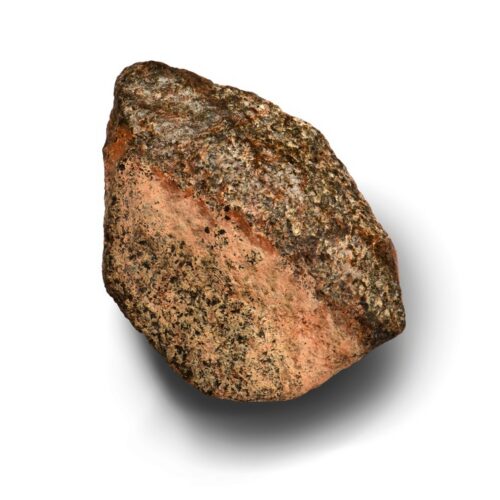
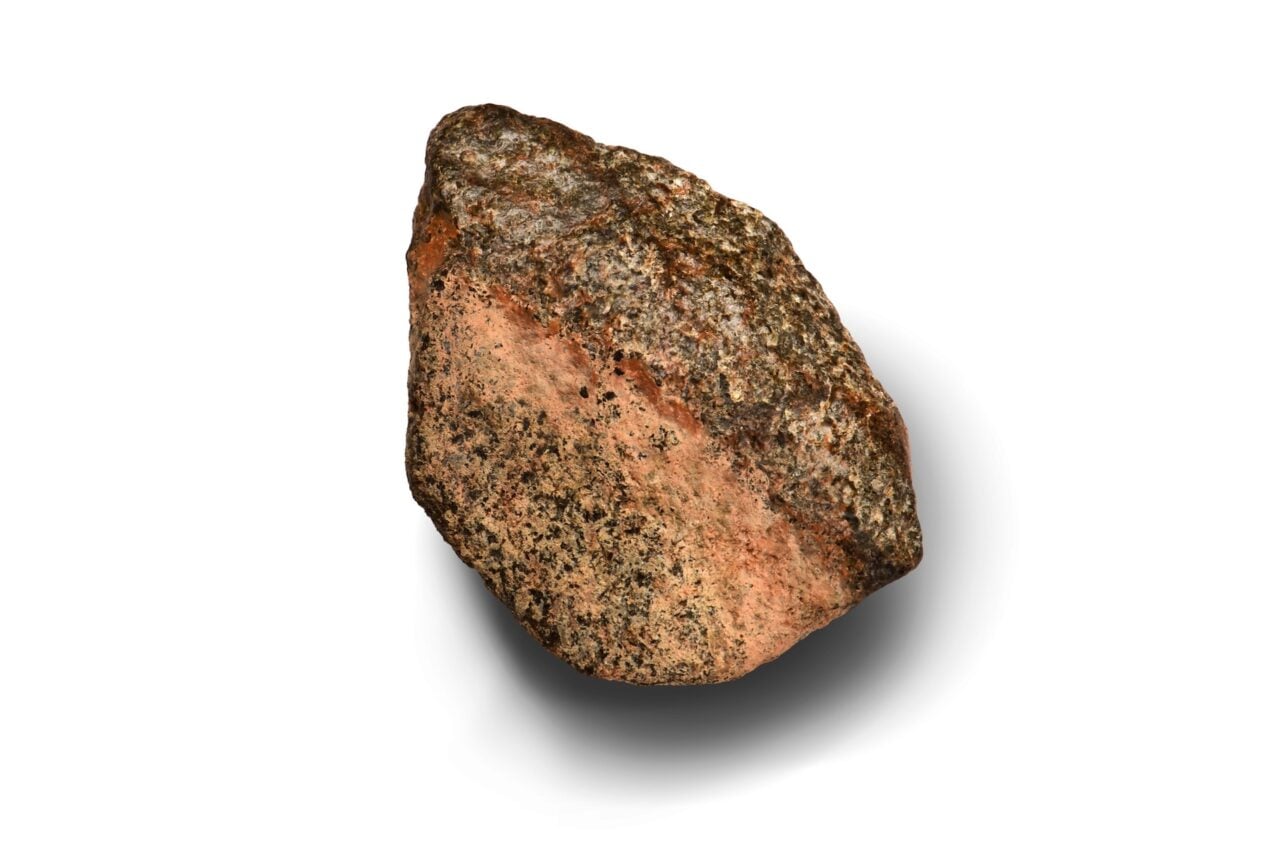
4.1 billion-year-old Martian meteorite holds clues to the red planet’s watery past

4.1 billion-year-old Martian meteorite holds clues to the red planet’s watery past CNN 4-billion-year-old 'Rosetta Stone' found in Sahara Desert could unlock the secret history of water on Mars Space Scientists Determine Mysterious Pink...

Lean: Center Fact-focusedFactuality: HighCountry: United StatesFunding: Corporate
Full coverage
Coverage breakdown
Funding
Corporate100%
Countries
United States50%
India50%
Media ownership
Google News50%
Independent50%
Avg reliability70
Low-credibility share0%
Fact / opinion2/0
State media0%
More analysis
Truth score: 50 (Limited corroboration) Propaganda risk: 0 Trending: Low Sources: 2 Reliability: 70 Bias severity: 0 Risk: 0Sentiment: 0Sensationalism: 4 Amplification: 0

How we score

Like
Centre 100%100%
ABC News (Australia)Center

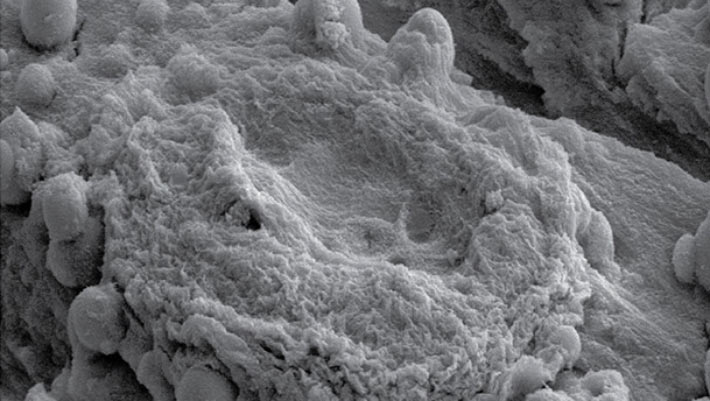
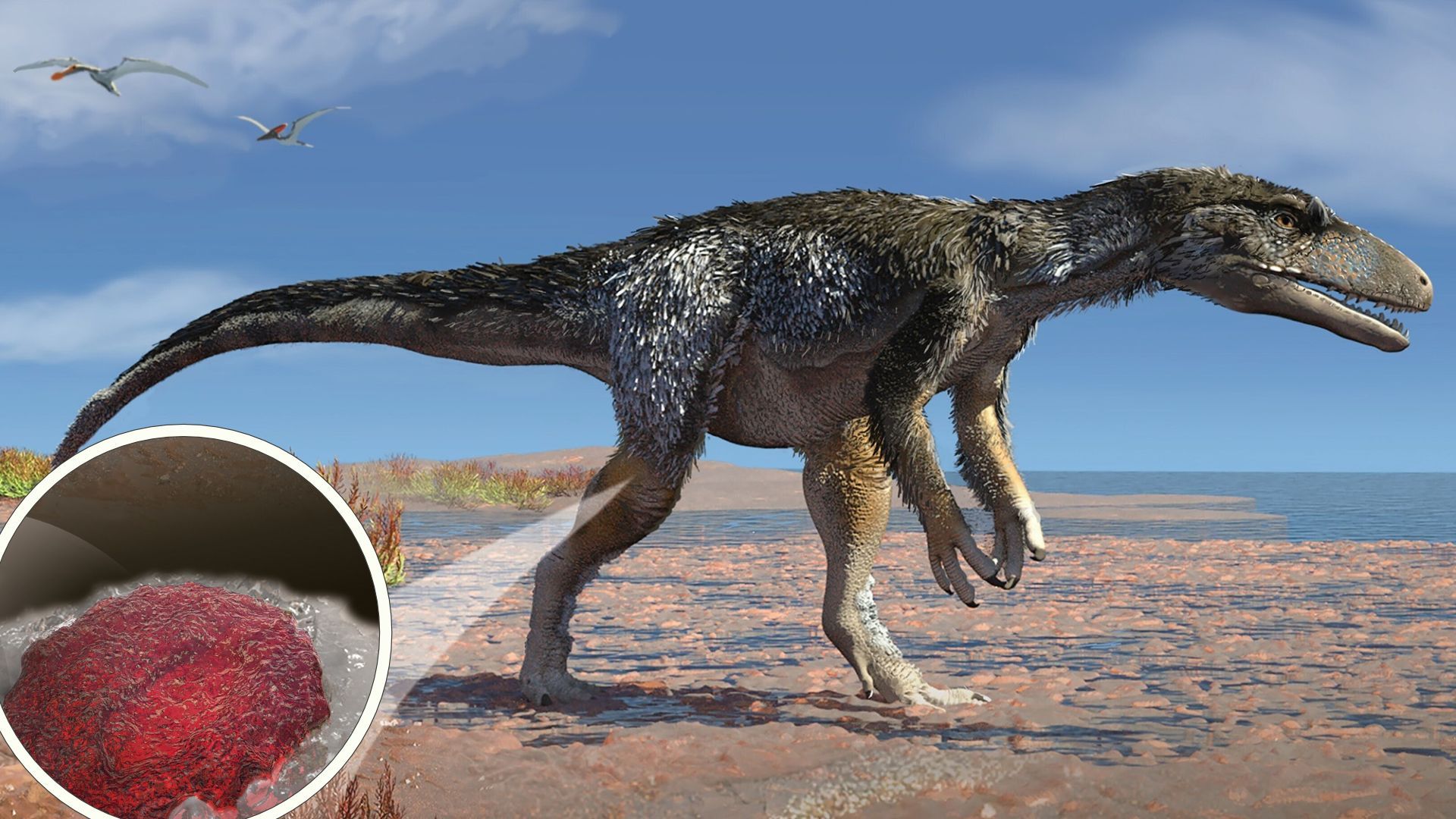
Molecular traces from 'blood cells' found in 115-million-year-old dinosaur bones

The surprise discovery of an iron-carrying molecule preserved in the bones of a Brazilian dinosaur adds to research about soft tissues found in fossils that are millions of years old. Once thought impossible, the molecules were...

Lean: Center Fact-focusedFactuality: Very highCountry: AustraliaFunding: Public broadcasterOwner: Australian Government
+ 5 · Full coverage
Coverage breakdown
Funding
Corporate89%
Public broadcaster11%
Countries
United States75%
Australia12%
United Kingdom12%
Media ownership
Independent50%
Australian Government12%
Google News12%
DMGT12%
Future US12%
Avg reliability72
Low-credibility share0%
Fact / opinion10/0
State media0%
More analysis
Truth score: 70 (Corroborated) Propaganda risk: 0 Trending: Low Sources: 8 Reliability: 72 Bias severity: 0 Risk: 0Sentiment: 0Sensationalism: 1 Amplification: 0

How we score

Like
Left 62%62%Centre 38%38%
Ars TechnicaLeans left

Rare meteorite from Mars gives us a view into its ancient crust

Minerals in the space rock provide hints about the early history of the red planet, when water was flowing on the surface. Covered by 9 outlets: 5 lean left, 3 are centre, 1 are not rated.

Lean: Leans left Fact-focusedFactuality: HighCountry: United StatesFunding: CorporateOwner: Condé Nast
+ 13 · Full coverage
Coverage breakdown
Funding
Corporate89%
Private11%
Countries
United States89%
India11%
Media ownership
Independent33%
Condé Nast22%
Paramount Global11%
Google News11%
NY Times Company11%
Avg reliability75
Low-credibility share0%
Fact / opinion18/0
State media0%
More analysis
Truth score: 78 (Corroborated) Propaganda risk: 0 Trending: Low Sources: 9 Reliability: 75 Bias severity: 100 Risk: 0Sentiment: 0Sensationalism: 1 Amplification: 0

How we score

Like
Health
1 source

Who is covering this

Daily MailCenter
Truth score 37
Centre 100%100%
Daily MailCenter

The £1-a-day pill that could clear debilitating psoriasis - without causing side effects: It's already used to lower cholesterol... now scientists have discovered it could transform skin too

Scientists found pantethine, a nutrient that comes from vitamin B5, calmed the cells in the immune system that drive the itchy and painful skin condition.

Lean: Center Fact-focusedFactuality: Mostly factualCountry: United KingdomFunding: CorporateOwner: DMGT
Full coverage
Coverage breakdown
Funding
Corporate100%
Countries
United Kingdom100%
Media ownership
DMGT100%
Avg reliability63
Low-credibility share0%
Fact / opinion1/0
State media0%
More analysis
Truth score: 37 (Weakly supported) Propaganda risk: 0 Trending: Low Sources: 1 Reliability: 63 Bias severity: 0 Risk: 0Sentiment: 0Sensationalism: 0 Amplification: 0

How we score

Like
Science
1 source

Who is covering this

The Globe and MailCenter
Truth score 44
Centre 100%100%
The Globe and MailCenter

Discovery of rare baby right whale off Canada gives scientists cause for celebration

It puts the number of baby right whales discovered from the most recent birthing season at 24, the most productive year for the whales since 2009

Lean: Center Fact-focusedFactuality: HighCountry: CanadaFunding: CorporateOwner: Woodbridge Company
Full coverage
Coverage breakdown
Funding
Corporate100%
Countries
Canada100%
Media ownership
Woodbridge Company100%
Avg reliability82
Low-credibility share0%
Fact / opinion1/0
State media0%
More analysis
Truth score: 44 (Limited corroboration) Propaganda risk: 0 Trending: Low Sources: 1 Reliability: 82 Bias severity: 0 Risk: 0Sentiment: 0Sensationalism: 0 Amplification: 0

How we score

Like
Business
1 source

Who is covering this

NewsCenter
Truth score 38
Centre 100%100%
NewsCenter

Scientists studied a 444-million-year-old marine fossil that preserved its muscles, tendons and guts but lost its head, legs and outer shell; they named it after the discoverer's mother

Scientists studied a 444-million-year-old marine fossil that preserved its muscles, tendons and guts but lost its head, legs and outer shell; they named it after the discoverer's mother The Times of India

Lean: Center Fact-focusedFactuality: Mostly factualCountry: IndiaFunding: CorporateOwner: Independent
Full coverage
Coverage breakdown
Funding
Corporate100%
Countries
India100%
Media ownership
Independent100%
Avg reliability65
Low-credibility share0%
Fact / opinion1/0
State media0%
More analysis
Truth score: 38 (Weakly supported) Propaganda risk: 0 Trending: Low Sources: 1 Reliability: 65 Bias severity: 0 Risk: 0Sentiment: 0Sensationalism: 0 Amplification: 0

How we score

Like
Left 40%40%Centre 60%60%
BBC NewsCenter

Altar Stone mystery continues as Stonehenge theory overturned

It was thought the Stonehenge artefact was from north east Scotland but a new study disputes that. Covered by 5 outlets: 1 lean left, 3 are centre, 1 are not rated.

Lean: Center Fact-focusedFactuality: Very highCountry: United KingdomFunding: Public broadcasterOwner: BBC (UK Government)
+ 1 · Full coverage
Coverage breakdown
Funding
Corporate67%
Public broadcaster17%
Nonprofit trust17%
Countries
United Kingdom67%
United States33%
Media ownership
Independent50%
BBC (UK Government)17%
Scott Trust17%
DMGT17%
Avg reliability76
Low-credibility share0%
Fact / opinion6/0
State media0%
More analysis
Truth score: 72 (Corroborated) Propaganda risk: 0 Trending: Low Sources: 6 Reliability: 76 Bias severity: 0 Risk: 0Sentiment: 0Sensationalism: 1 Amplification: 0

How we score

Like
Centre 100%100%
PhysCenter

Rare 4.1-billion-year-old Martian meteorite reveals clues to planet's ancient past

Scientists at the University of New Mexico have played a key role in identifying a rare, 4.1-billion-year-old Martian meteorite that provides new evidence that the red planet may have once had a wetter, Earth-like environment....

Lean: Center Fact-focusedFactuality: Mostly factualCountry: United StatesFunding: CorporateOwner: Independent
+ 2 · Full coverage
Coverage breakdown
Funding
Corporate100%
Countries
United States75%
India25%
Media ownership
Independent100%
Avg reliability65
Low-credibility share0%
Fact / opinion6/0
State media0%
More analysis
Truth score: 58 (Limited corroboration) Propaganda risk: 0 Trending: Low Sources: 4 Reliability: 65 Bias severity: 0 Risk: 0Sentiment: 0Sensationalism: 0 Amplification: 0

How we score

Like
Centre 100%100%
euronews (English)Center

‘Zeptoverse’: CERN scientists uncover evidence of extraordinarily rare particle decay

Scientists at CERN have found evidence of an extraordinarily rare particle decay using the Large Hadron Collider. Physicists with the LHCb Collaboration at CERN’s Large Hadron Collider announced today evidence for an extremely rare...

Lean: Center Fact-focusedFactuality: HighCountry: FranceFunding: CorporateOwner: Alpac Capital
Full coverage
Coverage breakdown
Funding
Corporate100%
Countries
United States67%
France33%
Media ownership
Independent67%
Alpac Capital33%
Avg reliability72
Low-credibility share0%
Fact / opinion3/0
State media0%
More analysis
Truth score: 56 (Limited corroboration) Propaganda risk: 0 Trending: Low Sources: 3 Reliability: 72 Bias severity: 0 Risk: 0Sentiment: 0Sensationalism: 5 Amplification: 0

How we score

Like
Science
2 sources

Who is covering this

GizmodoLeans leftPopsciCenter
Truth score 54
Left 50%50%Centre 50%50%
GizmodoLeans left

Scientists Thought California Had as Few as 26,000 Insect Species. They Were Way Off

A statewide survey has revealed the true scale of California's insect biodiversity.

Lean: Leans left Fact-focusedFactuality: Mostly factualCountry: United StatesFunding: CorporateOwner: G/O Media
Full coverage
Coverage breakdown
Funding
Corporate100%
Countries
United States100%
Media ownership
Independent50%
G/O Media50%
Avg reliability68
Low-credibility share0%
Fact / opinion2/0
State media0%
More analysis
Truth score: 54 (Limited corroboration) Propaganda risk: 0 Trending: Low Sources: 2 Reliability: 68 Bias severity: 0 Risk: 0Sentiment: 0Sensationalism: 0 Amplification: 0

How we score

Like
Science
1 source

Who is covering this

Daily MailCenter
Truth score 37
Centre 100%100%
Daily MailCenter

Scientists reveal why you almost never dream of smartphones

Dreams can feature any number of wild and wacky scenarios, but there is one thing you will almost never see: your smartphone.

Lean: Center Fact-focusedFactuality: Mostly factualCountry: United KingdomFunding: CorporateOwner: DMGT
Full coverage
Coverage breakdown
Funding
Corporate100%
Countries
United Kingdom100%
Media ownership
DMGT100%
Avg reliability63
Low-credibility share0%
Fact / opinion1/0
State media0%
More analysis
Truth score: 37 (Weakly supported) Propaganda risk: 0 Trending: Low Sources: 1 Reliability: 63 Bias severity: 0 Risk: 0Sentiment: 0Sensationalism: 0 Amplification: 0

How we score

Like
Business
1 source

Who is covering this

NewsCenter
Truth score 38
Centre 100%100%
NewsCenter

Scientists identify a completely new type of rock in a Martian meteorite and find garnet on Mars for the

Scientists identify a completely new type of rock in a Martian meteorite and find garnet on Mars for the The Times of India

Lean: Center Fact-focusedFactuality: Mostly factualCountry: IndiaFunding: CorporateOwner: Independent
Full coverage
Coverage breakdown
Funding
Corporate100%
Countries
India100%
Media ownership
Independent100%
Avg reliability65
Low-credibility share0%
Fact / opinion1/0
State media0%
More analysis
Truth score: 38 (Weakly supported) Propaganda risk: 0 Trending: Low Sources: 1 Reliability: 65 Bias severity: 0 Risk: 0Sentiment: 0Sensationalism: 0 Amplification: 0

How we score

Like
Science
1 source

Who is covering this

NewsweekCenter
Truth score 40
Centre 100%100%
NewsweekCenter

Scientists Asked People to Fake Smiles. Something Unexpected Happened

Professor Nicholas Coles wanted to investigate the impact of being forced to smile because of his experience in customer service.

Lean: Center Fact-focusedFactuality: Mostly factualCountry: United StatesFunding: PrivateOwner: Newsweek Media Group
Full coverage
Coverage breakdown
Funding
Private100%
Countries
United States100%
Media ownership
Newsweek Media Group100%
Avg reliability70
Low-credibility share0%
Fact / opinion1/0
State media0%
More analysis
Truth score: 40 (Limited corroboration) Propaganda risk: 0 Trending: Low Sources: 1 Reliability: 70 Bias severity: 0 Risk: 0Sentiment: 0Sensationalism: 0 Amplification: 0

How we score

Like
Business
1 source

Who is covering this

NewsCenter
Truth score 38
Centre 100%100%
NewsCenter

Scientists find rare rock formed by carbon-rich asteroid impact in Moon dust that may explain how water r

Scientists find rare rock formed by carbon-rich asteroid impact in Moon dust that may explain how water r The Times of India

Lean: Center Fact-focusedFactuality: Mostly factualCountry: IndiaFunding: CorporateOwner: Independent
Full coverage
Coverage breakdown
Funding
Corporate100%
Countries
India100%
Media ownership
Independent100%
Avg reliability65
Low-credibility share0%
Fact / opinion1/0
State media0%
More analysis
Truth score: 38 (Weakly supported) Propaganda risk: 0 Trending: Low Sources: 1 Reliability: 65 Bias severity: 0 Risk: 0Sentiment: 0Sensationalism: 0 Amplification: 0

How we score

Like
Science
1 source

Who is covering this

PopsciCenter
Truth score 38
Centre 100%100%
PopsciCenter

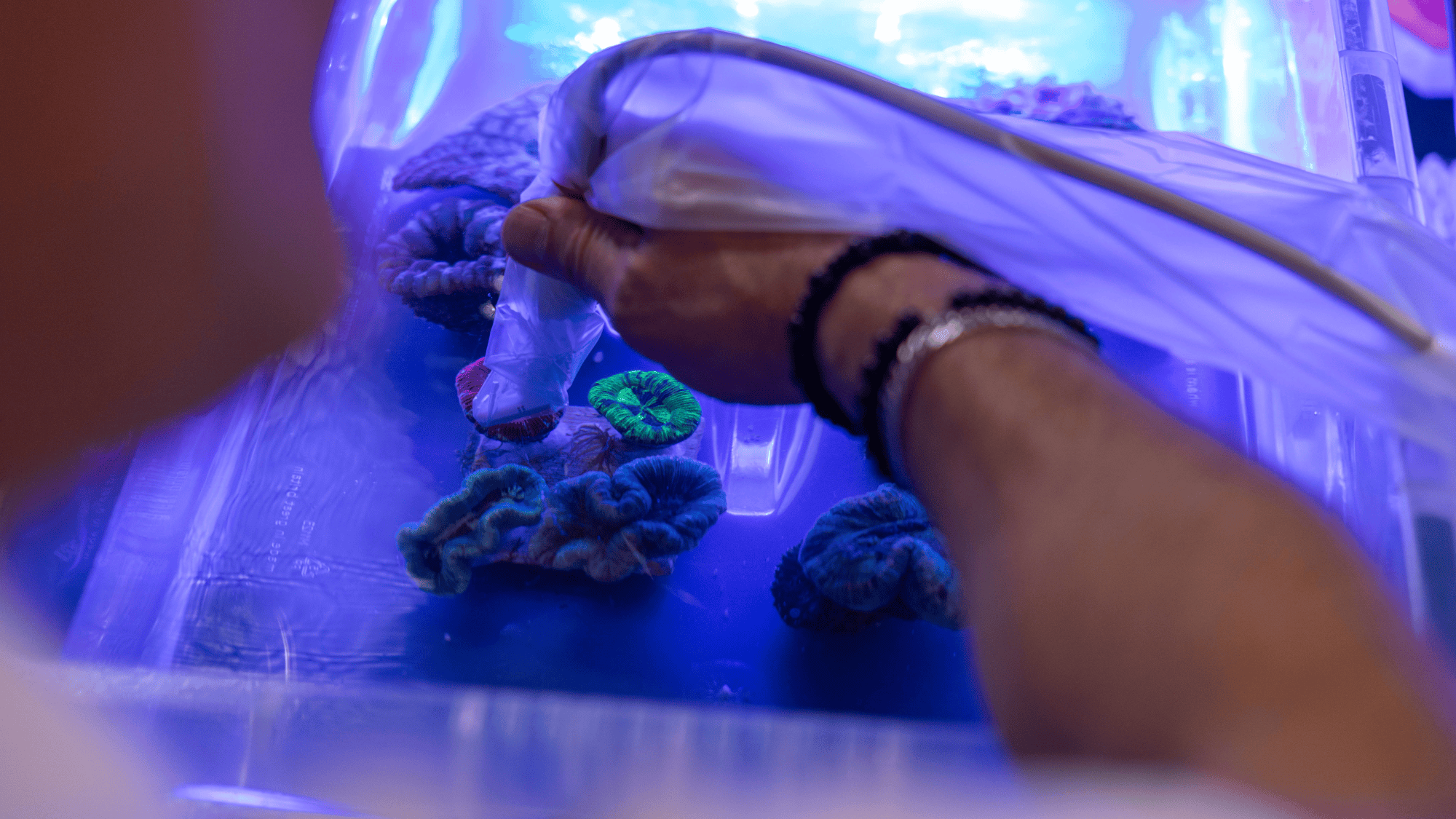
Scientists detect ‘pregnant’ coral using ultrasound device

The high-tech method offers a non-invasive way to monitor endangered coral populations.

Lean: Center Fact-focusedFactuality: Mostly factualCountry: United StatesFunding: CorporateOwner: Independent
Full coverage
Coverage breakdown
Funding
Corporate100%
Countries
United States100%
Media ownership
Independent100%
Avg reliability65
Low-credibility share0%
Fact / opinion1/0
State media0%
More analysis
Truth score: 38 (Weakly supported) Propaganda risk: 0 Trending: Low Sources: 1 Reliability: 65 Bias severity: 0 Risk: 0Sentiment: 0Sensationalism: 0 Amplification: 0

How we score

Like
Science
1 source

Who is covering this

PhysCenter
Truth score 38
Centre 100%100%
PhysCenter

Scientists achieve record-breaking low temperature on China's space station, paving the way for new physics experiments

Matter starts to behave differently at extremely low temperatures, creating conditions ideal for studying quantum physics and new states of matter. Now, researchers from China have achieved a new low-temperature record aboard their...

Lean: Center Fact-focusedFactuality: Mostly factualCountry: United StatesFunding: CorporateOwner: Independent
Full coverage
Coverage breakdown
Funding
Corporate100%
Countries
United States100%
Media ownership
Independent100%
Avg reliability65
Low-credibility share0%
Fact / opinion1/0
State media0%
More analysis
Truth score: 38 (Weakly supported) Propaganda risk: 0 Trending: Low Sources: 1 Reliability: 65 Bias severity: 0 Risk: 0Sentiment: 0Sensationalism: 0 Amplification: 0

How we score

Like
Science
1 source

Who is covering this

NewsweekCenter
Truth score 40
Centre 100%100%
NewsweekCenter

Scientists Identify Daily Step Count Linked to Better Cognitive Performance

Experts found that those who walked a higher number of steps each day had improved cognition by the end of a 14-year study.

Lean: Center Fact-focusedFactuality: Mostly factualCountry: United StatesFunding: PrivateOwner: Newsweek Media Group
Full coverage
Coverage breakdown
Funding
Private100%
Countries
United States100%
Media ownership
Newsweek Media Group100%
Avg reliability70
Low-credibility share0%
Fact / opinion1/0
State media0%
More analysis
Truth score: 40 (Limited corroboration) Propaganda risk: 0 Trending: Low Sources: 1 Reliability: 70 Bias severity: 0 Risk: 0Sentiment: 0Sensationalism: 0 Amplification: 0

How we score

Like