INDBInternet News Database 2.5 Updated 2 min ago · 397 sources Show or hide images Light or dark

Results for “Planetary Science Institute Dr”

Science
1 source

Who is covering this

WIREDLeans left
Truth score 421
Left 100%100%
WIREDLeans left

Former NASA Scientist Fact Checks Alien Slop

AI slop is littering your feed and spreading misinformation, so WIRED’s here to set the record straight. Join former NASA scientist and Senior Scientist at Planetary Science Institute Dr. David Grinspoon as we fact check the internet,...

Lean: Leans left VideoFactuality: HighCountry: United StatesFunding: CorporateOwner: Condé Nast
Full coverage
Coverage breakdown
Funding
Corporate100%
Countries
United States100%
Media ownership
Condé Nast100%
Avg reliability78
Low-credibility share0%
Fact / opinion1/0
State media0%
More analysis
Truth score: 42 (Limited corroboration) Propaganda risk: 0 Trending: Low Sources: 1 Reliability: 78 Bias severity: 0 Risk: 0Sentiment: 0Sensationalism: 0 Amplification: 0

How we score

Like
Science
1 source

Who is covering this

PhysCenter
Truth score 38
Centre 100%100%
PhysCenter

Asteroids venturing near white dwarfs don't break directly into dust, study reveals

When asteroids travel too close to white dwarfs, the dense remnants of stars that have exhausted their nuclear fuel, powerful gravitational forces can tear them apart. However, new research from Planetary Science Institute (PSI)...

Lean: Center Fact-focusedFactuality: Mostly factualCountry: United StatesFunding: CorporateOwner: Independent
Full coverage
Coverage breakdown
Funding
Corporate100%
Countries
United States100%
Media ownership
Independent100%
Avg reliability65
Low-credibility share0%
Fact / opinion1/0
State media0%
More analysis
Truth score: 38 (Weakly supported) Propaganda risk: 0 Trending: Low Sources: 1 Reliability: 65 Bias severity: 0 Risk: 0Sentiment: 0Sensationalism: 0 Amplification: 0

How we score

Like
Science
1 source

Who is covering this

PhysCenter
Truth score 38
Centre 100%100%
PhysCenter

Argon on Uranus and Neptune may reveal more about their origins than their interiors

Measurements of an argon isotope could help scientists understand whether the interiors of Uranus and Neptune, our solar system's so-called ice giants, are dominated by ice or rock. New research led by Southwest Research Institute...

Lean: Center Fact-focusedFactuality: Mostly factualCountry: United StatesFunding: CorporateOwner: Independent
Full coverage
Coverage breakdown
Funding
Corporate100%
Countries
United States100%
Media ownership
Independent100%
Avg reliability65
Low-credibility share0%
Fact / opinion1/0
State media0%
More analysis
Truth score: 38 (Weakly supported) Propaganda risk: 0 Trending: Low Sources: 1 Reliability: 65 Bias severity: 0 Risk: 0Sentiment: 0Sensationalism: 0 Amplification: 0

How we score

Like
Science
1 source

Who is covering this

PhysCenter
Truth score 38
Centre 100%100%
PhysCenter

Lunar sample research yields new discoveries, revealing the history of the moon's largest impact basin

An international research team led by geologists from the Department of Earth and Planetary Sciences (DEPS) at The University of Hong Kong (HKU) has uncovered new evidence of how the moon's largest impact basin, the South Pole–Aitken...

Lean: Center Fact-focusedFactuality: Mostly factualCountry: United StatesFunding: CorporateOwner: Independent
Full coverage
Coverage breakdown
Funding
Corporate100%
Countries
United States100%
Media ownership
Independent100%
Avg reliability65
Low-credibility share0%
Fact / opinion1/0
State media0%
More analysis
Truth score: 38 (Weakly supported) Propaganda risk: 0 Trending: Low Sources: 1 Reliability: 65 Bias severity: 0 Risk: 0Sentiment: 0Sensationalism: 0 Amplification: 0

How we score

Like
Science
1 source

Who is covering this

PhysCenter
Truth score 38
Centre 100%100%
PhysCenter

Planetary collisions may help young worlds hold on to their atmospheres

A new study lets some of the air out of a long-held theory that growing, rocky planets will lose their atmosphere if they smash into a large object in space.

Lean: Center Fact-focusedFactuality: Mostly factualCountry: United StatesFunding: CorporateOwner: Independent
Full coverage
Coverage breakdown
Funding
Corporate100%
Countries
United States100%
Media ownership
Independent100%
Avg reliability65
Low-credibility share0%
Fact / opinion1/0
State media0%
More analysis
Truth score: 38 (Weakly supported) Propaganda risk: 0 Trending: Low Sources: 1 Reliability: 65 Bias severity: 0 Risk: 0Sentiment: 0Sensationalism: 0 Amplification: 0

How we score

Like
Science
1 source

Who is covering this

PhysCenter
Truth score 38
Centre 100%100%
PhysCenter

Cryosphere decline beyond safe planetary limits, putting conditions for human society at risk

New research published at COP31 issues a stark warning about the health of the frozen parts of the planet—ice sheets, mountain glaciers, sea ice, permafrost and snow cover—known as the cryosphere. The study, published in Science, finds...

Lean: Center Fact-focusedFactuality: Mostly factualCountry: United StatesFunding: CorporateOwner: Independent
Full coverage
Coverage breakdown
Funding
Corporate100%
Countries
United States100%
Media ownership
Independent100%
Avg reliability65
Low-credibility share0%
Fact / opinion1/0
State media0%
More analysis
Truth score: 38 (Weakly supported) Propaganda risk: 0 Trending: Low Sources: 1 Reliability: 65 Bias severity: 0 Risk: 0Sentiment: -100Sensationalism: 0 Amplification: 0

How we score

Like
Science
1 source

Who is covering this

PopsciCenter
Truth score 38
Centre 100%100%
PopsciCenter

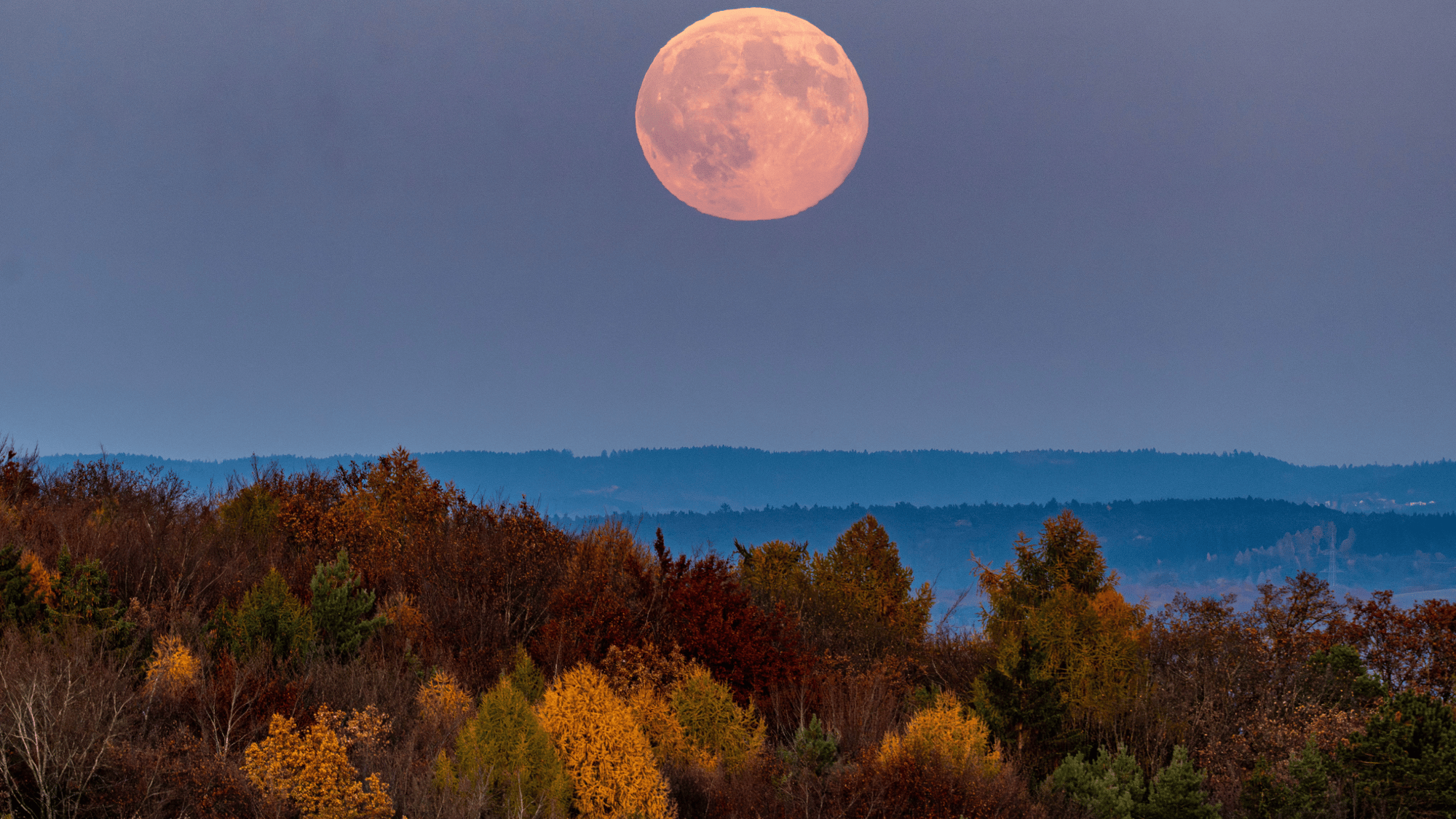
November skygazing: Planetary alignments, a supermoon, comet, and more

The Full Beaver Supermoon rises on November 24.

Lean: Center Fact-focusedFactuality: Mostly factualCountry: United StatesFunding: CorporateOwner: Independent
Full coverage
Coverage breakdown
Funding
Corporate100%
Countries
United States100%
Media ownership
Independent100%
Avg reliability65
Low-credibility share0%
Fact / opinion1/0
State media0%
More analysis
Truth score: 38 (Weakly supported) Propaganda risk: 0 Trending: Low Sources: 1 Reliability: 65 Bias severity: 0 Risk: 0Sentiment: 0Sensationalism: 0 Amplification: 0

How we score

Like
Science
2 sources

Who is covering this

NASACenterPhysCenter
Truth score 48
Centre 100%100%
NASACenter

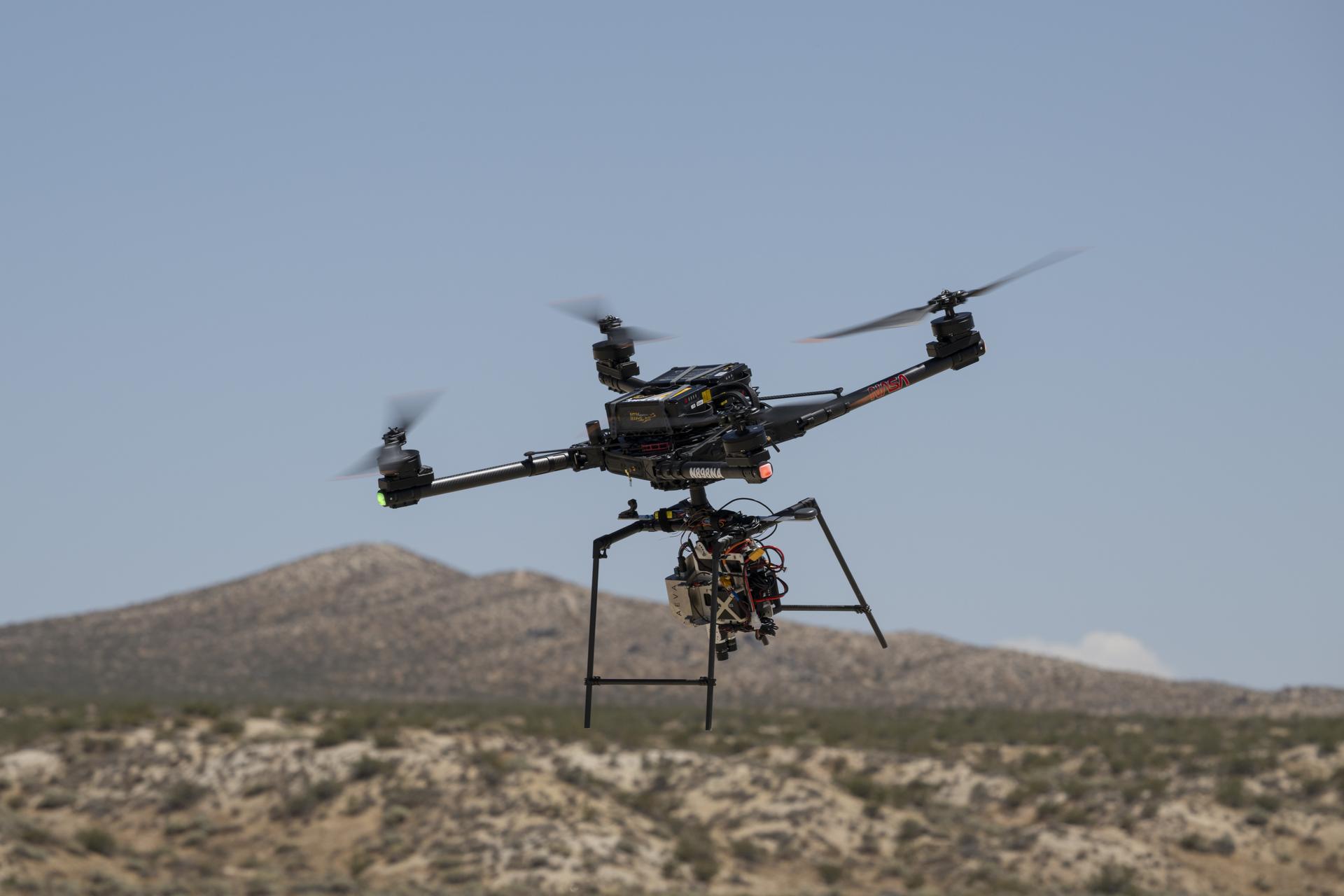
NASA Navigation Experiment Shows Promise for Planetary Landings

NASA successfully demonstrated technology designed to help spacecraft autonomously navigate to safe landing sites on the Moon and on other planets. An Alta-X drone equipped with the agency’s Safe and Precise Landing – Integrated...

Lean: Center Fact-focusedFactuality: Mostly factualCountry: United StatesFunding: CorporateOwner: Independent
  • Phys NASA navigation experiment shows promise for planetary landings

    NASA has successfully demonstrated technology designed to help spacecraft autonomously navigate to safe landing sites on the moon and on other planets. An Alta-X drone equipped with the agency's Safe and Precise...

    Lean: Center Fact-focusedFactuality: Mostly factualCountry: United StatesFunding: CorporateOwner: Independent
Full coverage
Coverage breakdown
Funding
Corporate100%
Countries
United States100%
Media ownership
Independent100%
Avg reliability65
Low-credibility share0%
Fact / opinion2/0
State media0%
More analysis
Truth score: 48 (Limited corroboration) Propaganda risk: 0 Trending: Low Sources: 2 Reliability: 65 Bias severity: 0 Risk: 0Sentiment: 0Sensationalism: 0 Amplification: 0

How we score

Like
Science
1 source

Who is covering this

BBC NewsCenter
Truth score 46
Centre 100%100%
BBC NewsCenter

How to spot November's planetary parade in the pre-dawn sky

The planets of Mercury, Venus, Mars and Jupiter will align in pre-dawn sky throughout November.

Lean: Center Fact-focusedFactuality: Very highCountry: United KingdomFunding: Public broadcasterOwner: BBC (UK Government)
Full coverage
Coverage breakdown
Funding
Public broadcaster100%
Countries
United Kingdom100%
Media ownership
BBC (UK Government)100%
Avg reliability90
Low-credibility share0%
Fact / opinion1/0
State media0%
More analysis
Truth score: 46 (Limited corroboration) Propaganda risk: 0 Trending: Low Sources: 1 Reliability: 90 Bias severity: 0 Risk: 0Sentiment: 0Sensationalism: 0 Amplification: 0

How we score

Like
Centre 100%100%
PhysCenter

Written in sand: How dunes reveal the secrets of planetary winds

Stanford University researchers have shown that the median sand grain size in dunes on Earth and Mars reveals the speed of the winds that formed those dunes. Learn how a surprising relationship between sand grain size and wind speed...

Lean: Center Fact-focusedFactuality: Mostly factualCountry: United StatesFunding: CorporateOwner: Independent
Full coverage
Coverage breakdown
Funding
Corporate67%
Private33%
Countries
United States67%
Taiwan33%
Media ownership
Independent67%
Liberty Times Group33%
Avg reliability70
Low-credibility share0%
Fact / opinion3/0
State media0%
More analysis
Truth score: 55 (Limited corroboration) Propaganda risk: 0 Trending: Low Sources: 3 Reliability: 70 Bias severity: 0 Risk: 0Sentiment: 0Sensationalism: 0 Amplification: 0

How we score

Like
Business
2 sources

Who is covering this

ReutersCenterNewsCenter
Truth score 52
Centre 100%100%
ReutersCenter

Astronomers spot white dwarf star with two rings of planetary debris

Astronomers spot white dwarf star with two rings of planetary debris Reuters

Lean: Center Fact-focusedFactuality: Very highCountry: United KingdomFunding: CorporateOwner: Thomson Reuters
Full coverage
Coverage breakdown
Funding
Corporate100%
Countries
India50%
United Kingdom50%
Media ownership
Independent50%
Thomson Reuters50%
Avg reliability78
Low-credibility share0%
Fact / opinion2/0
State media0%
More analysis
Truth score: 52 (Limited corroboration) Propaganda risk: 0 Trending: Low Sources: 2 Reliability: 78 Bias severity: 0 Risk: 0Sentiment: 0Sensationalism: 0 Amplification: 0

How we score

Like
Technology
1 source

Who is covering this

WIREDLeans left
Truth score 42
Left 100%100%
WIREDLeans left

A Space Probe Returns to Asteroids Where NASA Tested Planetary Defense Systems

Several years ago, NASA tested systems for deterring dangerous space rocks. Now, a probe from the European Space Agency is returning to the scene to investigate.

Lean: Leans left Fact-focusedFactuality: HighCountry: United StatesFunding: CorporateOwner: Condé Nast
Full coverage
Coverage breakdown
Funding
Corporate100%
Countries
United States100%
Media ownership
Condé Nast100%
Avg reliability78
Low-credibility share0%
Fact / opinion1/0
State media0%
More analysis
Truth score: 42 (Limited corroboration) Propaganda risk: 0 Trending: Low Sources: 1 Reliability: 78 Bias severity: 0 Risk: 0Sentiment: 0Sensationalism: 0 Amplification: 0

How we score

Like
Science
1 source

Who is covering this

PhysCenter
Truth score 38
Centre 100%100%
PhysCenter

Mapping the microbes' arms race with viruses at planetary scale

Microbiomes are complex ecosystems, in which bacteria and archaea are constantly interacting with, and infected by, viruses. These viruses can significantly impact microbiome processes, not only by killing their host but also sometimes...

Lean: Center Fact-focusedFactuality: Mostly factualCountry: United StatesFunding: CorporateOwner: Independent
Full coverage
Coverage breakdown
Funding
Corporate100%
Countries
United States100%
Media ownership
Independent100%
Avg reliability65
Low-credibility share0%
Fact / opinion1/0
State media0%
More analysis
Truth score: 38 (Weakly supported) Propaganda risk: 0 Trending: Low Sources: 1 Reliability: 65 Bias severity: 0 Risk: 0Sentiment: 0Sensationalism: 0 Amplification: 0

How we score

Like
Science
1 source

Who is covering this

NASACenter
Truth score 38
Centre 100%100%
NASACenter

Curiosity Blog, Sols 5050-5055: It’s Nazca, Our 49th Drill Hole

Written by Susanne P. Schwenzer, Professor of Planetary Mineralogy at The Open University, UK Earth planning date: Friday, Oct. 23, 2026 As regular readers of this blog will know, we returned to the area where we found disc shaped...

Lean: Center Fact-focusedFactuality: Mostly factualCountry: United StatesFunding: CorporateOwner: Independent
Full coverage
Coverage breakdown
Funding
Corporate100%
Countries
United States100%
Media ownership
Independent100%
Avg reliability65
Low-credibility share0%
Fact / opinion1/0
State media0%
More analysis
Truth score: 38 (Weakly supported) Propaganda risk: 0 Trending: Low Sources: 1 Reliability: 65 Bias severity: 0 Risk: 0Sentiment: 0Sensationalism: 0 Amplification: 0

How we score

Like
Science
1 source

Who is covering this

PhysCenter
Truth score 38
Centre 100%100%
PhysCenter

More worried, yet more hopeful: The paradox of young people's climate action

New research from NIHR School of Public Health Research, published in the Lancet Planetary Health, provides new insights into how taking action on climate can impact young people's climate change distress, mental health and well-being.

Lean: Center Fact-focusedFactuality: Mostly factualCountry: United StatesFunding: CorporateOwner: Independent
Full coverage
Coverage breakdown
Funding
Corporate100%
Countries
United States100%
Media ownership
Independent100%
Avg reliability65
Low-credibility share0%
Fact / opinion1/0
State media0%
More analysis
Truth score: 38 (Weakly supported) Propaganda risk: 0 Trending: Low Sources: 1 Reliability: 65 Bias severity: 0 Risk: 0Sentiment: 0Sensationalism: 0 Amplification: 0

How we score

Like
Health
1 source

Who is covering this

Daily MailCenter
Truth score 37
Centre 100%100%
Daily MailCenter

Why swapping cow's milk for oat drinks could be bad news for your bones, teeth… and waistline

What was once a niche trend has become mainstream - with four in ten of us using dairy alternatives. But last week research in The Lancet Planetary Health warned doing so came at a cost.

Lean: Center Fact-focusedFactuality: Mostly factualCountry: United KingdomFunding: CorporateOwner: DMGT
Full coverage
Coverage breakdown
Funding
Corporate100%
Countries
United Kingdom100%
Media ownership
DMGT100%
Avg reliability63
Low-credibility share0%
Fact / opinion1/0
State media0%
More analysis
Truth score: 37 (Weakly supported) Propaganda risk: 0 Trending: Low Sources: 1 Reliability: 63 Bias severity: 0 Risk: 0Sentiment: 0Sensationalism: 0 Amplification: 0

How we score

Like