NASA's Swift observatory ends 22-year mission, will crash to Earth 'in the next few weeks'
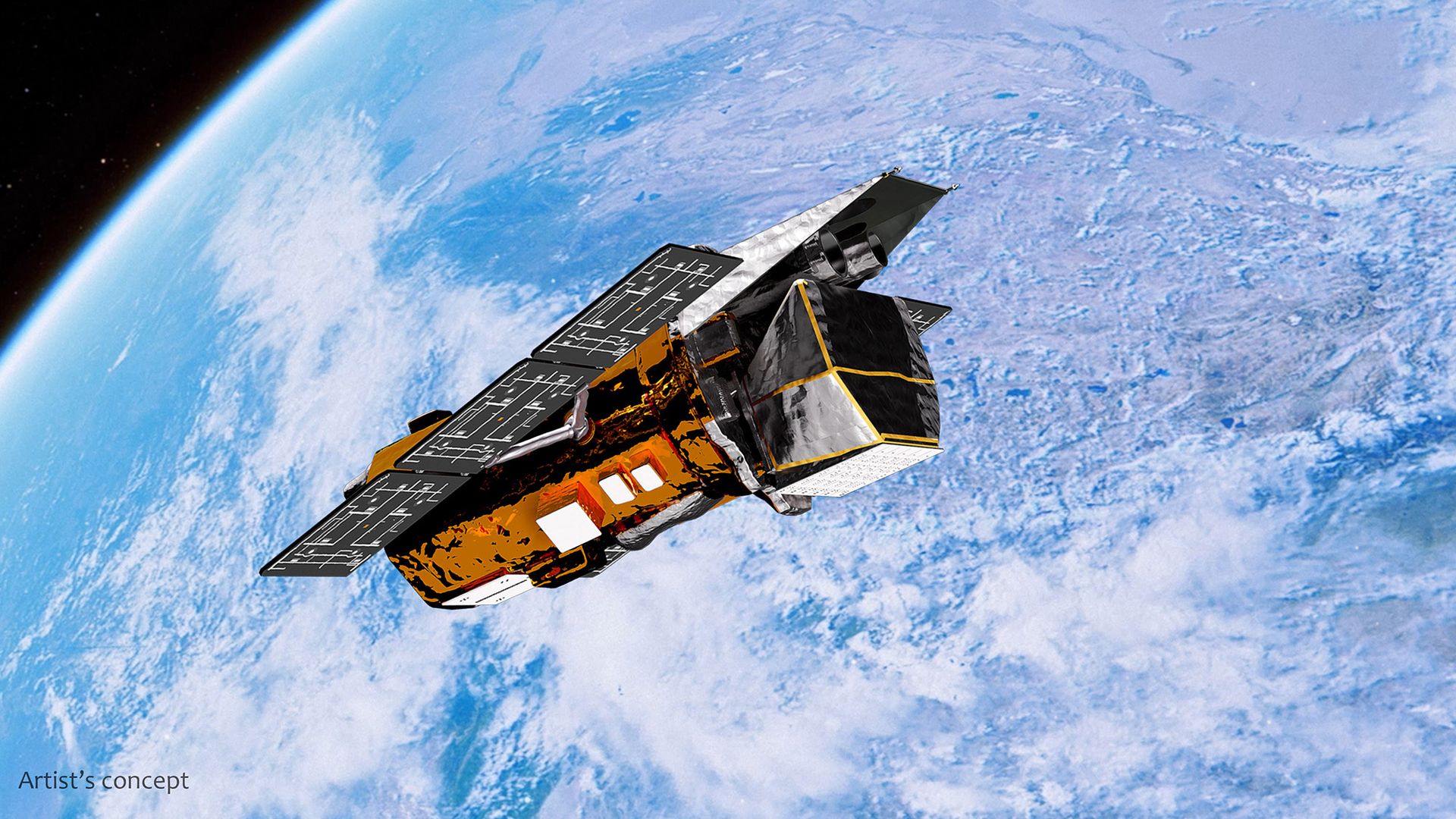
NASA's Neil Gehrels Swift Observatory has officially ended its mission after more than 20 years, as it approaches a fiery reentry through Earth's atmosphere.
Most of the 1 ½-ton telescope is expected to burn up in the atmosphere. A NASA telescope is barely clinging to space after a failed rescue effort left it tottering lower and lower. Covered by 12 outlets: 4 lean left, 8 are centre.
NASA Aging NASA telescope the Swift Observatory is expected to fall back to Earth by Friday after a failed attempt to rescue it last week. Most of the one-and-a-half-ton telescope is expected to burn up in the...
NASA's Swift Observatory may make a fiery return to Earth around Friday after more than two decades studying gamma-ray bursts.
NASA telescope is on the verge of plunging back to Earth after failed rescue mission ABC News - Breaking News, Latest News and Videos See more headlines & perspectives on Google News
Budget gutted and shuttles grounded, the federal agency can only appeal to the private sector for help.
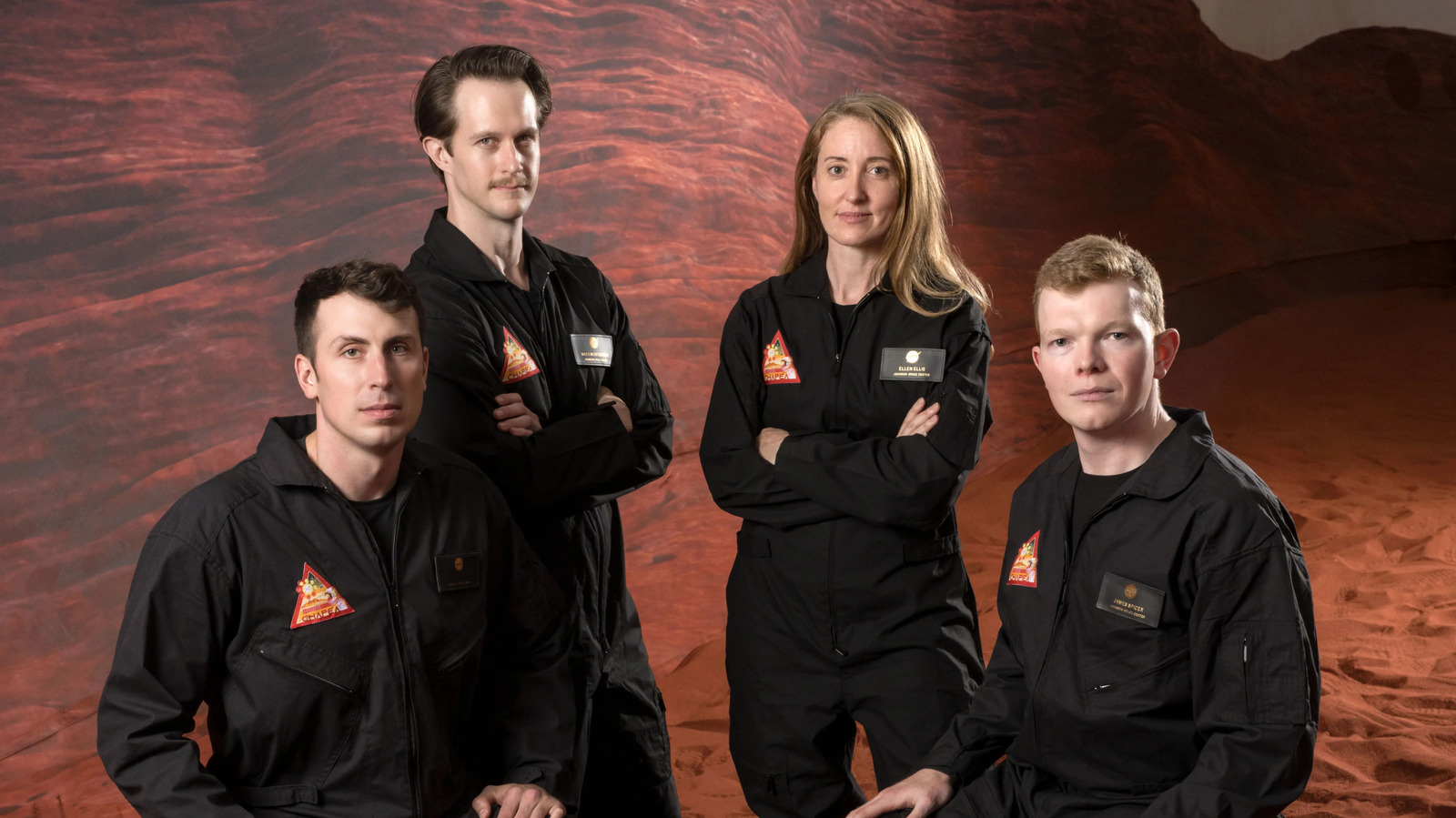
The second crew that spent a year inside NASA's simulated Mars habitat is emerging today, and the agency will stream it live.
The space agency revealed several astral oddities on Wednesday ahead of October 31.
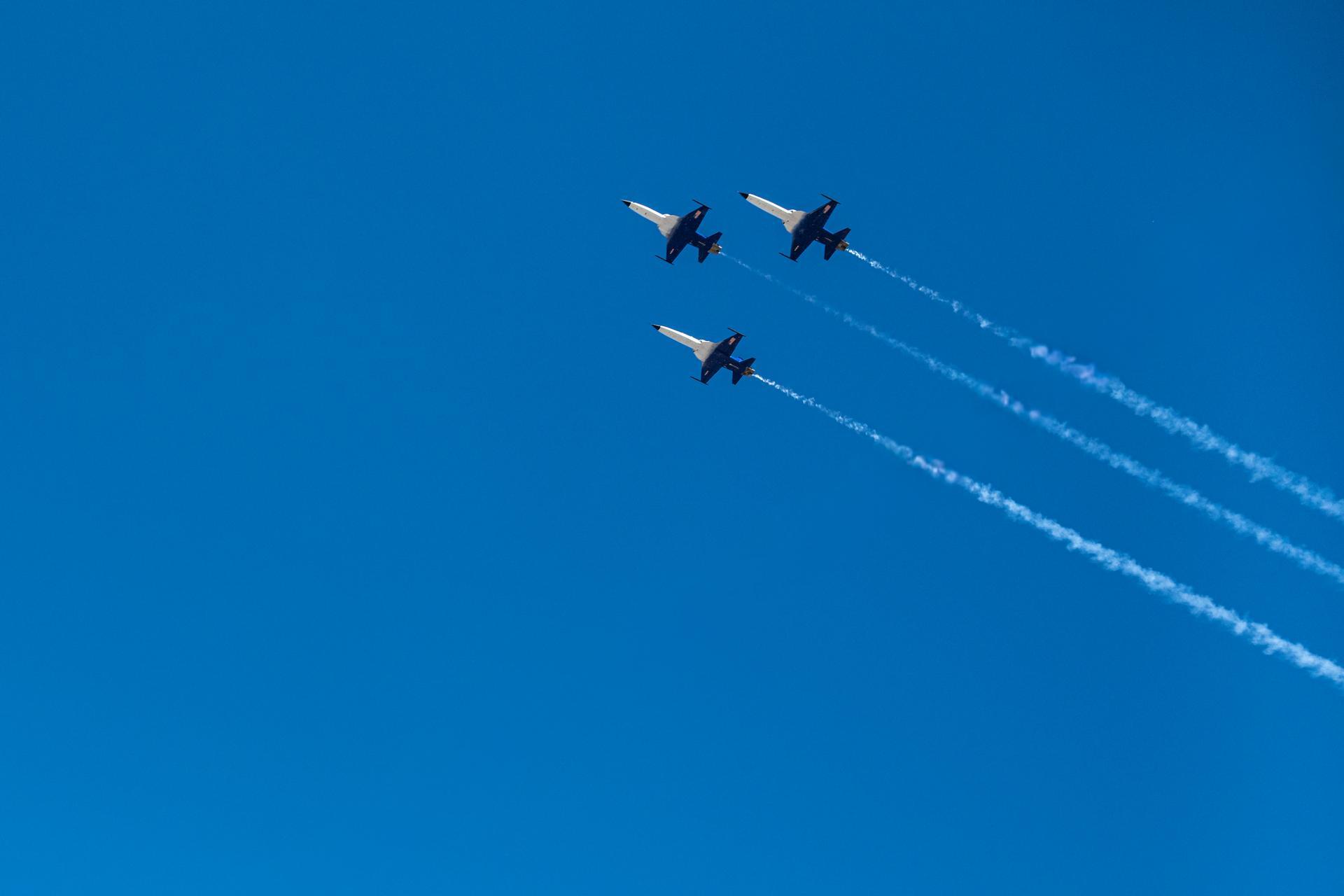
America’s newest aerospace expo and air show – MAX POWER – is fast approaching, and NASA has announced key events beginning Friday, Nov. 6, and running through Sunday, Nov. 8, hosted on and near the agency’s Kennedy Space Center in...
Check out October 2026's roundup of "Explore with Discover " weekly science tips and learn more about the natural world around you.
NASA's Voyager team is celebrating two recent developments with the Voyager 1 spacecraft: In September, they successfully completed a months-long effort to stretch the spacecraft's diminishing power supply. Then, on Oct. 20, an...
Most of us could spend our entire lives looking at the night sky and see very few changes. The moon becomes more or less illuminated, the planets drift placidly through the sky, satellites and the ISS intrude for a few moments at a...
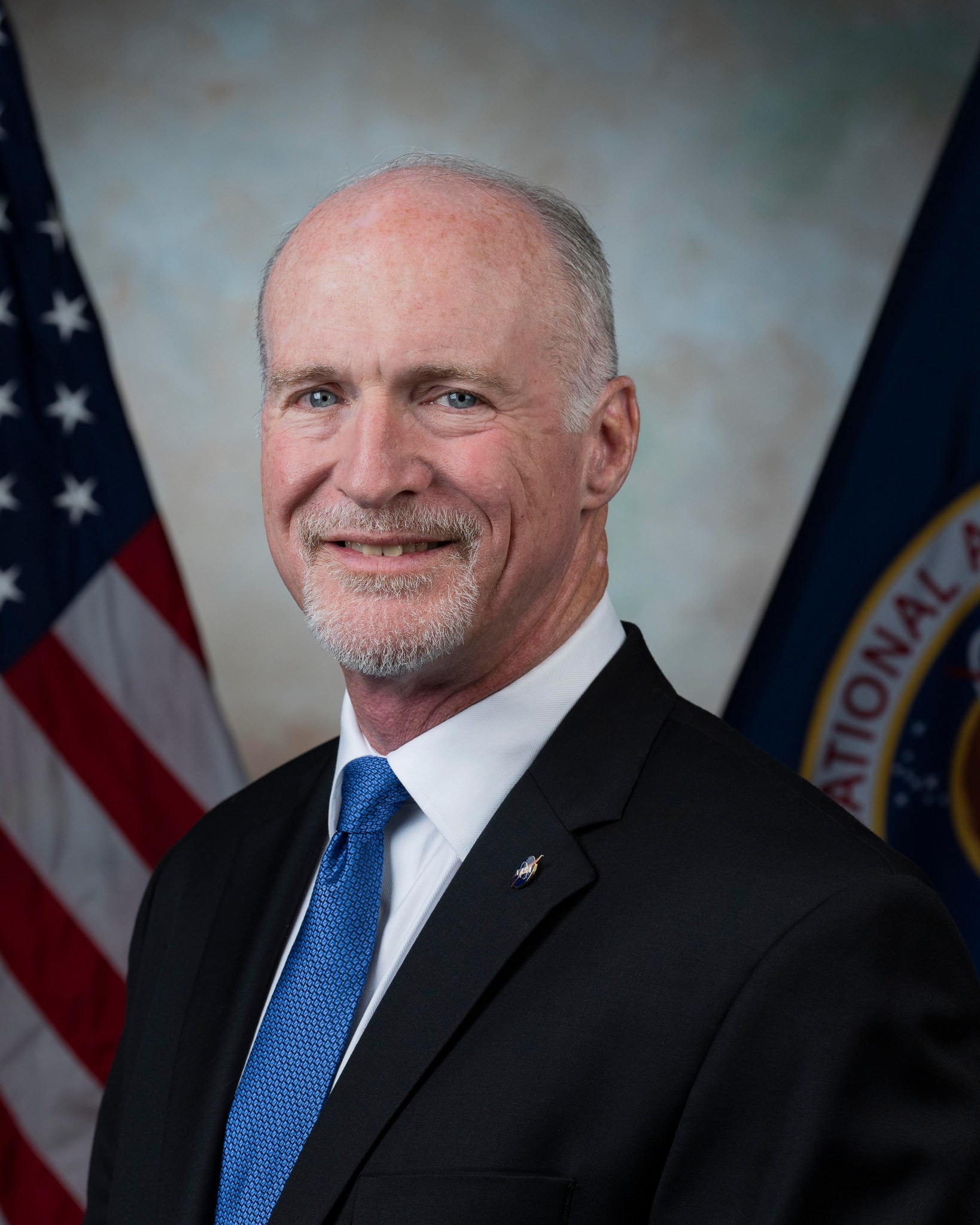
NASA Administrator Jared Isaacman has named Troy Asher director of the agency’s Armstrong Flight Research Center in Edwards, California. Asher, a veteran test pilot and aerospace engineer with decades of experience in flight research...
The Quantum-Enabled Predictive Preclinical NAMs for Toxicity and Safety (QuSAFE) Challenge, a collaboration between the National Institutes of Health (NIH) and NASA, advances quantum-enabled sensing for in vitro NAMs, such as organoids...
Read this release in English here. Puede que nunca llegues a surcar los cielos bajo las nubes o sobre las arenas orgánicas de la luna Titán de Saturno, ¡pero tu nombre sí puede hacerlo! La NASA invita al público a enviar su nombre a...
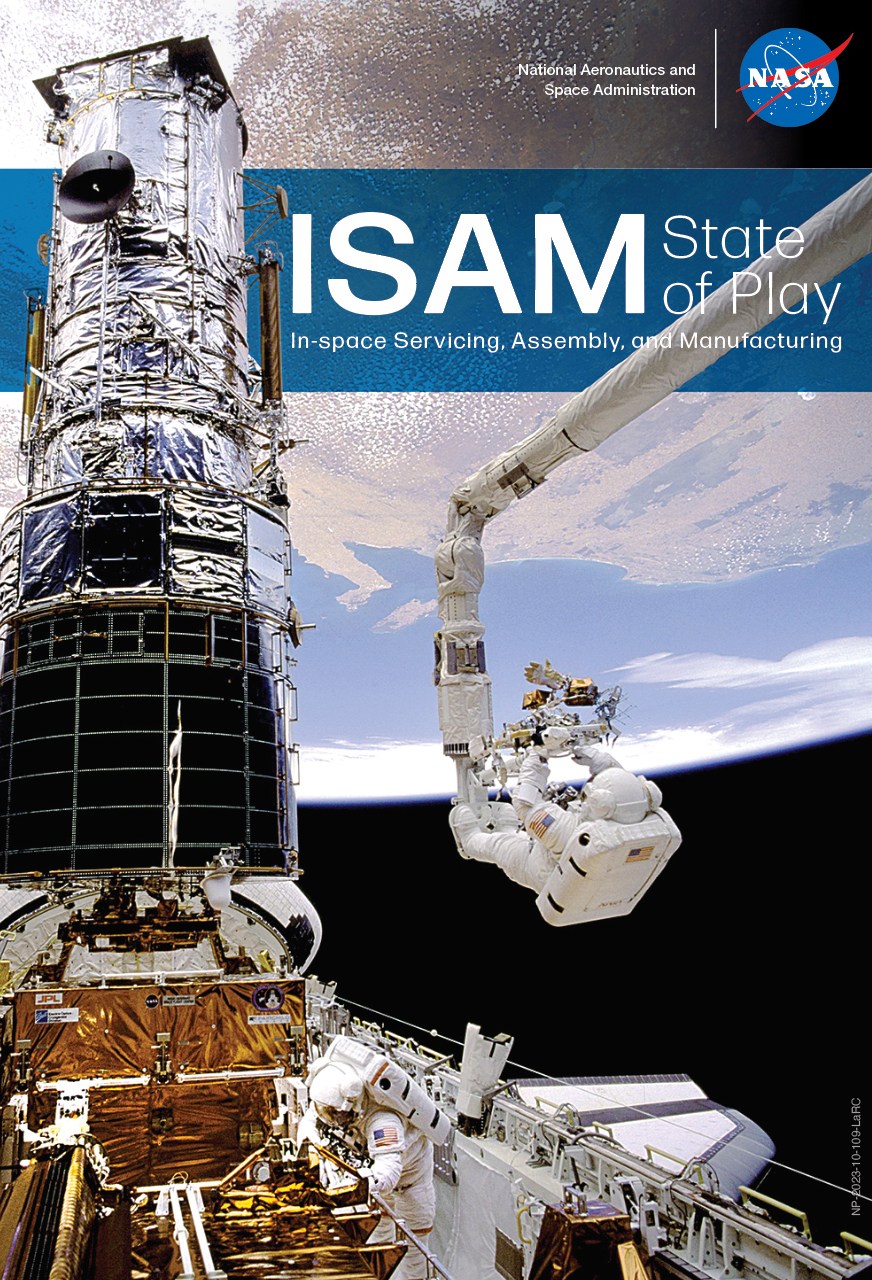
When companies began approaching NASA’s Langley Research Center, asking to be included in the In-Space Servicing, Assembly, and Manufacturing (ISAM) State of Play for access to competitive intelligence, the team knew they had crossed an...
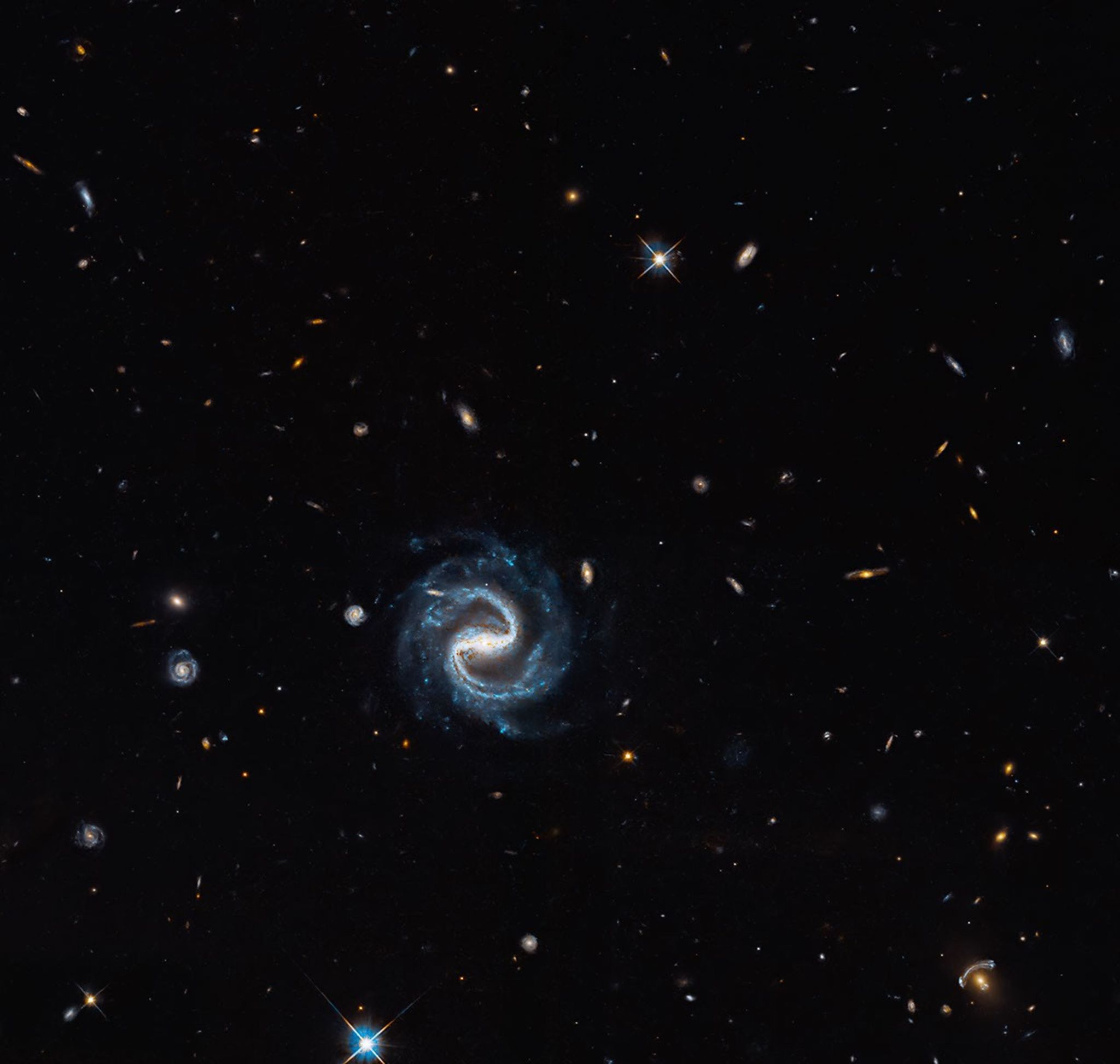
A sweeping barred galaxy takes center stage in this Oct. 22, 2026, image, but the gravitational lensing at bottom right is the real target. This observation is one of many gravitational lensing images taken by NASA’s Hubble Space...
Jared Spiers had an interest in contributing to NASA’s mission long before becoming a civil servant for the agency. Growing up close to NASA’s Stennis Space Center near Bay St. Louis, Mississippi, and hearing about his father’s work...
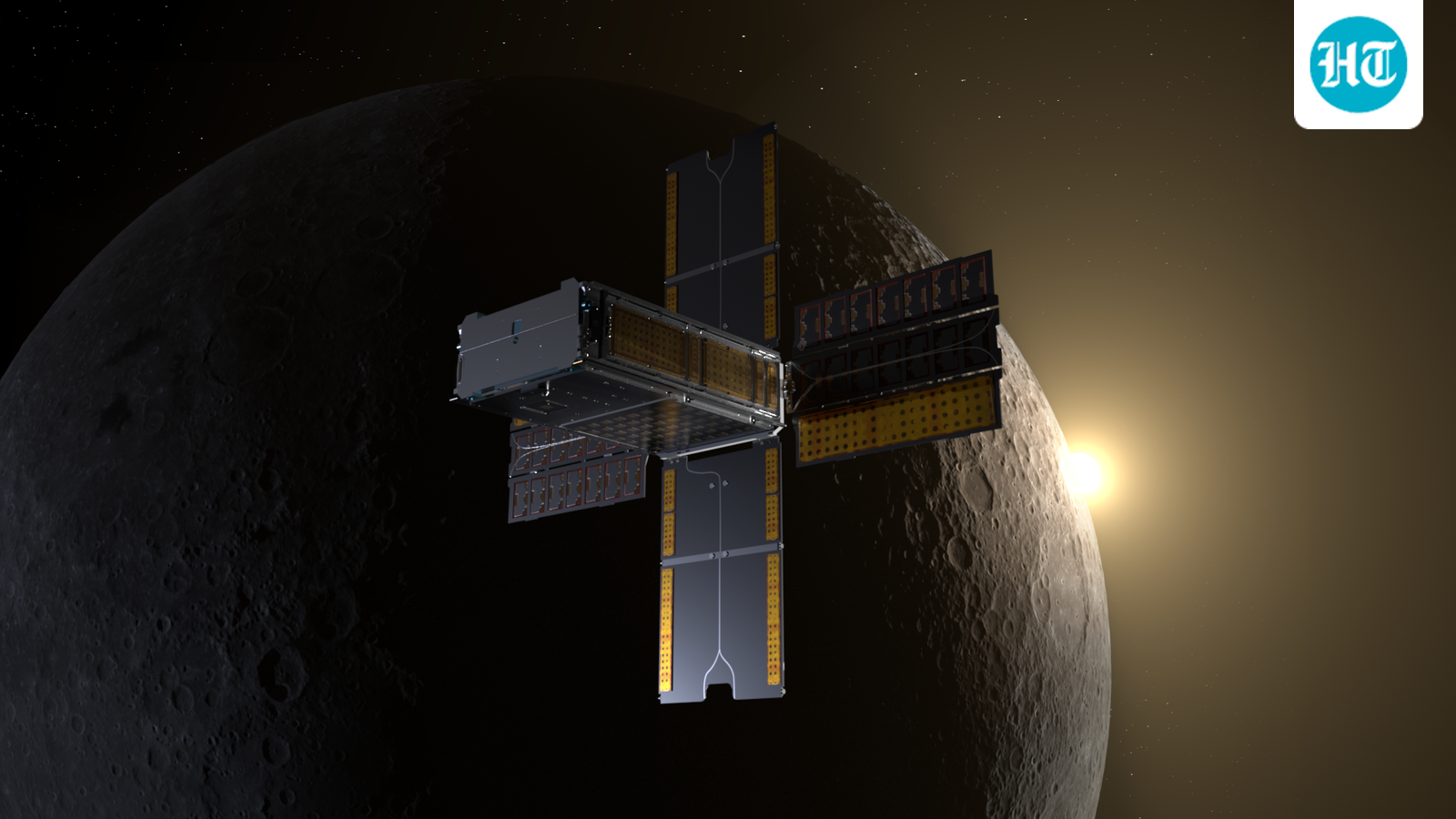
In 2022, NASA’s BioSentinel flew yeast past the Moon. The cells never grew, likely expired before launch, but its radiation detector still collected data.
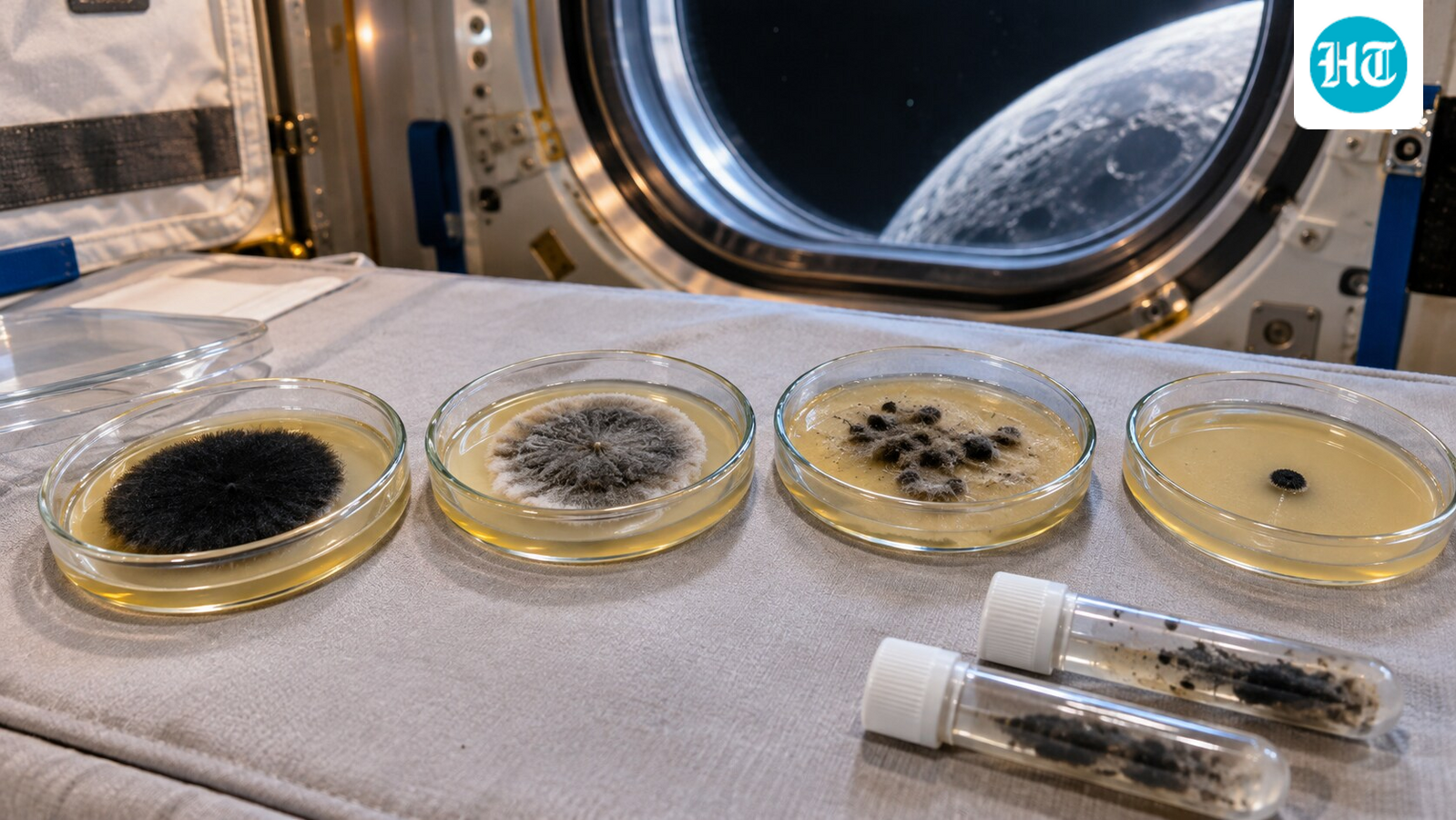
In 2022, a black mold and three mutant strains flew around the Moon on Artemis I. All 20 samples grew, and the team rated the experiment excellent, per NASA.
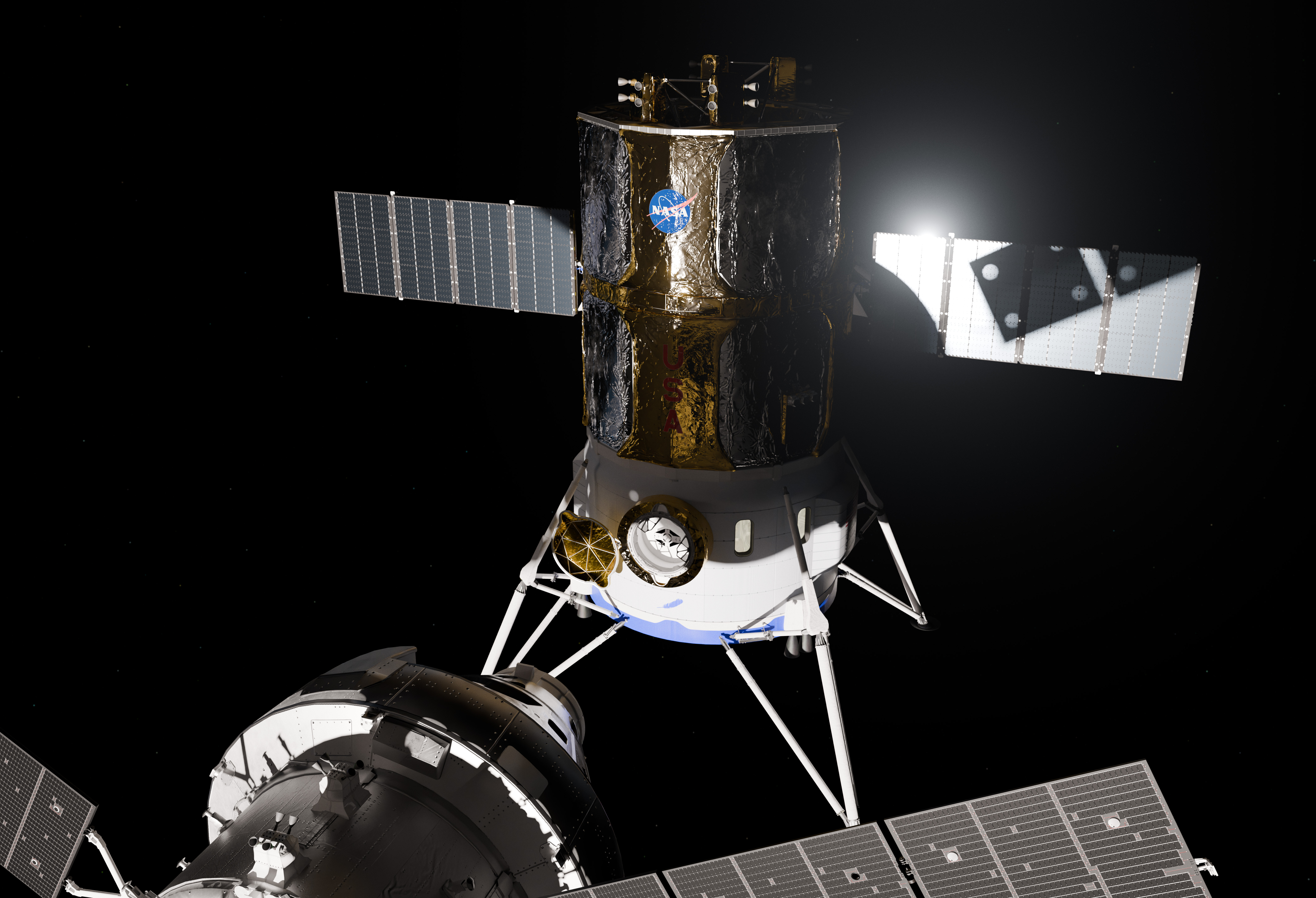
A dress rehearsal for a moon landing will test the space agency's mettle.
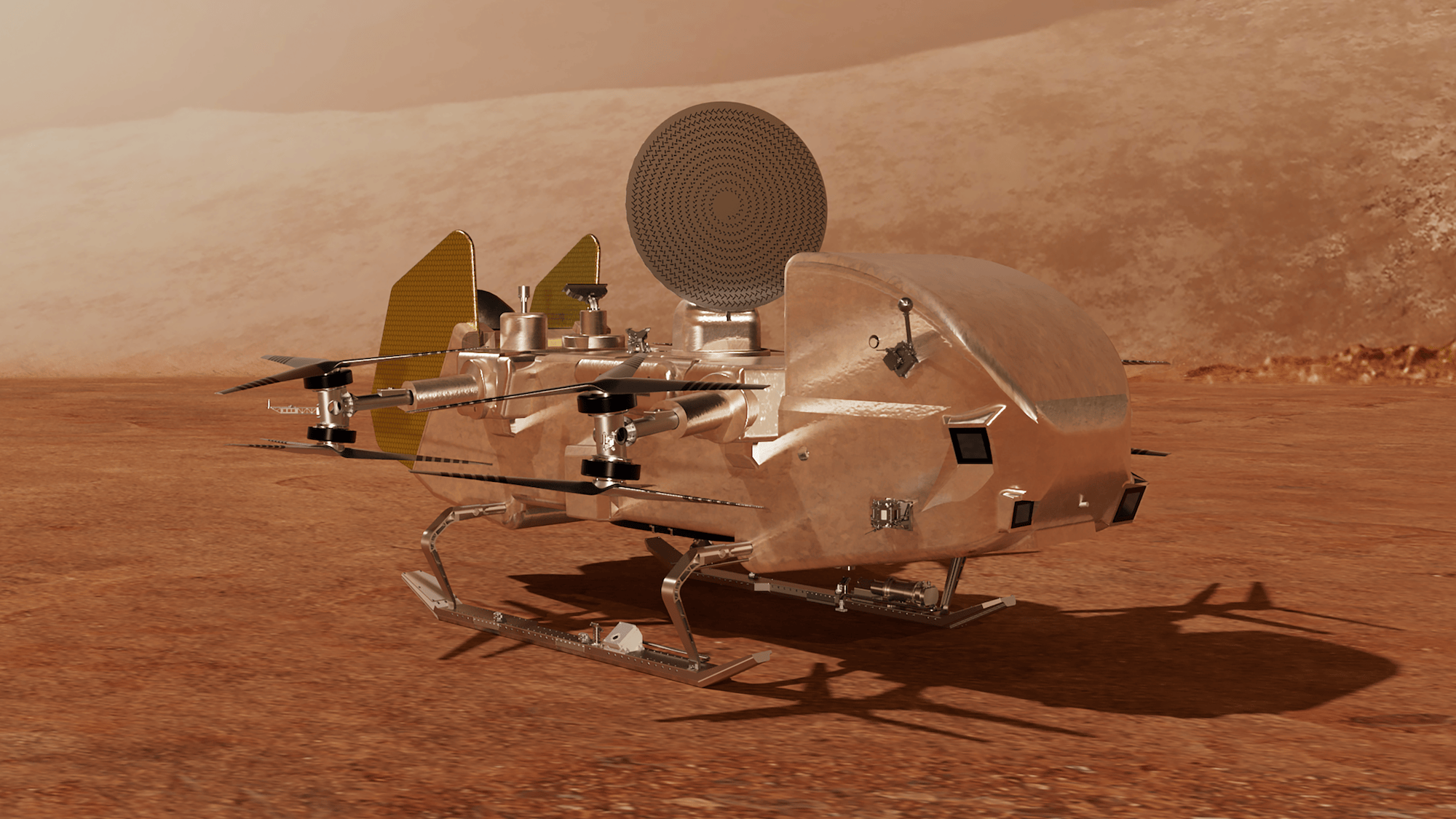
You may never soar under the clouds or over the organic sands of Saturn’s moon Titan, but your name can. Covered by 3 outlets: 3 are centre.
NASA's mission to search for life’s building blocks on Titan is scheduled for 2028.
NASA invites people to fly their names to Saturn's moon, Titan, aboard Dragonfly WION Send Your Name to Titan Aboard NASA’s Dragonfly Mission NASA (.gov) NASA’s Dragonfly moving through integration and testing at APL...
Like a spectral form rising out of a cold mist, NASA’s Hubble and James Webb Space Telescopes have captured a hauntingly dynamic star-forming scene. It lies within the vast Carina Nebula, a diffuse star-forming region located about...
NASA's Hubble and James Webb Space Telescopes have captured a hauntingly dynamic star-forming scene, like a spectral form rising out of a cold mist. It lies within the vast Carina Nebula, a diffuse star-forming...
NASA’s Lucy travels more than 2.2 billion miles in 5 years, becoming the first spacecraft to reach Jupite The Times of India NASA’s Lucy Reaches Trojan Asteroid Region 5 Years After Launch NASA Science (.gov) NASA said on October 28,...
Former NASA astronaut Winston Scott said he believes intelligent alien life exists, but cautioned that military conflict in space remains possible amid tensions involving the US, Russia and China.
NASA's TRACERS (Tandem Reconnection and Cusp Electrodynamics Reconnaissance Satellites) mission has gathered its first clues to how space weather affects Earth's magnetic field. In a new paper published in the Journal of Geophysical...
The AI medical assistant is still being tested. Now the space boffins want to give it hands
NASA chose to work with EarthDaily because of its 'forward-thinking' approach to Earth imaging, says CEO Don Osborne
A NASA wheat test on the ISS lasted 73 days: plants grew 10% taller than Earth controls, while microgravi The Times of India
Twin Travelers In 1977, NASA launched twin spacecraft Voyager 1 and 2, taking advantage of a once-every-175-year planetary alignment of the four largest planets in our solar system: Jupiter, Saturn, Uranus, and Neptune. Using six...
As NASA and its partners prepare for longer human missions beyond Earth, University of Florida researchers are investigating a challenge that could affect astronauts' ability to grow fresh food in space: plant disease.
Space station experiment to probe plant disease risks for future moon and Mars missions Phys.org A NASA wheat test on the ISS lasted 73 days: plants grew 10% taller than Earth controls, while microgravity also...
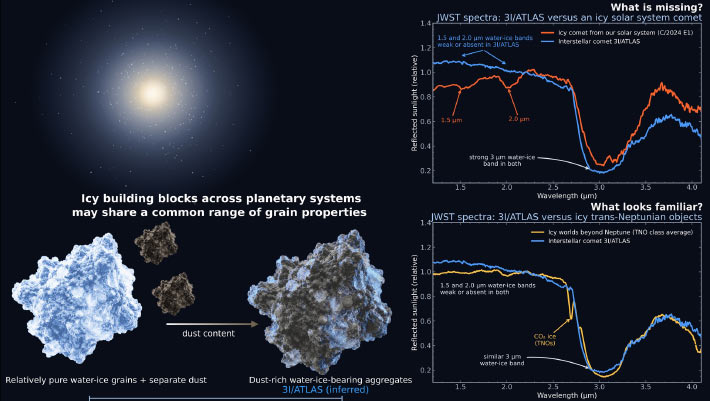
Astronomers using the NASA/ESA/CSA James Webb Space Telescope have found that the water ice in the interstellar comet 3I/ATLAS is mixed with dark, rocky material in tiny grains.
Learn more about the unique ice grains from comet 3I/ATLAS and how they may hold clues to the building blocks of planets.
Every day, two NASA space instruments known as the Orbiting Carbon Observatory-2 and -3 (OCO-2 and OCO-3) capture more than a million observations of sunlight reflecting off Earth's surface. Using the physics of how light travels...
As NASA works toward a sustained human presence on the moon, researchers at The University of Alabama in Huntsville (UAH), a part of The University of Alabama System, are helping solve one of the most pressing challenges facing future...