INDBInternet News Database 2.5 Updated just now · 393 sources Show or hide images Light or dark

Results for “Earth's Moon”

Science
2 sources
Truth score 55
Centre 50%50%Right 50%50%
The Jerusalem PostLeans right

European-Japanese spacecraft reaches Mercury after eight-year journey, suffers glitch

Mercury, only slightly larger than Earth's Moon, is the least explored of the four planets in the inner solar system, with BepiColombo only the third spacecraft to visit the planet.

Lean: Leans right Fact-focusedFactuality: HighCountry: IsraelFunding: PrivateOwner: Jerusalem Post Group
Full coverage
Coverage breakdown
Funding
Private100%
Countries
United States50%
Israel50%
Media ownership
Newsweek Media Group50%
Jerusalem Post Group50%
Avg reliability72
Low-credibility share0%
Fact / opinion2/0
State media0%
More analysis
Truth score: 55 (Limited corroboration) Propaganda risk: 0 Trending: Low Sources: 2 Reliability: 72 Bias severity: 0 Risk: 0Sentiment: 0Sensationalism: 0 Amplification: 0

How we score

Like
Science
1 source

Who is covering this

PhysCenter
Truth score 38
Centre 100%100%
PhysCenter

Earth's gravity may have kept the early moon's volcanic heart beating

We typically think of the moon as a static, floating object that has remained the same for basically its entire lifetime, with an occasional asteroid impact serving as an exception. That understanding is grounded in physics—the moon...

Lean: Center Fact-focusedFactuality: Mostly factualCountry: United StatesFunding: CorporateOwner: Independent
Full coverage
Coverage breakdown
Funding
Corporate100%
Countries
United States100%
Media ownership
Independent100%
Avg reliability65
Low-credibility share0%
Fact / opinion1/0
State media0%
More analysis
Truth score: 38 (Weakly supported) Propaganda risk: 0 Trending: Low Sources: 1 Reliability: 65 Bias severity: 0 Risk: 0Sentiment: 0Sensationalism: 0 Amplification: 0

How we score

Like
1 source

Who is covering this

GizmodoLeans left
Truth score 40
Left 100%100%
GizmodoLeans left

Welcome Earth’s New Mini-Moon. It’s Adorably Tiny and Has a Loopy Orbit

First mistaken for space junk, 2026 QQ8 has turned out to be a temporary companion to Earth.

Lean: Leans left Fact-focusedFactuality: Mostly factualCountry: United StatesFunding: CorporateOwner: G/O Media
Full coverage
Coverage breakdown
Funding
Corporate100%
Countries
United States100%
Media ownership
G/O Media100%
Avg reliability70
Low-credibility share0%
Fact / opinion1/0
State media0%
More analysis
Truth score: 40 (Limited corroboration) Propaganda risk: 0 Trending: Low Sources: 1 Reliability: 70 Bias severity: 0 Risk: 0Sentiment: 0Sensationalism: 0 Amplification: 0

How we score

Like
Science
1 source
Truth score 34
No rated outlets yet
Discover Top StoriesNo political lean

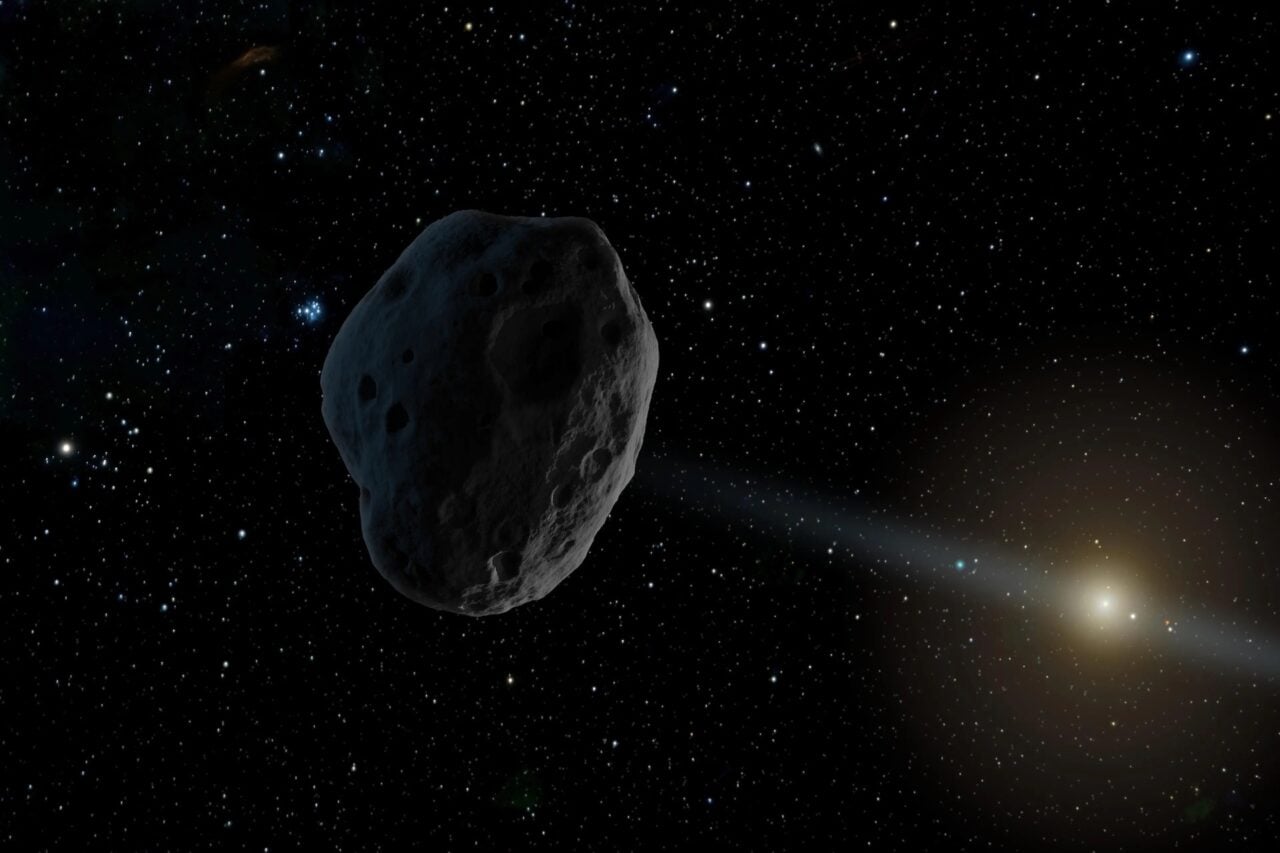
A Tiny Object Thought to Be Space Junk Is Earth's Newest Mini-Moon, but 2026 QQ8 Isn't Sticking Around

Learn more about 2026 QQ8, also known as Earth's newest mini-moon that was first spotted on Aug. 20, 2026.

Lean: No political lean Fact-focusedCountry: United StatesFunding: CorporateOwner: Independent
Full coverage
Coverage breakdown
Funding
Corporate100%
Countries
United States100%
Media ownership
Independent100%
Avg reliability-
Low-credibility share0%
Fact / opinion1/0
State media0%
More analysis
Truth score: 34 (Weakly supported) Propaganda risk: 0 Trending: Low Sources: 1 Reliability: Not rated Bias severity: 0 Risk: 0Sentiment: 0Sensationalism: 0 Amplification: 0
How we score

Like
Business
2 sources

Who is covering this

Google NewsCenterNewsCenter
Truth score 50
Centre 100%100%
Google NewsCenter

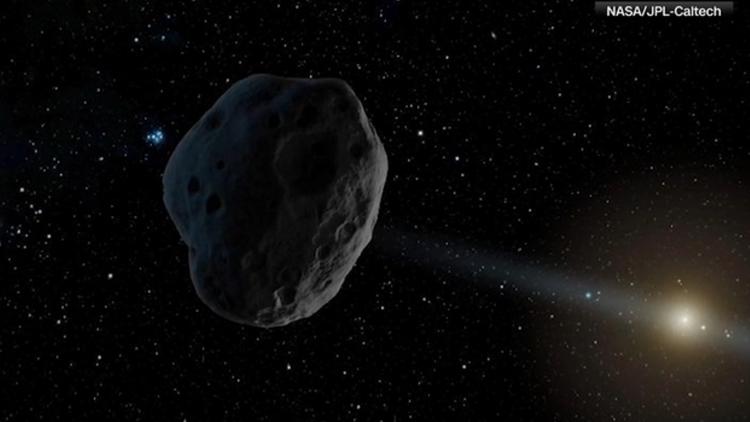
An extra ‘mini-moon’ will orbit Earth for the next months

An extra ‘mini-moon’ will orbit Earth for the next months CNN See more headlines & perspectives on Google News

Lean: Center Fact-focusedFactuality: HighCountry: United StatesFunding: Corporate
+ 1 · Full coverage
Coverage breakdown
Funding
Corporate100%
Countries
United States50%
India50%
Media ownership
Google News50%
Independent50%
Avg reliability70
Low-credibility share0%
Fact / opinion3/0
State media0%
More analysis
Truth score: 50 (Limited corroboration) Propaganda risk: 0 Trending: Low Sources: 2 Reliability: 70 Bias severity: 0 Risk: 0Sentiment: 67Sensationalism: 0 Amplification: 0

How we score

Like
No rated outlets yet
KARENot rated

Earth is hosting a second moon, but it's only temporary

The Earth has a new moon, but it's only temporary. Covered by 8 outlets: 8 are not rated.

Lean: Not rated Fact-focusedCountry: United States
+ 3 · Full coverage
Coverage breakdown
Funding
Not recorded100%
Countries
United States100%
Media ownership
KARE12%
KING-TV12%
WGRZ12%
KHOU12%
WFMY-TV12%
Avg reliability-
Low-credibility share0%
Fact / opinion8/0
State media0%
More analysis
Truth score: 64 (Corroborated) Propaganda risk: 0 Trending: Low Sources: 8 Reliability: Not rated Bias severity: 0 Risk: 0Sentiment: 0Sensationalism: 0 Amplification: 0

How we score

Like
Entertainment
1 source

Who is covering this

UncutNo political lean
Truth score 34
No rated outlets yet
UncutNo political lean

“This is not Earth music”: the fraught story of Television’s epochal debut album, Marquee Moon

Guitarist Richard Lloyd reveals the full story

Lean: No political lean Fact-focusedCountry: United KingdomFunding: CorporateOwner: Independent
Full coverage
Coverage breakdown
Funding
Corporate100%
Countries
United Kingdom100%
Media ownership
Independent100%
Avg reliability-
Low-credibility share0%
Fact / opinion1/0
State media0%
More analysis
Truth score: 34 (Weakly supported) Propaganda risk: 0 Trending: Low Sources: 1 Reliability: Not rated Bias severity: 0 Risk: 0Sentiment: 0Sensationalism: 0 Amplification: 0

How we score

Like
Entertainment
1 source

Who is covering this

The GuardianLeft
Truth score 45
Left 100%100%
The GuardianLeft

‘How on earth is this man not sweating?’ Director Brett Morgen’s painstaking 10-year remaster Bowie’s ‘greatest filmed performance’

Moonage Daydream director Brett Morgan has turned lost footage of two 1978 concerts into an arena spectacular. ‘You can feel the danger and excitement’, he says • ‘Lost’ 1978 David Bowie tour film to play arenas in 2027, remastered by...

Lean: Left Fact-focusedFactuality: Very highCountry: United KingdomFunding: Nonprofit trustOwner: Scott Trust
Full coverage
Coverage breakdown
Funding
Nonprofit trust100%
Countries
United Kingdom100%
Media ownership
Scott Trust100%
Avg reliability85
Low-credibility share0%
Fact / opinion1/0
State media0%
More analysis
Truth score: 45 (Limited corroboration) Propaganda risk: 0 Trending: Low Sources: 1 Reliability: 85 Bias severity: 0 Risk: 0Sentiment: 0Sensationalism: 0 Amplification: 0

How we score

Like
Left 20%20%Centre 80%80%
The GuardianLeft

Spuds in space: scientists say potatoes could be key food source for future moon base

Researchers have shown that potatoes grown in simulated lunar soil amended with organic matter are safe to eat and can achieve growth and yields comparable to those produced on Earth. Potatoes (Solanum tuberosum) can complete their life...

Lean: Left Fact-focusedFactuality: Very highCountry: United KingdomFunding: Nonprofit trustOwner: Scott Trust
+ 1 · Full coverage
Coverage breakdown
Funding
Corporate83%
Nonprofit trust17%
Countries
United States50%
United Kingdom33%
India17%
Media ownership
Independent50%
Thomson Reuters17%
Scott Trust17%
Google News17%
Avg reliability76
Low-credibility share0%
Fact / opinion6/0
State media0%
More analysis
Truth score: 73 (Corroborated) Propaganda risk: 0 Trending: Low Sources: 6 Reliability: 76 Bias severity: 0 Risk: 0Sentiment: 17Sensationalism: 0 Amplification: 0

How we score

Like
Left 29%29%Centre 56%56%Right 15%15%
PBS NewsHourLeans left

A NASA space telescope plunged back to Earth after a mission that lasted 11 times longer than planned

The Swift Observatory's demise came less than three months after a long-shot rescue mission failed. The Swift Observatory is barely clinging to space after a failed rescue effort left it tottering lower and lower. Covered by 41 outlets:...

Lean: Leans left Fact-focusedFactuality: Very highCountry: United StatesFunding: Public broadcasterOwner: PBS (Nonprofit)
+ 81 · Full coverage
Coverage breakdown
Funding
Corporate67%
Private16%
Public broadcaster7%
Not recorded7%
Nonprofit2%
Countries
United States64%
United Kingdom11%
India9%
Canada7%
Australia2%
Media ownership
Independent52%
BuzzFeed Inc.4%
Google News4%
Woodbridge Company4%
The Hindu Group4%
Avg reliability72
Low-credibility share2%
Fact / opinion86/0
State media0%
More analysis
Truth score: 90 (Strongly corroborated) Propaganda risk: 0 Trending: Low Sources: 45 Reliability: 72 Bias severity: 33 Risk: 2Sentiment: -30Sensationalism: 1 Amplification: 0

How we score

Like
Left 39%39%Centre 57%57%Right 4%4%
The New York TimesLeft

NASA Is Seeking Its Next Class of Astronauts

The new space travelers will most likely be trained for missions to the moon and space stations in low-Earth orbit. Covered by 20 outlets: 8 lean left, 6 are centre, 1 lean right, 5 are not rated.

Lean: Left Fact-focusedFactuality: Very highCountry: United StatesFunding: PrivateOwner: NY Times Company
+ 44 · Full coverage
Coverage breakdown
Funding
Corporate59%
Not recorded21%
Private10%
Public broadcaster3%
Nonprofit trust3%
Countries
United States69%
India14%
United Kingdom7%
Canada3%
Hong Kong3%
Media ownership
Independent29%
G/O Media12%
Google News6%
Bangor Publishing Co.6%
The Seattle Times6%
Avg reliability74
Low-credibility share0%
Fact / opinion49/0
State media3%
More analysis
Truth score: 91 (Strongly corroborated) Propaganda risk: 0 Trending: Low Sources: 29 Reliability: 74 Bias severity: 80 Risk: 0Sentiment: 4Sensationalism: 1 Amplification: 0

How we score

Like
Centre 100%100%
PopsciCenter

Earth’s first fully-marine amphibian stalked the seafloor with a chunky, bony body

‘Gerrothorax maritimus’ lived about 237 million years ago, when parts of China were covered by an ocean. Learn more about Gerrothorax maritimus, an ancient amphibian that may have lived in a fully marine ecosystem. Covered by 3 outlets:...

Lean: Center Fact-focusedFactuality: Mostly factualCountry: United StatesFunding: CorporateOwner: Independent
Full coverage
Coverage breakdown
Funding
Corporate100%
Countries
United States100%
Media ownership
Independent100%
Avg reliability65
Low-credibility share0%
Fact / opinion3/0
State media0%
More analysis
Truth score: 54 (Limited corroboration) Propaganda risk: 0 Trending: Low Sources: 3 Reliability: 65 Bias severity: 0 Risk: 0Sentiment: 0Sensationalism: 0 Amplification: 0

How we score

Like
Science
1 source
Truth score 34
No rated outlets yet
Breaking Science NewsNo political lean

Earth’s Mountains May Have Helped Make It Habitable, New Study Says

Earth’s rise from a hot, oxygen-free world to a planet that can support complex life may have been driven partly by the mountains, according to a new study.

Lean: No political lean Fact-focusedCountry: United StatesFunding: CorporateOwner: Independent
Full coverage
Coverage breakdown
Funding
Corporate100%
Countries
United States100%
Media ownership
Independent100%
Avg reliability-
Low-credibility share0%
Fact / opinion1/0
State media0%
More analysis
Truth score: 34 (Weakly supported) Propaganda risk: 0 Trending: Low Sources: 1 Reliability: Not rated Bias severity: 0 Risk: 0Sentiment: 0Sensationalism: 0 Amplification: 0

How we score

Like
Science
1 source

Who is covering this

PhysCenter
Truth score 38
Centre 100%100%
PhysCenter

Earth's orbital asymmetries share recurring rhythms with El Niño, study finds

Every few years, an unusual warming of surface waters across the central and eastern tropical Pacific—known as El Niño—reorganizes atmospheric circulation worldwide, bringing severe droughts to some continents and torrential rainfall to...

Lean: Center Fact-focusedFactuality: Mostly factualCountry: United StatesFunding: CorporateOwner: Independent
Full coverage
Coverage breakdown
Funding
Corporate100%
Countries
United States100%
Media ownership
Independent100%
Avg reliability65
Low-credibility share0%
Fact / opinion1/0
State media0%
More analysis
Truth score: 38 (Weakly supported) Propaganda risk: 0 Trending: Low Sources: 1 Reliability: 65 Bias severity: 0 Risk: 0Sentiment: 0Sensationalism: 0 Amplification: 0

How we score

Like
1 source

Who is covering this

GizmodoLeans left
Truth score 40
Left 100%100%
GizmodoLeans left

Earth’s Ice Has Crossed an Alarming Threshold—and There May Be No Going Back

The cryosphere is integral to the climate system, but it's breaking down in a warming world.

Lean: Leans left Fact-focusedFactuality: Mostly factualCountry: United StatesFunding: CorporateOwner: G/O Media
Full coverage
Coverage breakdown
Funding
Corporate100%
Countries
United States100%
Media ownership
G/O Media100%
Avg reliability70
Low-credibility share0%
Fact / opinion1/0
State media0%
More analysis
Truth score: 40 (Limited corroboration) Propaganda risk: 0 Trending: Low Sources: 1 Reliability: 70 Bias severity: 0 Risk: 0Sentiment: 0Sensationalism: 0 Amplification: 0

How we score

Like
Science
1 source

Who is covering this

PhysCenter
Truth score 38
Centre 100%100%
PhysCenter

Earth's 'core carbon' may have come from the far reaches of the solar system

A new study suggests that most of Earth's carbon originated in the outer solar system and didn't arrive here until the late stages of planetary development. The study, led by researchers at Yale and Columbia, is based upon an analysis...

Lean: Center Fact-focusedFactuality: Mostly factualCountry: United StatesFunding: CorporateOwner: Independent
Full coverage
Coverage breakdown
Funding
Corporate100%
Countries
United States100%
Media ownership
Independent100%
Avg reliability65
Low-credibility share0%
Fact / opinion1/0
State media0%
More analysis
Truth score: 38 (Weakly supported) Propaganda risk: 0 Trending: Low Sources: 1 Reliability: 65 Bias severity: 0 Risk: 0Sentiment: 0Sensationalism: 0 Amplification: 0

How we score

Like
Science
1 source

Who is covering this

Ars TechnicaLeans left
Truth score 43
Left 100%100%
Ars TechnicaLeans left

Earth's churning mantle may have created the Great Unconformity

Explaining the Great Unconformity, where Cambrian deposits sit on top of older rocks.

Lean: Leans left Fact-focusedFactuality: HighCountry: United StatesFunding: CorporateOwner: Condé Nast
Full coverage
Coverage breakdown
Funding
Corporate100%
Countries
United States100%
Media ownership
Condé Nast100%
Avg reliability80
Low-credibility share0%
Fact / opinion1/0
State media0%
More analysis
Truth score: 43 (Limited corroboration) Propaganda risk: 0 Trending: Low Sources: 1 Reliability: 80 Bias severity: 0 Risk: 0Sentiment: 0Sensationalism: 0 Amplification: 0

How we score

Like
Science
1 source

Who is covering this

PhysCenter
Truth score 38
Centre 100%100%
PhysCenter

Earth's slowing spin may have shaped its primordial crust

Around 4.5 billion years ago, a planet-sized object collided with the newly formed Earth, throwing out the debris that would later form the moon. The collision left Earth spinning extremely fast, with days lasting just two to five...

Lean: Center Fact-focusedFactuality: Mostly factualCountry: United StatesFunding: CorporateOwner: Independent
Full coverage
Coverage breakdown
Funding
Corporate100%
Countries
United States100%
Media ownership
Independent100%
Avg reliability65
Low-credibility share0%
Fact / opinion1/0
State media0%
More analysis
Truth score: 38 (Weakly supported) Propaganda risk: 0 Trending: Low Sources: 1 Reliability: 65 Bias severity: 0 Risk: 0Sentiment: 0Sensationalism: 0 Amplification: 0

How we score

Like
Science
1 source

Who is covering this

NewsweekCenter
Truth score 40
Centre 100%100%
NewsweekCenter

Earth's 'Impenetrable' Space Radiation Barrier Breached by Solar Storm

Scientists found a major solar storm sent high-energy electrons into a region around Earth that they thought was protected.

Lean: Center Fact-focusedFactuality: Mostly factualCountry: United StatesFunding: PrivateOwner: Newsweek Media Group
Full coverage
Coverage breakdown
Funding
Private100%
Countries
United States100%
Media ownership
Newsweek Media Group100%
Avg reliability70
Low-credibility share0%
Fact / opinion1/0
State media0%
More analysis
Truth score: 40 (Limited corroboration) Propaganda risk: 0 Trending: Low Sources: 1 Reliability: 70 Bias severity: 0 Risk: 0Sentiment: -100Sensationalism: 0 Amplification: 0

How we score

Like
Science
1 source

Who is covering this

PhysCenter
Truth score 38
Centre 100%100%
PhysCenter

Migrating moth uses Earth's magnetic field as a compass

Every year, the bogong moth sets off on long migrations through the night. To find its way, it uses the stars as a guide. Now, a new study from Lund University shows that, like migratory birds, the moth also has a built-in magnetic...

Lean: Center Fact-focusedFactuality: Mostly factualCountry: United StatesFunding: CorporateOwner: Independent
Full coverage
Coverage breakdown
Funding
Corporate100%
Countries
United States100%
Media ownership
Independent100%
Avg reliability65
Low-credibility share0%
Fact / opinion1/0
State media0%
More analysis
Truth score: 38 (Weakly supported) Propaganda risk: 0 Trending: Low Sources: 1 Reliability: 65 Bias severity: 0 Risk: 0Sentiment: 0Sensationalism: 0 Amplification: 0
How we score

Like
Science
1 source
Truth score 421
Left 100%100%
The Sydney Morning HeraldLeans left

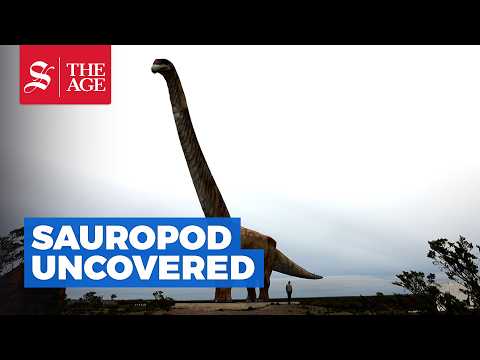
Inside the hunt for Earth’s biggest dinosaurs

A fossil hunt in the badlands of Patagonia has revealed a Sauropod skeleton, critical to the story of biology’s grandest giants. Subscribe to our YouTube channel: / smh Read the best of our

Lean: Leans left VideoFactuality: HighCountry: AustraliaFunding: CorporateOwner: Nine Entertainment
Full coverage
Coverage breakdown
Funding
Corporate100%
Countries
Australia100%
Media ownership
Nine Entertainment100%
Avg reliability78
Low-credibility share0%
Fact / opinion1/0
State media0%
More analysis
Truth score: 42 (Limited corroboration) Propaganda risk: 0 Trending: Low Sources: 1 Reliability: 78 Bias severity: 0 Risk: 0Sentiment: 0Sensationalism: 0 Amplification: 0

How we score

Like
Science
1 source

Who is covering this

PhysCenter
Truth score 38
Centre 100%100%
PhysCenter

Two hot zones near Earth's core may fuel volcanoes beneath oceans

The ocean covers around 70% of the Earth's surface, but large parts of the seafloor remain largely unexplored.

Lean: Center Fact-focusedFactuality: Mostly factualCountry: United StatesFunding: CorporateOwner: Independent
Full coverage
Coverage breakdown
Funding
Corporate100%
Countries
United States100%
Media ownership
Independent100%
Avg reliability65
Low-credibility share0%
Fact / opinion1/0
State media0%
More analysis
Truth score: 38 (Weakly supported) Propaganda risk: 0 Trending: Low Sources: 1 Reliability: 65 Bias severity: 0 Risk: 0Sentiment: 0Sensationalism: 0 Amplification: 0

How we score

Like
Science
1 source

Who is covering this

PhysCenter
Truth score 38
Centre 100%100%
PhysCenter

Ancient rocks reveal when Earth's tectonic engine 'switched on'

Scientists have identified a major turning point in Earth's geological history, when the processes shaping the planet's crust changed dramatically and began to resemble the plate tectonics we see today—about 2.5 billion years ago.

Lean: Center Fact-focusedFactuality: Mostly factualCountry: United StatesFunding: CorporateOwner: Independent
Full coverage
Coverage breakdown
Funding
Corporate100%
Countries
United States100%
Media ownership
Independent100%
Avg reliability65
Low-credibility share0%
Fact / opinion1/0
State media0%
More analysis
Truth score: 38 (Weakly supported) Propaganda risk: 0 Trending: Low Sources: 1 Reliability: 65 Bias severity: 0 Risk: 0Sentiment: 0Sensationalism: 0 Amplification: 0

How we score

Like
Science
1 source

Who is covering this

The HillCenter
Truth score 42
Centre 100%100%
The HillCenter

NASA telescope reenters Earth’s atmosphere

Experts say a handful of pieces made of denser-than-lead tungsten and some mirror parts could survive reentry.

Lean: Center Fact-focusedFactuality: HighCountry: United StatesFunding: CorporateOwner: Nexstar Media Group
Full coverage
Coverage breakdown
Funding
Corporate100%
Countries
United States100%
Media ownership
Nexstar Media Group100%
Avg reliability78
Low-credibility share0%
Fact / opinion1/0
State media0%
More analysis
Truth score: 42 (Limited corroboration) Propaganda risk: 0 Trending: Low Sources: 1 Reliability: 78 Bias severity: 0 Risk: 0Sentiment: 0Sensationalism: 0 Amplification: 0

How we score

Like
Science
1 source
Truth score 34
No rated outlets yet
Discover Top StoriesNo political lean

Animals Can Detect Earth’s Magnetic Field, a Potential Sixth Sense That Remains Elusive to Humans

Animals like sea turtles, salmon, pigeons, and sharks can use Earth's magnetic field to cross entire oceans. How can they tap into this sense and will humans ever be able to do it, too?

Lean: No political lean Fact-focusedCountry: United StatesFunding: CorporateOwner: Independent
Full coverage
Coverage breakdown
Funding
Corporate100%
Countries
United States100%
Media ownership
Independent100%
Avg reliability-
Low-credibility share0%
Fact / opinion1/0
State media0%
More analysis
Truth score: 34 (Weakly supported) Propaganda risk: 0 Trending: Low Sources: 1 Reliability: Not rated Bias severity: 0 Risk: 0Sentiment: 0Sensationalism: 0 Amplification: 0

How we score

Like
Science
1 source

Who is covering this

PhysCenter
Truth score 38
Centre 100%100%
PhysCenter

How Antarctica helped to set Earth's hottest day on record

Rivers in the sky bringing moisture to Antarctica during the Southern Hemisphere winter help explain short-term peaks in the world's average temperature, new research has found.

Lean: Center Fact-focusedFactuality: Mostly factualCountry: United StatesFunding: CorporateOwner: Independent
Full coverage
Coverage breakdown
Funding
Corporate100%
Countries
United States100%
Media ownership
Independent100%
Avg reliability65
Low-credibility share0%
Fact / opinion1/0
State media0%
More analysis
Truth score: 38 (Weakly supported) Propaganda risk: 0 Trending: Low Sources: 1 Reliability: 65 Bias severity: 0 Risk: 0Sentiment: 0Sensationalism: 0 Amplification: 0

How we score

Like
1 source

Who is covering this

StandardCenter
Truth score 38
Centre 100%100%
StandardCenter

Limerick man walks distance of Earth’s circumference three times in 10 years

Vinod Bajaj completed his most recent attempt at the distance earlier this month.

Lean: Center Fact-focusedFactuality: Mostly factualCountry: United KingdomFunding: CorporateOwner: Independent
Full coverage
Coverage breakdown
Funding
Corporate100%
Countries
United Kingdom100%
Media ownership
Independent100%
Avg reliability65
Low-credibility share0%
Fact / opinion1/0
State media0%
More analysis
Truth score: 38 (Weakly supported) Propaganda risk: 0 Trending: Low Sources: 1 Reliability: 65 Bias severity: 0 Risk: 0Sentiment: 0Sensationalism: 0 Amplification: 0

How we score

Like
Defense and Security
1 source

Who is covering this

The Kyiv IndependentLeans left
Truth score 42
Left 100%100%
The Kyiv IndependentLeans left

Russian drones flew nearly half of Earth's circumference over Kyiv in 3 months, analysis shows

More than 630 Russian drones were detected over Kyiv between Aug. 1 and Oct. 20, twice the number recorded during the same period last year, according to Texty.

Lean: Leans left Fact-focusedFactuality: HighCountry: UkraineFunding: NonprofitOwner: Independent (Crowdfunded)
Full coverage
Coverage breakdown
Funding
Nonprofit100%
Countries
Ukraine100%
Media ownership
Independent (Crowdfunded)100%
Avg reliability78
Low-credibility share0%
Fact / opinion1/0
State media0%
More analysis
Truth score: 42 (Limited corroboration) Propaganda risk: 0 Trending: Low Sources: 1 Reliability: 78 Bias severity: 0 Risk: 0Sentiment: 0Sensationalism: 0 Amplification: 0

How we score

Like
Science
1 source
Truth score 34
No rated outlets yet
Breaking Science NewsNo political lean

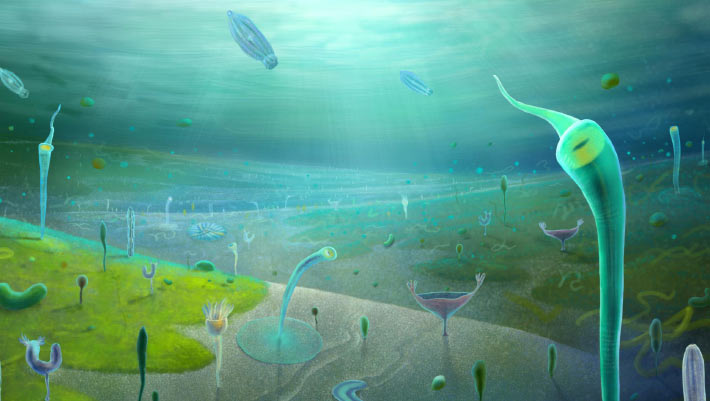
Ancient Seafloor Canyons Helped Preserve Some of Earth’s Oldest Animal Fossils, New Study Says

Some of the planet’s earliest complex animals may owe their remarkable preservation to sea levels that fell and then rose by a lot, according to an Adelaide University-led study of rocks in Australia.

Lean: No political lean Fact-focusedCountry: United StatesFunding: CorporateOwner: Independent
Full coverage
Coverage breakdown
Funding
Corporate100%
Countries
United States100%
Media ownership
Independent100%
Avg reliability-
Low-credibility share0%
Fact / opinion1/0
State media0%
More analysis
Truth score: 34 (Weakly supported) Propaganda risk: 0 Trending: Low Sources: 1 Reliability: Not rated Bias severity: 0 Risk: 0Sentiment: 0Sensationalism: 0 Amplification: 0

How we score

Like
Climate
1 source

Who is covering this

ABC News (Australia)Center
Truth score 45
Centre 100%100%
ABC News (Australia)Center

Ocean that once covered Flinders Ranges preserved Earth's earliest life

Ancient sea level changes led to the preservation of some of the Earth's earliest complex life forms, according to new research that mapped the Flinders Ranges.

Lean: Center Fact-focusedFactuality: Very highCountry: AustraliaFunding: Public broadcasterOwner: Australian Government
Full coverage
Coverage breakdown
Funding
Public broadcaster100%
Countries
Australia100%
Media ownership
Australian Government100%
Avg reliability86
Low-credibility share0%
Fact / opinion1/0
State media0%
More analysis
Truth score: 45 (Limited corroboration) Propaganda risk: 0 Trending: Low Sources: 1 Reliability: 86 Bias severity: 0 Risk: 0Sentiment: 0Sensationalism: 0 Amplification: 0

How we score

Like