INDBInternet News Database 2.5 Updated just now · 297 sources Show or hide images Light or dark

Results for “Bacterial Priority Pathogens List”

Science
1 source

Who is covering this

PhysCenter
Truth score 38
Centre 100%100%
PhysCenter

How a multidrug-resistant bacterial clone emerged, evolved and disappeared in a hospital

Vancomycin-resistant Enterococcus faecium is listed by the World Health Organization as one of the highest-priority bacteria in its 2024 Bacterial Priority Pathogens List, ahead of MRSA, due to its ability to transfer resistance genes...

Lean: Center Fact-focusedFactuality: Mostly factualCountry: United StatesFunding: CorporateOwner: Independent
Full coverage
Coverage breakdown
Funding
Corporate100%
Countries
United States100%
Media ownership
Independent100%
Avg reliability65
Low-credibility share0%
Fact / opinion1/0
State media0%
More analysis
Truth score: 38 (Weakly supported) Propaganda risk: 0 Trending: Low Sources: 1 Reliability: 65 Bias severity: 0 Risk: 0Sentiment: 0Sensationalism: 0 Amplification: 0

How we score

Like
World
1 source

Who is covering this

The Epoch TimesRight
Truth score 17Factuality: Low
Right 100%100%
The Epoch TimesRight

Health Canada Warns of Bacterial Contamination in China-Made Injectable Drugs

Low reliability sourceElevated risk

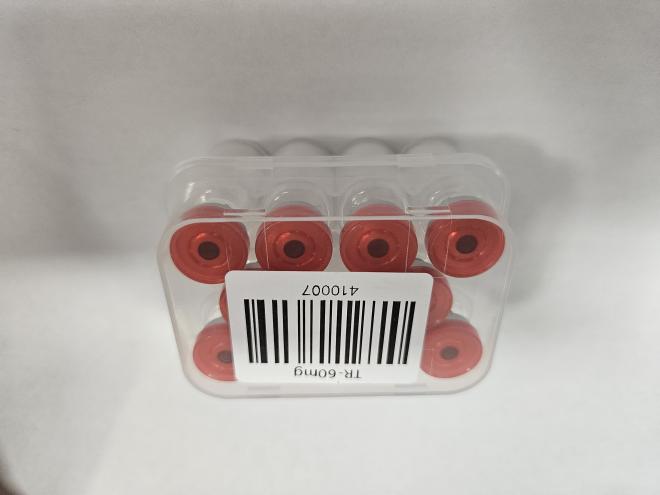
Health Canada is warning people about using certain peptides since they can be contaminated with bacteria, on Nov. 9, 2026. This photo shows peptide vials of 60 milligrams. (Photo courtesy Health Canada)

Lean: Right Fact-focusedFactuality: LowCountry: United StatesFunding: PrivateOwner: Epoch Media Group
Full coverage
Coverage breakdown
Funding
Private100%
Countries
United States100%
Media ownership
Epoch Media Group100%
Avg reliability35
Low-credibility share100%
Fact / opinion1/0
State media0%
More analysis
Truth score: 17 (Weakly supported) Propaganda risk: 0 Trending: Low Sources: 1 Reliability: 35 Bias severity: 0 Risk: 100Sentiment: -100Sensationalism: 0 Amplification: 0

How we score

Like
Science
1 source

Who is covering this

PhysCenter
Truth score 38
Centre 100%100%
PhysCenter

Microbiome research reveals how bacterial lipids influence liver and muscle health in mice

An interdisciplinary team of researchers from UConn and the University of Pittsburgh is filling knowledge gaps about the surprising roles that our microbiomes play in our health. The team's recent studies, published in Gastro Hep...

Lean: Center Fact-focusedFactuality: Mostly factualCountry: United StatesFunding: CorporateOwner: Independent
Full coverage
Coverage breakdown
Funding
Corporate100%
Countries
United States100%
Media ownership
Independent100%
Avg reliability65
Low-credibility share0%
Fact / opinion1/0
State media0%
More analysis
Truth score: 38 (Weakly supported) Propaganda risk: 0 Trending: Low Sources: 1 Reliability: 65 Bias severity: 0 Risk: 0Sentiment: 0Sensationalism: 0 Amplification: 0
How we score

Like
Science
1 source

Who is covering this

PhysCenter
Truth score 38
Centre 100%100%
PhysCenter

Parrots' vibrant feathers are surprisingly susceptible to bacterial attack

Flashy birds, from peacocks to parrots, have inspired a long tradition of using animal colors to study evolution. Colorful plumage often functions as a signal—for example, to attract a mate. Alternatively, drab colors can be used for...

Lean: Center Fact-focusedFactuality: Mostly factualCountry: United StatesFunding: CorporateOwner: Independent
Full coverage
Coverage breakdown
Funding
Corporate100%
Countries
United States100%
Media ownership
Independent100%
Avg reliability65
Low-credibility share0%
Fact / opinion1/0
State media0%
More analysis
Truth score: 38 (Weakly supported) Propaganda risk: 0 Trending: Low Sources: 1 Reliability: 65 Bias severity: 0 Risk: 0Sentiment: -100Sensationalism: 0 Amplification: 0

How we score

Like
Business
1 source

Who is covering this

NewsCenter
Truth score 38
Centre 100%100%
NewsCenter

Mizzou Scientists Edit Rice Genes With AI Tool to Fight Bacterial Blight

Mizzou Scientists Edit Rice Genes With AI Tool to Fight Bacterial Blight Global Agriculture

Lean: Center Fact-focusedFactuality: Mostly factualCountry: IndiaFunding: CorporateOwner: Independent
Full coverage
Coverage breakdown
Funding
Corporate100%
Countries
India100%
Media ownership
Independent100%
Avg reliability65
Low-credibility share0%
Fact / opinion1/0
State media0%
More analysis
Truth score: 38 (Weakly supported) Propaganda risk: 0 Trending: Low Sources: 1 Reliability: 65 Bias severity: 0 Risk: 0Sentiment: 0Sensationalism: 0 Amplification: 0

How we score

Like
Science
1 source

Who is covering this

PhysCenter
Truth score 38
Centre 100%100%
PhysCenter

Molecular structures reveal how a bacteriophage protein inhibits bacterial cell wall synthesis

Drug-resistant bacteria are becoming more common worldwide, posing a major public health challenge. Addressing this problem requires finding new ways to eliminate bacteria, which in turn requires analyzing essential cellular processes...

Lean: Center Fact-focusedFactuality: Mostly factualCountry: United StatesFunding: CorporateOwner: Independent
Full coverage
Coverage breakdown
Funding
Corporate100%
Countries
United States100%
Media ownership
Independent100%
Avg reliability65
Low-credibility share0%
Fact / opinion1/0
State media0%
More analysis
Truth score: 38 (Weakly supported) Propaganda risk: 0 Trending: Low Sources: 1 Reliability: 65 Bias severity: 0 Risk: 0Sentiment: 0Sensationalism: 0 Amplification: 0

How we score

Like
Science
1 source

Who is covering this

PhysCenter
Truth score 38
Centre 100%100%
PhysCenter

Breeding advance could help protect East African rice harvests from bacterial blight

The rice disease bacterial leaf blight (for short: BB) is causing significant yield losses in Asia and Africa. It is triggered by the bacterium Xanthomonas oryzae pv. oryzae (Xoo), which has many distinct regional strains on various continents.

Lean: Center Fact-focusedFactuality: Mostly factualCountry: United StatesFunding: CorporateOwner: Independent
Full coverage
Coverage breakdown
Funding
Corporate100%
Countries
United States100%
Media ownership
Independent100%
Avg reliability65
Low-credibility share0%
Fact / opinion1/0
State media0%
More analysis
Truth score: 38 (Weakly supported) Propaganda risk: 0 Trending: Low Sources: 1 Reliability: 65 Bias severity: 0 Risk: 0Sentiment: -100Sensationalism: 0 Amplification: 0

How we score

Like
Science
1 source

Who is covering this

PhysCenter
Truth score 38
Centre 100%100%
PhysCenter

Industrialization reshapes gut microbes, from bacterial communities to their DNA, studies find

The totality of bacteria, viruses and fungi that exist in and on a multicellular organism forms its natural microbiome. The interactions between the body and these microorganisms significantly influence the host organism's functions and...

Lean: Center Fact-focusedFactuality: Mostly factualCountry: United StatesFunding: CorporateOwner: Independent
Full coverage
Coverage breakdown
Funding
Corporate100%
Countries
United States100%
Media ownership
Independent100%
Avg reliability65
Low-credibility share0%
Fact / opinion1/0
State media0%
More analysis
Truth score: 38 (Weakly supported) Propaganda risk: 0 Trending: Low Sources: 1 Reliability: 65 Bias severity: 0 Risk: 0Sentiment: 0Sensationalism: 0 Amplification: 0

How we score

Like
Science
1 source

Who is covering this

PhysCenter
Truth score 38
Centre 100%100%
PhysCenter

Purple bacteria turn CO₂ and other industrial waste products into valuable supplement ingredients

Scientists are always on the lookout for more efficient ways to make useful products and ingredients. Now, researchers from the University of Valladolid in Spain have successfully used a type of purple bacteria to make CoQ10 and...

Lean: Center Fact-focusedFactuality: Mostly factualCountry: United StatesFunding: CorporateOwner: Independent
Full coverage
Coverage breakdown
Funding
Corporate100%
Countries
United States100%
Media ownership
Independent100%
Avg reliability65
Low-credibility share0%
Fact / opinion1/0
State media0%
More analysis
Truth score: 38 (Weakly supported) Propaganda risk: 0 Trending: Low Sources: 1 Reliability: 65 Bias severity: 0 Risk: 0Sentiment: 0Sensationalism: 0 Amplification: 0

How we score

Like
Science
1 source

Who is covering this

PhysCenter
Truth score 38
Centre 100%100%
PhysCenter

How bacteria build the molecular bushing of the flagellar motor

The bacterial flagellum is a motility organelle that enables bacteria to swim and is composed of more than 30 different proteins. Researchers have long sought to understand how this complex nanomachine self-assembles from many parts in...

Lean: Center Fact-focusedFactuality: Mostly factualCountry: United StatesFunding: CorporateOwner: Independent
Full coverage
Coverage breakdown
Funding
Corporate100%
Countries
United States100%
Media ownership
Independent100%
Avg reliability65
Low-credibility share0%
Fact / opinion1/0
State media0%
More analysis
Truth score: 38 (Weakly supported) Propaganda risk: 0 Trending: Low Sources: 1 Reliability: 65 Bias severity: 0 Risk: 0Sentiment: 0Sensationalism: 0 Amplification: 0

How we score

Like
Science
1 source

Who is covering this

PhysCenter
Truth score 38
Centre 100%100%
PhysCenter

Zombie bacteria keep building DNA after death

Researchers at Aarhus University have discovered that bacteria can continue producing DNA after they die. And they have found a way to control what gets produced. The discovery could eventually contribute to the development of new...

Lean: Center Fact-focusedFactuality: Mostly factualCountry: United StatesFunding: CorporateOwner: Independent
Full coverage
Coverage breakdown
Funding
Corporate100%
Countries
United States100%
Media ownership
Independent100%
Avg reliability65
Low-credibility share0%
Fact / opinion1/0
State media0%
More analysis
Truth score: 38 (Weakly supported) Propaganda risk: 0 Trending: Low Sources: 1 Reliability: 65 Bias severity: 0 Risk: 0Sentiment: -100Sensationalism: 0 Amplification: 0

How we score

Like
Science
1 source

Who is covering this

PhysCenter
Truth score 38
Centre 100%100%
PhysCenter

Hidden 'master switch' allows bacteria to breach the body's defenses

Researchers at Penn Dental Medicine have uncovered a previously unknown molecular mechanism by which bacteria rapidly compromise the body's protective barriers, a finding that could reshape how scientists approach a wide range of...

Lean: Center Fact-focusedFactuality: Mostly factualCountry: United StatesFunding: CorporateOwner: Independent
Full coverage
Coverage breakdown
Funding
Corporate100%
Countries
United States100%
Media ownership
Independent100%
Avg reliability65
Low-credibility share0%
Fact / opinion1/0
State media0%
More analysis
Truth score: 38 (Weakly supported) Propaganda risk: 0 Trending: Low Sources: 1 Reliability: 65 Bias severity: 0 Risk: 0Sentiment: 0Sensationalism: 0 Amplification: 0

How we score

Like
Science
1 source

Who is covering this

PhysCenter
Truth score 38
Centre 100%100%
PhysCenter

Poles of bacteria imaged in fine detail for the first time

The poles, or ends, of rod-shaped bacteria have been imaged at molecular resolution for the first time in a new study led by UCL (University College London) researchers. The study, published in the journal Nature Communications, used a...

Lean: Center Fact-focusedFactuality: Mostly factualCountry: United StatesFunding: CorporateOwner: Independent
Full coverage
Coverage breakdown
Funding
Corporate100%
Countries
United States100%
Media ownership
Independent100%
Avg reliability65
Low-credibility share0%
Fact / opinion1/0
State media0%
More analysis
Truth score: 38 (Weakly supported) Propaganda risk: 0 Trending: Low Sources: 1 Reliability: 65 Bias severity: 0 Risk: 0Sentiment: 0Sensationalism: 0 Amplification: 0

How we score

Like
Science
1 source

Who is covering this

PhysCenter
Truth score 38
Centre 100%100%
PhysCenter

Study finds links between bacteria in wastewater and chronic disease

Bacteria found in wastewater may provide clues about community health, including rates of chronic disease, health behaviors and social conditions, according to a recent study from The Ohio State University.

Lean: Center Fact-focusedFactuality: Mostly factualCountry: United StatesFunding: CorporateOwner: Independent
Full coverage
Coverage breakdown
Funding
Corporate100%
Countries
United States100%
Media ownership
Independent100%
Avg reliability65
Low-credibility share0%
Fact / opinion1/0
State media0%
More analysis
Truth score: 38 (Weakly supported) Propaganda risk: 0 Trending: Low Sources: 1 Reliability: 65 Bias severity: 0 Risk: 0Sentiment: 0Sensationalism: 0 Amplification: 0

How we score

Like
1 source

Who is covering this

Global NewsCenter
Truth score 41
Centre 100%100%
Global NewsCenter

Health Canada warns of bacteria found in unauthorized peptides sold online

In Canada, injectable peptides are generally regulated as prescription drugs, which are advised to be used under the case of a licensed healthcare professional.

Lean: Center Fact-focusedFactuality: HighCountry: CanadaFunding: CorporateOwner: Corus Entertainment
Full coverage
Coverage breakdown
Funding
Corporate100%
Countries
Canada100%
Media ownership
Corus Entertainment100%
Avg reliability75
Low-credibility share0%
Fact / opinion1/0
State media0%
More analysis
Truth score: 41 (Limited corroboration) Propaganda risk: 0 Trending: Low Sources: 1 Reliability: 75 Bias severity: 0 Risk: 0Sentiment: -100Sensationalism: 0 Amplification: 0

How we score

Like
Science
1 source
Truth score 34
No rated outlets yet
Discover Top StoriesNo political lean

What Our Gut Bacteria Eat May Influence How Well Cancer Immunotherapy Works

Learn why certain “unhealthy” diets seemed to boost cancer immunotherapy in mice and how it’s related to the gut microbiome.

Lean: No political lean Fact-focusedCountry: United StatesFunding: CorporateOwner: Independent
Full coverage
Coverage breakdown
Funding
Corporate100%
Countries
United States100%
Media ownership
Independent100%
Avg reliability-
Low-credibility share0%
Fact / opinion1/0
State media0%
More analysis
Truth score: 34 (Weakly supported) Propaganda risk: 0 Trending: Low Sources: 1 Reliability: Not rated Bias severity: 0 Risk: 0Sentiment: 100Sensationalism: 0 Amplification: 0

How we score

Like
Science
1 source

Who is covering this

PhysCenter
Truth score 38
Centre 100%100%
PhysCenter

Sea pigs from the abyss host unusual bacteria

In the deep ocean, translucent sea pigs trundle across the seafloor. Researchers at the University of Tokyo have discovered an unusual bacterium beneath the sea pig's "skin." Through fluorescent imaging, they determined the location of...

Lean: Center Fact-focusedFactuality: Mostly factualCountry: United StatesFunding: CorporateOwner: Independent
Full coverage
Coverage breakdown
Funding
Corporate100%
Countries
United States100%
Media ownership
Independent100%
Avg reliability65
Low-credibility share0%
Fact / opinion1/0
State media0%
More analysis
Truth score: 38 (Weakly supported) Propaganda risk: 0 Trending: Low Sources: 1 Reliability: 65 Bias severity: 0 Risk: 0Sentiment: 0Sensationalism: 0 Amplification: 0

How we score

Like
Technology
1 source

Who is covering this

CNETCenter
Truth score 41
Centre 100%100%
CNETCenter

Scientists Build Biocomputer That Runs on Bacteria to Solve Hard Problems

The study relied on the bacterium E. coli and V. natriegens to run the calculations.

Lean: Center Fact-focusedFactuality: HighCountry: United StatesFunding: CorporateOwner: Red Ventures
Full coverage
Coverage breakdown
Funding
Corporate100%
Countries
United States100%
Media ownership
Red Ventures100%
Avg reliability75
Low-credibility share0%
Fact / opinion1/0
State media0%
More analysis
Truth score: 41 (Limited corroboration) Propaganda risk: 0 Trending: Low Sources: 1 Reliability: 75 Bias severity: 0 Risk: 0Sentiment: 0Sensationalism: 0 Amplification: 0

How we score

Like
Science
1 source

Who is covering this

PhysCenter
Truth score 38
Centre 100%100%
PhysCenter

A type of Arctic Ocean bacteria may be using acetone to turn carbon into food

A newly identified Arctic Ocean bacterium may have an unusual way of making the building blocks it needs to grow. Using acetone, a common chemical in seawater, the bacteria incorporate carbon dioxide (CO₂) into their metabolisms,...

Lean: Center Fact-focusedFactuality: Mostly factualCountry: United StatesFunding: CorporateOwner: Independent
Full coverage
Coverage breakdown
Funding
Corporate100%
Countries
United States100%
Media ownership
Independent100%
Avg reliability65
Low-credibility share0%
Fact / opinion1/0
State media0%
More analysis
Truth score: 38 (Weakly supported) Propaganda risk: 0 Trending: Low Sources: 1 Reliability: 65 Bias severity: 0 Risk: 0Sentiment: 0Sensationalism: 0 Amplification: 0

How we score

Like
Science
1 source

Who is covering this

PhysCenter
Truth score 38
Centre 100%100%
PhysCenter

Study reveals how coral-associated bacteria help corals survive extreme heat

A new study from NYU Abu Dhabi has revealed how coral-associated bacteria help corals withstand extreme heat by producing steroid hormones that strengthen their immune response.

Lean: Center Fact-focusedFactuality: Mostly factualCountry: United StatesFunding: CorporateOwner: Independent
Full coverage
Coverage breakdown
Funding
Corporate100%
Countries
United States100%
Media ownership
Independent100%
Avg reliability65
Low-credibility share0%
Fact / opinion1/0
State media0%
More analysis
Truth score: 38 (Weakly supported) Propaganda risk: 0 Trending: Low Sources: 1 Reliability: 65 Bias severity: 0 Risk: 0Sentiment: 0Sensationalism: 0 Amplification: 0

How we score

Like
Science
1 source

Who is covering this

PhysCenter
Truth score 38
Centre 100%100%
PhysCenter

New AI tool helps scientists identify bacteria hidden in soil

A handful of soil holds a crowded world of bacteria, fungi and other organisms. Scientists can collect their DNA, but much of it remains difficult to identify. Now, researchers at the Hebrew University of Jerusalem and partner...

Lean: Center Fact-focusedFactuality: Mostly factualCountry: United StatesFunding: CorporateOwner: Independent
Full coverage
Coverage breakdown
Funding
Corporate100%
Countries
United States100%
Media ownership
Independent100%
Avg reliability65
Low-credibility share0%
Fact / opinion1/0
State media0%
More analysis
Truth score: 38 (Weakly supported) Propaganda risk: 0 Trending: Low Sources: 1 Reliability: 65 Bias severity: 0 Risk: 0Sentiment: 0Sensationalism: 0 Amplification: 0

How we score

Like
Science
1 source

Who is covering this

PhysCenter
Truth score 38
Centre 100%100%
PhysCenter

Evolutionary changes in key enzyme may help bacteria make proteins faster

Evolutionary changes in a key protein synthesis enzyme, isoleucyl-tRNA synthetase (IleRS), may help bacteria fine-tune how quickly proteins are made, report researchers from Institute of Science Tokyo, Japan; the University of Zagreb...

Lean: Center Fact-focusedFactuality: Mostly factualCountry: United StatesFunding: CorporateOwner: Independent
Full coverage
Coverage breakdown
Funding
Corporate100%
Countries
United States100%
Media ownership
Independent100%
Avg reliability65
Low-credibility share0%
Fact / opinion1/0
State media0%
More analysis
Truth score: 38 (Weakly supported) Propaganda risk: 0 Trending: Low Sources: 1 Reliability: 65 Bias severity: 0 Risk: 0Sentiment: 0Sensationalism: 0 Amplification: 0

How we score

Like
2 sources
Truth score 57
Left 50%50%Centre 50%50%
ABC News (US)Leans left

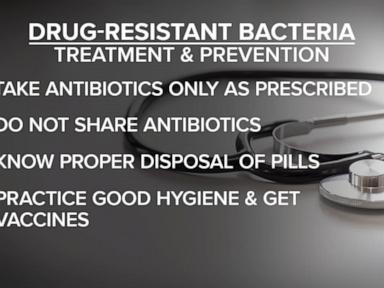
CDC report warns of 'urgent' threat of drug-resistant bacteria

ABC News contributor Dr. Alok Patel explains the report and what people can do for treatment and prevention.

Lean: Leans left Fact-focusedFactuality: HighCountry: United StatesFunding: CorporateOwner: Walt Disney Company
Full coverage
Coverage breakdown
Funding
Corporate100%
Countries
United States100%
Media ownership
Walt Disney Company50%
Google News50%
Avg reliability78
Low-credibility share0%
Fact / opinion2/0
State media0%
More analysis
Truth score: 57 (Limited corroboration) Propaganda risk: 0 Trending: Low Sources: 2 Reliability: 78 Bias severity: 0 Risk: 0Sentiment: -100Sensationalism: 4 Amplification: 0

How we score

Like
Science
1 source

Who is covering this

PhysCenter
Truth score 38
Centre 100%100%
PhysCenter

Fruit fly sleep protein yields peptides that inhibit drug-resistant bacteria in lab tests

Researchers at University of Tsukuba and collaborating institutions have identified short antimicrobial peptides derived from Nemuri, a sleep-inducing protein in the fruit fly Drosophila melanogaster. The research is published in the...

Lean: Center Fact-focusedFactuality: Mostly factualCountry: United StatesFunding: CorporateOwner: Independent
Full coverage
Coverage breakdown
Funding
Corporate100%
Countries
United States100%
Media ownership
Independent100%
Avg reliability65
Low-credibility share0%
Fact / opinion1/0
State media0%
More analysis
Truth score: 38 (Weakly supported) Propaganda risk: 0 Trending: Low Sources: 1 Reliability: 65 Bias severity: 0 Risk: 0Sentiment: 0Sensationalism: 0 Amplification: 0
How we score

Like
Technology
1 source

Who is covering this

CNETCenter
Truth score 41
Centre 100%100%
CNETCenter

Safer Water at Home: New Water Heater Tech Aims to Kill Bacteria in the Tank

I asked the inventor about his design and when consumers might see the tech in their homes.

Lean: Center Fact-focusedFactuality: HighCountry: United StatesFunding: CorporateOwner: Red Ventures
Full coverage
Coverage breakdown
Funding
Corporate100%
Countries
United States100%
Media ownership
Red Ventures100%
Avg reliability75
Low-credibility share0%
Fact / opinion1/0
State media0%
More analysis
Truth score: 41 (Limited corroboration) Propaganda risk: 0 Trending: Low Sources: 1 Reliability: 75 Bias severity: 0 Risk: 0Sentiment: 0Sensationalism: 0 Amplification: 0

How we score

Like
Science
1 source

Who is covering this

LiveCenter
Truth score 41
Centre 100%100%
LiveCenter

This self-powered toothbrush makes electricity to kill cavity-causing bacteria

Researchers have created a self-charging toothbrush that helps fight the bacteria linked to cavities and gum disease while preventing plaque buildup.

Lean: Center Fact-focusedFactuality: HighCountry: United StatesFunding: CorporateOwner: Future US
Full coverage
Coverage breakdown
Funding
Corporate100%
Countries
United States100%
Media ownership
Future US100%
Avg reliability75
Low-credibility share0%
Fact / opinion1/0
State media0%
More analysis
Truth score: 41 (Limited corroboration) Propaganda risk: 0 Trending: Low Sources: 1 Reliability: 75 Bias severity: 0 Risk: 0Sentiment: 0Sensationalism: 0 Amplification: 0

How we score

Like
Science
1 source

Who is covering this

PhysCenter
Truth score 38
Centre 100%100%
PhysCenter

How the nasal microbiome can help potentially harmful bacteria thrive

Our noses are home to many different species of bacteria living side by side. One of them may be S. aureus. Many people carry this bacterium without knowing it, although it can cause serious infections. Why S. aureus colonizes some...

Lean: Center Fact-focusedFactuality: Mostly factualCountry: United StatesFunding: CorporateOwner: Independent
Full coverage
Coverage breakdown
Funding
Corporate100%
Countries
United States100%
Media ownership
Independent100%
Avg reliability65
Low-credibility share0%
Fact / opinion1/0
State media0%
More analysis
Truth score: 38 (Weakly supported) Propaganda risk: 0 Trending: Low Sources: 1 Reliability: 65 Bias severity: 0 Risk: 0Sentiment: 0Sensationalism: 0 Amplification: 0

How we score

Like
Science
1 source

Who is covering this

PhysCenter
Truth score 38
Centre 100%100%
PhysCenter

Single-copy genes can be used as markers to distinguish between bacteria in the same family

The more than 100 bacterial species of the genus Vibrio are important in marine ecosystems because they contribute to the carbon cycle and other ecological processes, but they can also be significant pathogens for both humans (they can...

Lean: Center Fact-focusedFactuality: Mostly factualCountry: United StatesFunding: CorporateOwner: Independent
Full coverage
Coverage breakdown
Funding
Corporate100%
Countries
United States100%
Media ownership
Independent100%
Avg reliability65
Low-credibility share0%
Fact / opinion1/0
State media0%
More analysis
Truth score: 38 (Weakly supported) Propaganda risk: 0 Trending: Low Sources: 1 Reliability: 65 Bias severity: 0 Risk: 0Sentiment: 0Sensationalism: 0 Amplification: 0
How we score

Like
Health
1 source

Who is covering this

The HinduLeans left
Truth score 43
Left 100%100%
The HinduLeans left

Study in Keralam sheds light on link between gut bacteria, Parkinson’s disease

Researchers from CUSAT and SCTIMST, Thiruvananthapuram, find significant differences between gut bacteria of Parkinson’s patients and those of healthy individuals

Lean: Leans left Fact-focusedFactuality: HighCountry: IndiaFunding: PrivateOwner: The Hindu Group
Full coverage
Coverage breakdown
Funding
Private100%
Countries
India100%
Media ownership
The Hindu Group100%
Avg reliability80
Low-credibility share0%
Fact / opinion1/0
State media0%
More analysis
Truth score: 43 (Limited corroboration) Propaganda risk: 0 Trending: Low Sources: 1 Reliability: 80 Bias severity: 0 Risk: 0Sentiment: 0Sensationalism: 0 Amplification: 0

How we score

Like
Health
1 source

Who is covering this

Daily MailCenter
Truth score 37
Centre 100%100%
Daily MailCenter

California pumpkin patch closes after five visitors are sickened with potentially deadly bacteria E. coli

A popular farm in San Luis Obispo has closed after state health officials confirmed five cases of Shiga toxin-producing E. coli potentially linked to the location.

Lean: Center Fact-focusedFactuality: Mostly factualCountry: United KingdomFunding: CorporateOwner: DMGT
Full coverage
Coverage breakdown
Funding
Corporate100%
Countries
United Kingdom100%
Media ownership
DMGT100%
Avg reliability63
Low-credibility share0%
Fact / opinion1/0
State media0%
More analysis
Truth score: 37 (Weakly supported) Propaganda risk: 0 Trending: Low Sources: 1 Reliability: 63 Bias severity: 0 Risk: 0Sentiment: 0Sensationalism: 0 Amplification: 0

How we score

Like